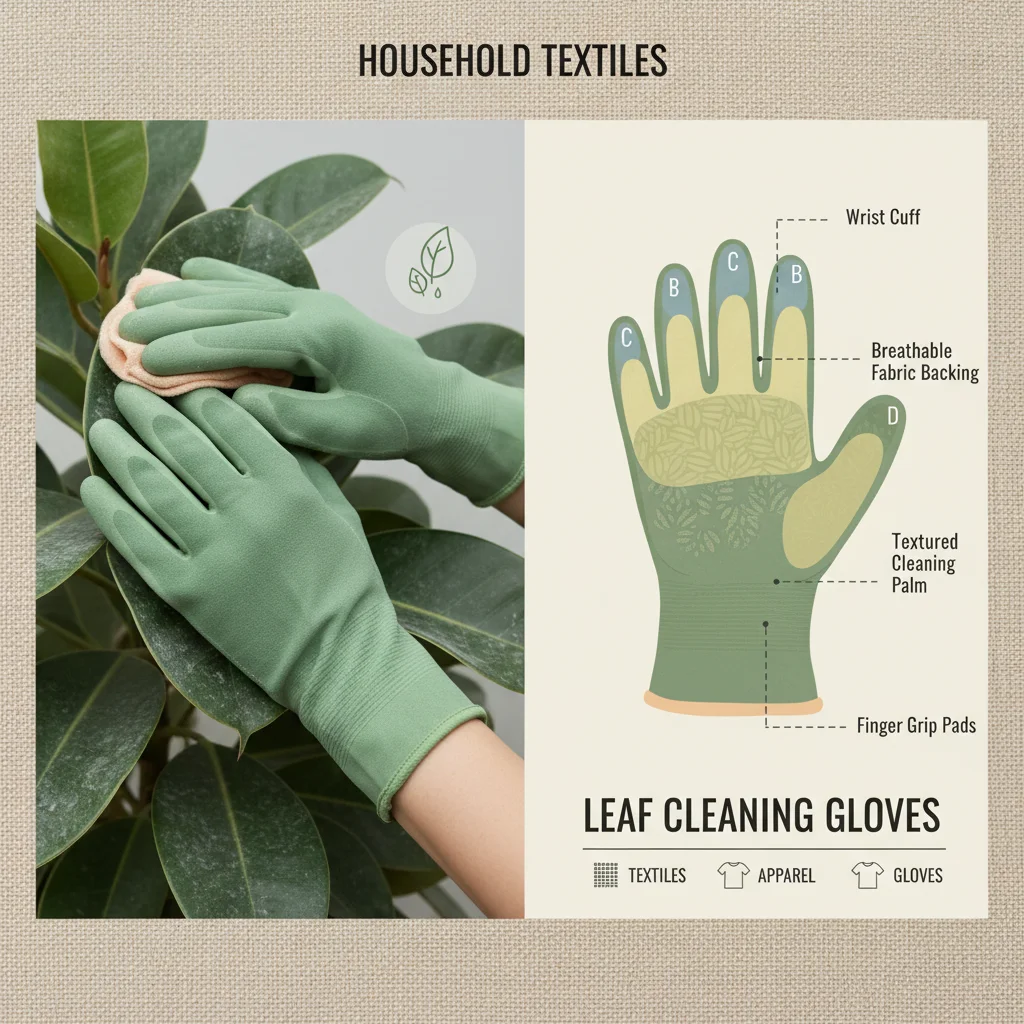
The Indispensable Role of Heavy Duty Gloves for Cleaning: Protecting Your Most Valuable Tools
In the demanding world of professional cleaning, where abrasive chemicals, sharp objects, and prolonged moisture exposure are daily realities, the importance of robust hand protection cannot be overstated. Far from being a mere accessory, a pair of heavy duty gloves for cleaning represents a fundamental piece of personal protective equipment (PPE) essential for maintaining worker safety, operational efficiency, and long-term health. These are not your average household gloves; they are engineered with specific challenges in mind, offering superior resistance against a spectrum of hazards. From harsh detergents that can strip skin of its natural oils and cause dermatitis, to accidental nicks and cuts from broken glass or jagged edges, to thermal injuries from hot water or steam, the risks are pervasive. Investing in the right kind of hand protection is not just about compliance; it's about safeguarding the health and productivity of the workforce, ensuring that hands—the primary tools of the trade—remain resilient and capable. This foundational layer of defense prevents injuries that can lead to costly downtime, medical expenses, and decreased morale, highlighting their critical role in any rigorous cleaning regimen. Without them, even the most meticulous cleaning protocols can falter due to preventable hand injuries, underscoring their irreplaceable value in a sector where hands are constantly at the forefront of action.
Understanding the Hidden Costs: The Data Behind Inadequate Hand Protection
The true cost of neglecting proper hand protection extends far beyond the immediate discomfort or minor injury; it infiltrates operational budgets and impacts employee well-being significantly. According to the Bureau of Labor Statistics (BLS), hand injuries are among the most common workplace injuries, accounting for approximately 25% of all occupational incidents. A study by the National Safety Council (NSC) revealed that the average direct cost of a single hand injury resulting in lost work time can exceed $22,000, with indirect costs potentially tripling that figure when factors like reduced productivity, administrative overhead, and training for replacement workers are considered. Imagine a cleaning crew member suffering from severe chemical burns due to thin, inadequate gloves. This incident not only necessitates immediate medical attention and potential lost workdays, but it also triggers an investigation, impacts insurance premiums, and can even lead to litigation. Furthermore, chronic exposure to irritants without proper barriers can lead to debilitating conditions such as contact dermatitis, eczema, and sensitization, which might not manifest as acute injuries but lead to long-term health issues and reduced quality of life for workers. The cumulative effect of these seemingly minor issues can drastically erode profitability and foster an environment of distrust and insecurity among employees. Effective hand protection, therefore, translates directly into tangible savings and a healthier, more productive workforce. By mitigating these preventable injuries, businesses can achieve a significant return on investment, not just in terms of financial savings but also in employee retention and a stronger safety culture, fostering a sustainable and resilient operation.
The Engineering of Resilience: Key Technical Advantages of Superior Cleaning Gloves
What sets a truly superior cleaning glove apart from its less robust counterparts? The answer lies in a meticulous blend of material science, ergonomic design, and advanced manufacturing processes. Material composition is paramount: high-grade nitriles offer exceptional resistance to punctures, abrasions, and a wide array of industrial solvents and caustic chemicals, making them ideal for heavy-duty tasks. Latex, while offering excellent dexterity and tactile sensitivity, might be avoided due to allergy concerns and lesser chemical resistance compared to nitrile. Neoprene blends provide a good balance, offering both chemical resistance and thermal protection, crucial when dealing with hot water or steam. Polyvinyl chloride (PVC) gloves excel in handling oils, greases, and certain acids. Thickness and multi-layer construction are also critical; while a thicker glove generally means more protection, it must not compromise dexterity significantly. Many advanced gloves feature multi-layer designs where different polymers are combined to achieve a synergistic effect, enhancing overall durability and protective qualities without excessive bulk. For instance, an outer layer for chemical splash resistance, a middle layer for puncture resistance, and an inner flock-lined layer for comfort and moisture absorption. Grip technology is another vital aspect, with embossed patterns, textured finishes, and even specialized coatings designed to provide secure handling of wet or slippery objects, reducing the risk of accidents. Furthermore, features like extended cuffs offer increased forearm protection against splashes and immersion, while anatomically correct designs reduce hand fatigue during prolonged use. These technical advantages collectively transform a simple glove into a sophisticated piece of protective equipment, ensuring maximum safety and comfort for the user in the most challenging cleaning environments.
Navigating the Market: A Comparative Analysis of Leading Manufacturers
Choosing the right heavy-duty cleaning gloves requires a discerning eye, as the market is flooded with options varying widely in quality, specialized features, and price points. To aid in this selection, a comparative analysis of leading manufacturers can illuminate the strengths and weaknesses of different offerings. We consider factors such as primary material, typical thickness, chemical resistance rating (e.g., against specific acids, bases, solvents), puncture/abrasion resistance, grip enhancement features, and approximate price range. While specific brand names are not listed to maintain neutrality, we can categorize manufacturers by their product focus and general market position:
Feature Category | Manufacturer Type A (Premium Specialist) | Manufacturer Type B (Balanced Performer) | Manufacturer Type C (Cost-Effective Generalist) |
Primary Materials Offered | Advanced Nitrile, Neoprene blends, Multi-layer composites | Standard Nitrile, Latex (allergen-free options), PVC | Latex, Basic Nitrile, Vinyl |
Typical Thickness Range | 22-30 mil (0.55-0.76 mm) | 15-22 mil (0.38-0.55 mm) | 10-15 mil (0.25-0.38 mm) |
Chemical Resistance | Exceptional (broad spectrum, ASTM F739 rated) | Good (resistant to common acids/bases, some solvents) | Moderate (dilute chemicals, household cleaners) |
Puncture/Abrasion Resistance | Very High (ANSI/ISEA 105 Level A4-A6 cut, Level 4-6 abrasion) | High (ANSI/ISEA 105 Level A2-A3 cut, Level 3-4 abrasion) | Moderate (basic protection against minor hazards) |
Grip Enhancement | Proprietary textured patterns (e.g., diamond, fish scale), chemical-resistant coatings | Raised diamond or honeycomb texture | Standard textured fingertips |
Special Features | Ergonomic design, extended cuffs, heat resistance, anti-microbial lining | Flock lining, various cuff lengths, some color-coding options | Basic flock lining, minimal features |
Approx. Price Point (per pair) | $$$ (Premium) | $$ (Mid-range) | $ (Economical) |
Choosing a manufacturer depends heavily on the specific hazards and budgetary constraints of your cleaning operation. While Manufacturer Type A offers unparalleled protection for the most extreme conditions, Type C might suffice for lighter, less hazardous tasks, offering a balance between cost and basic protection. Type B typically represents a robust middle-ground, suitable for a wide range of industrial and commercial cleaning tasks without the premium price tag of highly specialized solutions.
Tailored Protection: Customization Solutions for Diverse Cleaning Environments
Recognizing that "one size fits all" rarely applies to the complexities of industrial and commercial cleaning, many leading manufacturers offer customization solutions to perfectly match gloves with specific environmental demands and user preferences. This tailored approach goes beyond mere sizing to encompass a variety of features designed for optimal performance and safety. For instance, the material blend can be customized: a facility dealing with both strong acids and abrasive surfaces might require a nitrile-neoprene blend with a specific multi-layer construction for enhanced dual protection. Cuff length and design are also highly customizable; extended gauntlet cuffs are crucial for tasks involving deep immersion or high-splash risks, protecting not just hands but also forearms. Conversely, shorter, rolled cuffs might be preferred for tasks requiring minimal splash protection but maximum wrist mobility. Grip patterns and textures can be specified to optimize handling of particular tools or materials – from fine-textured fingertips for intricate tasks to heavy-duty diamond patterns for secure gripping of large, wet objects. Internal lining options include flock lining for comfort and moisture absorption, or silver-lined antimicrobial treatments for hygiene in sensitive environments like healthcare facilities. Furthermore, color coding can be implemented to designate gloves for specific areas or chemicals, preventing cross-contamination and simplifying compliance protocols. For example, red gloves for chemical waste areas, blue for general cleaning, and green for food preparation zones. Even branding with company logos is an option, enhancing professional appearance and promoting safety culture. These customization options ensure that cleaning professionals are equipped with gloves precisely engineered for their unique challenges, optimizing both protection and ergonomic performance, leading to greater efficiency and significantly reduced risk of injury across diverse operational contexts.
Real-World Resilience: Diverse Applications and Case Studies
The true testament to the value of heavy-duty cleaning gloves lies in their widespread application across various sectors, demonstrating their critical role in ensuring safety and efficiency. Consider the following real-world scenarios:
1. Industrial Manufacturing Facilities: In a large automotive plant, cleaning crews routinely handle degreasers, lubricants, and cutting fluids, along with sharp metal shavings. A transition from standard latex gloves to chemical-resistant, puncture-proof nitrile gloves (25 mil thickness, with a textured grip) reduced hand lacerations by 60% and chemical burns by 85% over an 18-month period. This not only saved the company an estimated $150,000 in injury-related costs but also improved worker morale and productivity.
2. Food Processing Plants: Maintaining sterile conditions is paramount, requiring aggressive cleaning protocols involving strong sanitizers and high-temperature water. A seafood processing facility adopted neoprene-blend gloves with an extended thermal-resistant cuff. These gloves allowed workers to safely handle equipment up to 180°F (82°C) while providing superior resistance to fish oils and cleaning detergents. The facility reported a 40% decrease in burn incidents and a significant reduction in skin irritation complaints, enhancing compliance with stringent food safety regulations.
3. Healthcare Institutions: Hospital environmental services teams encounter a vast array of pathogens, bodily fluids, and potent disinfectants. A major urban hospital implemented a color-coded system using robust, medical-grade nitrile gloves (e.g., yellow for biohazard clean-up, blue for general disinfection). This strategy, combined with comprehensive training, led to a 30% drop in reported exposure incidents and improved adherence to infection control protocols. The enhanced chemical resistance also meant gloves lasted 25% longer, providing a tangible cost saving.
4. Hazardous Waste Management: Teams cleaning up chemical spills or processing hazardous waste require the highest level of protection. A specialized waste disposal company utilized multi-layer laminate gloves, engineered to protect against a broad spectrum of highly corrosive chemicals and solvents. These gloves, while more expensive per unit, offered impermeable barriers that prevented any recorded chemical skin absorption incidents during hazardous material handling over a two-year operational period, demonstrating invaluable safety.
These examples underscore that properly selected heavy-duty cleaning gloves are not merely protective gear but strategic tools that contribute directly to a safer, more efficient, and compliant operational environment. Their impact extends beyond individual protection, fostering a culture of safety that benefits the entire organization.
Strategic Investment: The Long-Term Value of Heavy Duty Gloves for Cleaning
Ultimately, the decision to procure high-quality heavy duty gloves for cleaning is a strategic investment rather than a mere expense. While the initial outlay for premium gloves might be higher than for their generic counterparts, the long-term benefits far outweigh these costs. By significantly reducing the incidence of hand injuries – including cuts, abrasions, chemical burns, and chronic skin conditions – organizations mitigate substantial financial burdens associated with medical treatments, lost workdays, worker’s compensation claims, and potential legal fees. Beyond the financial calculus, there’s an intangible but equally vital benefit: enhanced worker morale and confidence. Employees who feel adequately protected are more likely to perform their duties efficiently and safely, leading to higher productivity and lower staff turnover rates. A strong commitment to employee safety also bolsters a company's reputation, attracting and retaining skilled professionals. Furthermore, durable, purpose-built gloves often have a longer service life, reducing the frequency of replacement and the associated procurement efforts and waste. This sustainability aspect not only benefits the environment but also streamlines operational processes. Embracing heavy-duty hand protection is a foundational pillar of a comprehensive safety program, safeguarding both human capital and financial health, ensuring that cleaning operations are not only effective but also safe, sustainable, and economically sound for years to come. It’s an investment in resilience, professionalism, and the well-being of every individual who performs the essential work of cleaning.
Frequently Asked Questions About Heavy Duty Gloves for Cleaning
1. What materials are best for heavy duty cleaning gloves?
The best materials depend on the specific hazards. Nitrile offers excellent chemical and puncture resistance, neoprene provides a balance of chemical and thermal protection, while PVC is ideal for oils, greases, and some acids. Multi-layer composites combine these advantages for ultimate protection.
2. How do I choose the right thickness for heavy duty cleaning gloves?
Thicker gloves (typically 22-30 mil or more) offer greater protection against punctures, abrasions, and strong chemicals, but may slightly reduce dexterity. Thinner gloves (15-22 mil) provide better tactile sensitivity for tasks requiring more precision. Balance protection needs with dexterity requirements.
3. Are heavy duty cleaning gloves reusable? How should they be cared for?
Many heavy duty gloves are designed for repeated use. After each use, they should be thoroughly washed with soap and water (or a mild disinfectant solution, if applicable), rinsed, and air-dried away from direct sunlight or heat. Inspect them regularly for any signs of wear, tears, or chemical degradation before reuse.
4. What are the key features to look for in gloves for chemical cleaning?
Prioritize gloves with high chemical resistance ratings (check ASTM F739 standards for specific chemicals), extended cuffs for splash protection, and robust material composition (e.g., thick nitrile or neoprene). Textured grips are also crucial for safely handling wet or slippery containers.
5. Can heavy duty cleaning gloves protect against cuts and abrasions?
Yes, many heavy duty gloves are engineered with enhanced puncture and abrasion resistance, often complying with ANSI/ISEA 105 standards (e.g., cut resistance levels A4-A6). Look for gloves specifically designed with these features if your cleaning tasks involve sharp objects or rough surfaces.
6. Is there a difference between industrial and household heavy duty cleaning gloves?
Absolutely. Industrial heavy duty gloves are typically made from more robust materials, are significantly thicker, offer superior chemical and physical resistance, and are designed for prolonged exposure to harsher environments and more potent cleaning agents compared to household-grade gloves.
7. How do extended cuffs benefit cleaning professionals?
Extended cuffs provide crucial protection for the forearms against splashes, spills, and accidental immersion in cleaning solutions. This prevents skin irritation, chemical burns, and contamination beyond the hands, which is especially important when reaching into deep sinks, tanks, or working with high-volume liquids.