The Ultimate Guide to Cotton Gloves: Comfort, Protection, and Style
Cotton gloves are among the most versatile and practical types of handwear available today. From industrial applications to casual daily use, these gloves offer a unique combination of comfort, breathability, and durability. Whether you are looking for white cotton gloves for formal or ceremonial purposes, jersey gloves for light-duty work, thin cotton gloves for delicate handling, or string knit gloves for breathable comfort, understanding the different types and their applications is essential.

Understanding the Types and Uses of Cotton Gloves
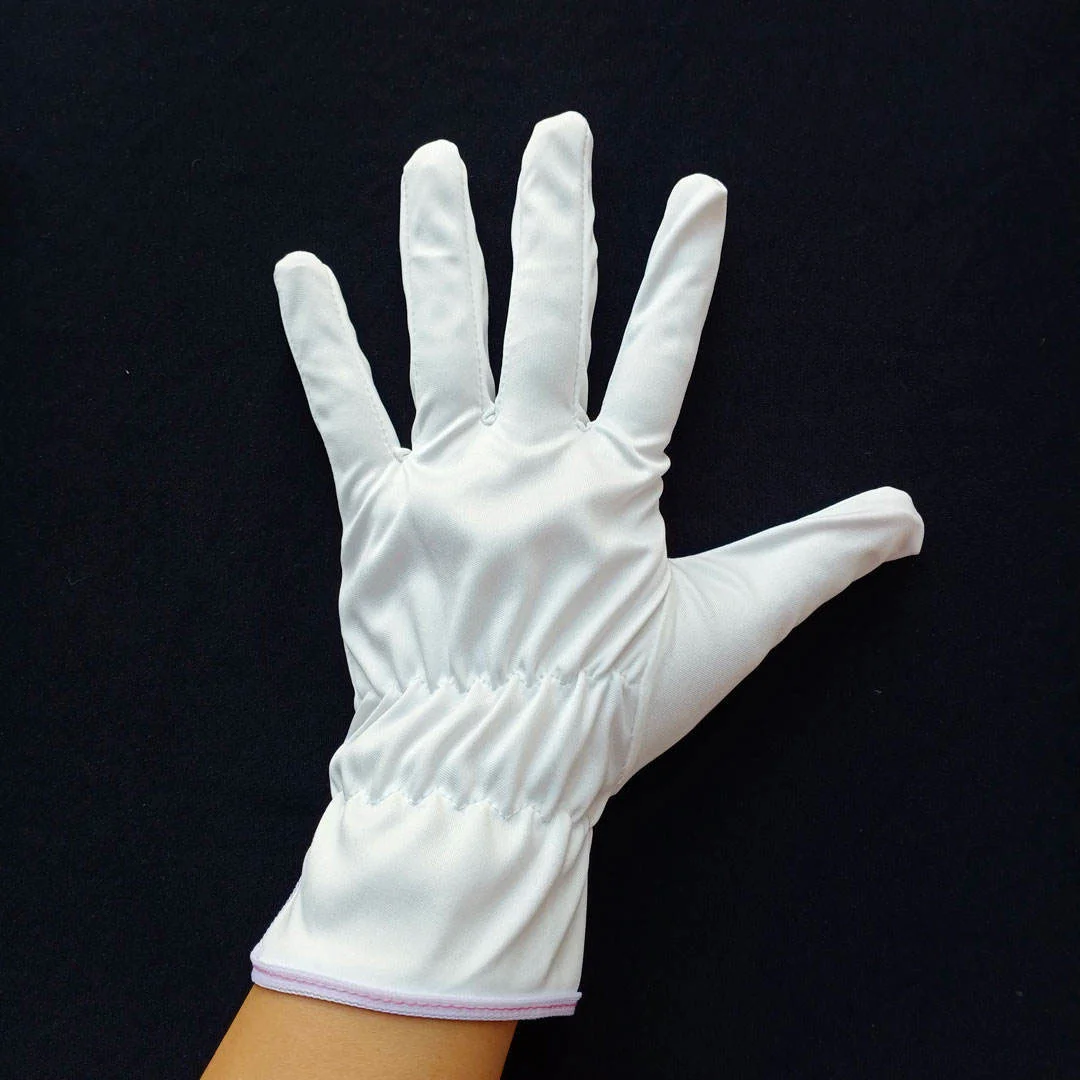
Cotton gloves come in a variety of designs and constructions to suit different needs. One of the most common types is white cotton gloves, which are often used in formal settings, archival work, or quality inspections. These gloves are designed to prevent fingerprints and oils from transferring onto delicate surfaces, making them ideal for handling photographs, artworks, or silverware. Their clean, crisp appearance also makes them suitable for ceremonial or hospitality uses.
Another popular variant is jersey gloves. Made from knitted cotton, jersey gloves are stretchy, soft, and lightweight, providing a snug fit and excellent comfort. These gloves are often used in light assembly work, electronics handling, or general-purpose tasks where dexterity and flexibility are required. The breathable nature of jersey gloves also makes them suitable for long hours of wear without causing hand fatigue.
For tasks that require maximum precision and sensitivity, thin cotton gloves are the preferred choice. These gloves are made from finely woven cotton, allowing for superior tactile feedback. They are commonly used in laboratory environments, inspection tasks, or when handling sensitive machinery or instruments. Thin cotton gloves combine protection with dexterity, making them indispensable in situations where both are necessary.
String knit gloves offer yet another variation. Characterized by their open-knit design, string knit gloves are extremely breathable, lightweight, and flexible. They are often used in warmer environments or for tasks that require repetitive hand movements, as they reduce sweating and improve grip. While not ideal for heavy-duty work, string knit gloves excel in comfort and ease of use, making them suitable for gardening, packaging, and general household tasks.
Benefits of Wearing Cotton Gloves
There are numerous reasons why cotton gloves remain a staple in both professional and casual environments. One of the most significant advantages is comfort. Cotton is a natural fiber that is soft against the skin and highly breathable, reducing sweat and irritation during prolonged wear. This is particularly important for white cotton gloves used in formal or ceremonial settings, where comfort must be paired with a polished appearance.
Another benefit is protection. While cotton gloves are not typically cut-resistant, they do provide a barrier against dust, dirt, minor abrasions, and oils. This makes them ideal for tasks like handling documents, jewelry, or fragile items. Jersey gloves and thin cotton gloves are excellent examples of gloves that combine protection with flexibility, allowing for precise handling without compromising safety.
Durability is another advantage of cotton gloves. With proper care, these gloves can withstand repeated use and washing, making them a cost-effective option. String knit gloves, in particular, offer long-lasting comfort and performance in situations that require repetitive hand movements.
In addition to their practical benefits, cotton gloves also have aesthetic appeal. White cotton gloves, for instance, are associated with elegance and cleanliness, while jersey gloves and string knit gloves provide a casual, approachable look. The versatility of cotton allows these gloves to be used across a wide range of industries and activities, from formal events to light-duty work environments.
Tips for Choosing the Right Cotton Gloves
When selecting the ideal pair of cotton gloves, consider the following factors:
Purpose: Determine whether you need gloves for protection, formal use, or tactile sensitivity. White cotton gloves are perfect for formal or archival tasks, while thin cotton gloves are ideal for precision handling.
Fit: Gloves should fit snugly but not restrict movement. Jersey gloves naturally stretch to provide a comfortable fit, while string knit gloves offer flexibility in sizing.
Thickness: Choose thin cotton gloves for delicate work and thicker cotton gloves for light-duty protection.
Breathability: String knit gloves excel in environments where airflow and reduced sweating are priorities.
Care: Cotton gloves are washable, but it’s important to follow care instructions to maintain their shape and longevity.
By evaluating these factors, you can select the best cotton gloves to match your needs, ensuring comfort, protection, and style in any situation.
Conclusion
From white cotton gloves to jersey gloves, thin cotton gloves, and string knit gloves, cotton gloves offer a unique combination of comfort, protection, and versatility. They are suitable for a wide range of tasks, including formal events, light-duty work, delicate handling, and everyday use. Choosing the right type of cotton gloves ensures both practical functionality and a polished appearance. Whether you need precision, breathability, or elegance, there is a pair of cotton gloves designed to meet your needs, making them an essential accessory in both professional and casual settings.
FAQ
1. What are the benefits of wearing white cotton gloves?
White cotton gloves prevent fingerprints and oils from transferring onto delicate surfaces and are often used in formal, archival, or ceremonial settings.
2. How are jersey gloves different from other cotton gloves?
Jersey gloves are knitted, stretchy, and soft, providing excellent comfort, flexibility, and breathability for light-duty or long-duration tasks.
3. When should thin cotton gloves be used?
Thin cotton gloves are ideal for tasks requiring precision, such as handling delicate instruments, inspection work, or laboratory applications.
4. What are string knit gloves used for?
String knit gloves are breathable, lightweight, and flexible, making them suitable for gardening, packaging, repetitive hand tasks, or warm environments.
5. How do I choose the right cotton gloves for my needs?
Consider purpose, fit, thickness, breathability, and care. Choose white cotton gloves for formal use, thin cotton gloves for precision, and jersey or string knit gloves for comfort and casual tasks.