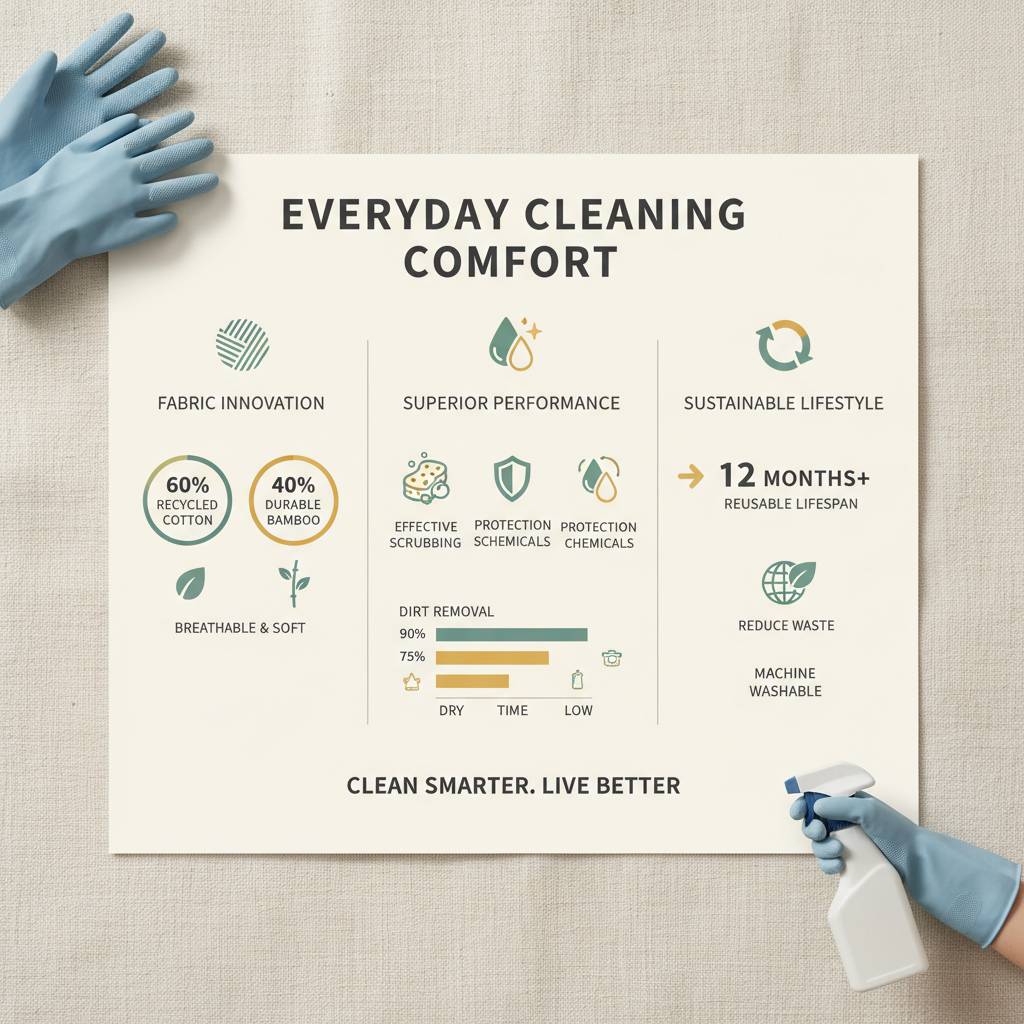
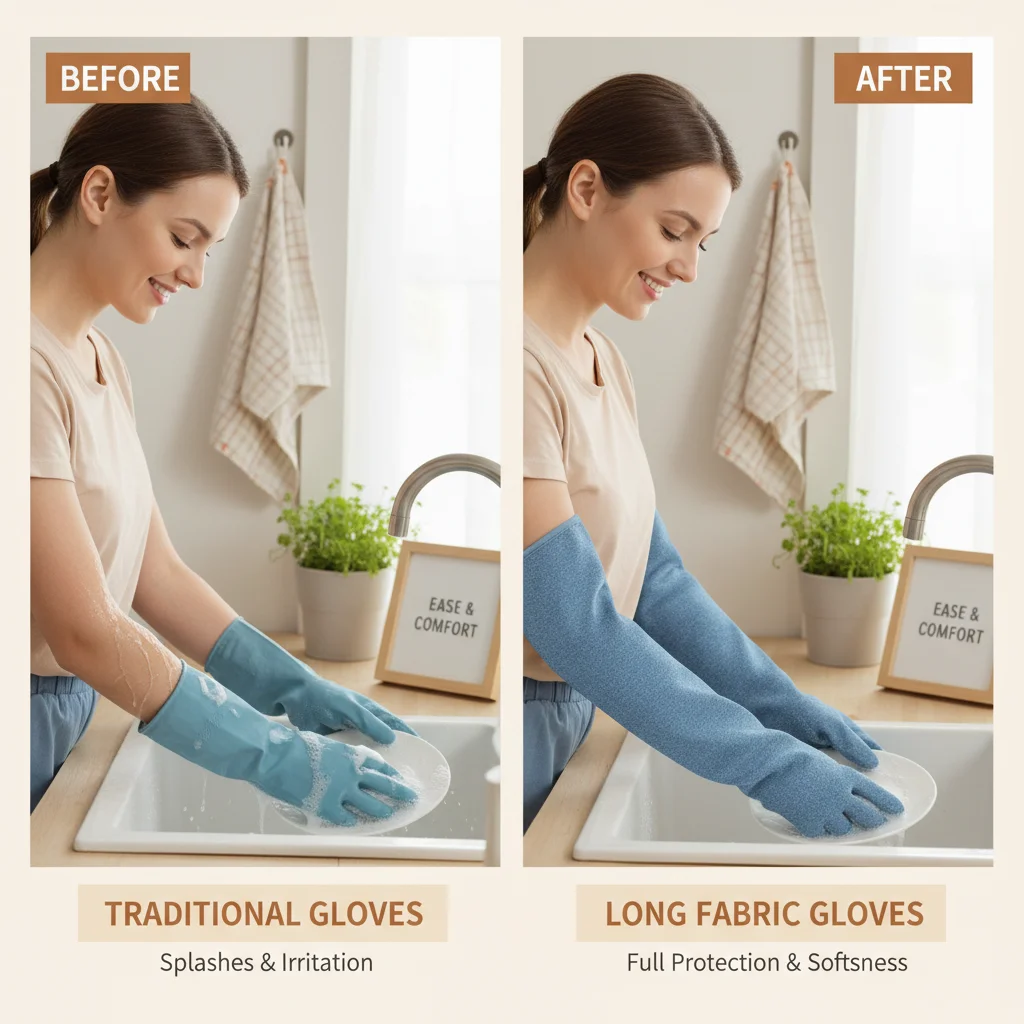
In an era where environmental consciousness is no longer optional but essential, the transition toward sustainable hygiene solutions has become a global priority. Among these, reusable gloves for cleaning represent a critical shift from the "use-and-throw" culture to a circular economy, significantly reducing the volume of non-biodegradable waste entering our landfills and oceans.
Beyond the ecological impact, the adoption of high-quality reusable cleaning gear is driven by a demand for superior protection and long-term cost efficiency. Whether for professional industrial maintenance or domestic upkeep, the right pair of gloves ensures that the user is shielded from harsh chemicals and abrasives while maintaining a tactile sensitivity that disposable alternatives often lack.
Understanding the nuances of material science—from the absorbent properties of white cotton to the scrubbing power of microfiber—allows users to optimize their cleaning workflows. By choosing durable reusable gloves for cleaning, businesses and individuals alike can achieve a higher standard of cleanliness without compromising the health of the planet.

Global Impact and the Shift Toward Reusable Cleaning Gear
The global surge in plastic pollution has pushed international bodies, including the UN Environment Programme, to advocate for the reduction of single-use plastics. In the cleaning sector, the reliance on disposable nitrile or vinyl gloves has contributed millions of tons of waste annually. By transitioning to reusable gloves for cleaning, the industry is aligning itself with ISO 14001 environmental management standards, focusing on life-cycle assessment and waste minimization.
This shift is not merely about ecology; it is a response to the instability of global supply chains. The pandemic-era shortages of disposable PPE highlighted the vulnerability of relying on high-volume, single-use consumables. Reusable alternatives provide a strategic buffer, ensuring that essential cleaning and sanitation tasks can continue without dependence on constant external shipments of disposable plastics.
Defining the Technical Standards of Reusable Gloves
At its core, reusable gloves for cleaning are specialized hand coverings designed for repeated use through a cycle of application, cleaning, and drying. Unlike their disposable counterparts, these gloves are engineered with reinforced materials—such as heavy-duty microfiber, treated cotton, or high-grade polymers—that can withstand repeated exposure to detergents and mechanical friction without degrading.
From a manufacturing perspective, these products must balance permeability and protection. For example, microfiber gloves utilize split-fiber technology to trap microscopic particles, making them ideal for precision cleaning, while white cotton gloves provide a lint-free surface essential for delicate polishing. The "reusability" factor is defined by the material's ability to maintain its structural integrity and hygienic properties after multiple laundry cycles.
In the context of modern industry, these gloves are more than just tools; they are components of a safety ecosystem. They address the humanitarian need for skin protection against corrosive agents while reducing the carbon footprint of the maintenance industry. By integrating ergonomic designs with durable textiles, they bridge the gap between professional-grade utility and environmental responsibility.
Core Components of High-Performance Cleaning Gloves
Durability is the primary benchmark for any reusable gloves for cleaning. This involves the use of high-tensile strength fibers and reinforced seams that prevent tearing during rigorous scrubbing tasks. A glove that maintains its fit and thickness over hundreds of uses significantly reduces the total cost of ownership for the end-user.
Material compatibility is equally crucial. Depending on the task, a user might require the electrostatic properties of microfiber to attract dust or the absorbent nature of cotton to apply polishing agents. The ability of reusable gloves for cleaning to resist chemical degradation from bleach or ammonia determines their longevity in professional environments.
Finally, ergonomic design and breathability ensure user compliance and comfort. Gloves that cause excessive sweating or restrict finger movement are often discarded prematurely. By employing breathable weaves and adjustable cuffs, manufacturers create a product that professionals are happy to wear for extended shifts, thereby maximizing the utility of the gear.
Economic Efficiency and Durability Analysis
When analyzing the cost-benefit ratio, reusable gloves for cleaning outperform disposable options in the long run. While the initial purchase price is higher, the cost per use drops precipitously over time. For a facility management company, switching from daily disposable glove consumption to a weekly laundered reusable system can reduce annual PPE expenditure by up to 40%.
Beyond direct financial savings, the reduction in waste disposal fees provides an additional economic incentive. Many jurisdictions are implementing "polluter pays" taxes on industrial plastic waste, making the adoption of reusable textiles a strategic move to avoid regulatory penalties and improve the company's ESG (Environmental, Social, and Governance) rating.
Comparative Performance of Reusable Cleaning Glove Materials
Global Applications Across Diverse Industries
The application of reusable gloves for cleaning spans across virtually every sector. In the hospitality industry, high-end hotels utilize white cotton etiquette gloves for dusting crystal and polishing silverware, ensuring no streaks or lint are left behind. Meanwhile, in the automotive sector, microfiber variants are used for detailing interiors, where the ability to trap dust without scratching delicate surfaces is paramount.
In more rigorous industrial zones, such as semiconductor cleanrooms or pharmaceutical labs, reusable gloves are integrated into strict sterilization protocols. Here, they are often paired with specialized laundry systems that use autoclaves or chemical sterilization to ensure that the gloves do not introduce contaminants into the environment, proving that reusability and high-level hygiene can coexist.
Long-Term Value and Sustainability Benefits
The long-term value of investing in reusable gloves for cleaning extends beyond the balance sheet. There is a profound psychological impact on the workforce when provided with high-quality, durable gear. It conveys a sense of value and professional dignity, contrasting with the "disposable" feeling of thin plastic gloves, which can lead to higher job satisfaction and better attention to detail in cleaning tasks.
From a sustainability lens, the reduction in carbon emissions associated with the manufacture and transport of millions of disposable gloves is staggering. By reducing the volume of raw petroleum-based polymers required for production, the use of reusable textiles helps mitigate the overall carbon footprint of the industrial cleaning sector.
Furthermore, the reliability of these gloves ensures a safer working environment. High-quality reusable materials often provide better puncture resistance and a more secure grip than thin disposables, reducing the risk of workplace accidents and skin exposure to hazardous substances.
Future Innovations in Textile Cleaning Technology
The future of reusable gloves for cleaning is being shaped by advancements in nanotechnology and bio-textiles. We are seeing the emergence of antimicrobial coatings that permanently bond to the fabric, preventing the growth of bacteria and mold even when the gloves remain damp. This innovation significantly extends the time between deep-cleansing washes and enhances user safety.
Additionally, the integration of recycled ocean plastics into the weaving process of microfiber gloves is turning a waste problem into a solution. These "circular textiles" maintain the same cleaning efficiency as virgin polyester while actively cleaning the oceans during their production phase, aligning perfectly with the goals of the circular economy.
Automation is also playing a role, with the development of specialized glove-cleaning machines that use ultrasonic waves and ozone treatment to sanitize reusable gloves in minutes. This reduces the reliance on harsh laundry chemicals and water, making the entire lifecycle of the product even more eco-friendly.
Comparative Analysis of Reusable Cleaning Glove Technologies
| Material Type |
Primary Cleaning Use |
Avg. Lifespan (Washes) |
Eco-Impact Score (1-10) |
| Premium Microfiber |
Dusting & Detail Work |
200+ |
8 |
| White Cotton |
Polishing & Etiquette |
100+ |
9 |
| Bamboo Fiber |
General Surface Cleaning |
80+ |
10 |
| Poly-Cotton Blend |
Heavy Duty Scrubbing |
150+ |
7 |
| Neoprene Coated |
Chemical Wet Cleaning |
120+ |
6 |
| Recycled PET |
Industrial Degreasing |
180+ |
9 |
FAQS
For general dusting, gloves can be shaken out daily and washed weekly. However, if used with wet chemicals or in high-contamination areas, they should be laundered after every single use. Using a mild detergent and air-drying is recommended to preserve the fiber integrity and ensure that no residue is carried over to the next cleaning task.
It depends on the material. For chemical splashes, coated reusable gloves (like neoprene) offer equal or superior protection. For dry cleaning and dusting, textile-based reusable gloves provide a breathable barrier that prevents skin irritation. Always match the glove material to the specific hazard—textiles for debris, coatings for liquids.
Generally, yes. High-quality microfiber is designed to be non-abrasive. However, we recommend testing a small, inconspicuous area when using them on highly sensitive surfaces like mirrored chrome or certain soft plastics. Using a clean, well-maintained glove is key, as trapped grit from previous uses is what typically causes scratches.
Replacement is necessary when you notice "pilling" of the fabric, thinning of the material at the fingertips, or a loss of absorbency. For coated gloves, any visible cracks or holes in the polymer layer mean the protective barrier is compromised and the gloves should be replaced immediately to ensure safety.
While the upfront cost is higher, the "cost per clean" is significantly lower. When you factor in the reduction of waste disposal costs and the decreased frequency of ordering replacements, most organizations see a return on investment within 3 to 6 months. It is a shift from an operational expense (OPEX) to a durable asset.
While bleach is effective for sanitization, frequent use can break down the cotton fibers, leading to holes and premature wear. We recommend using oxygen-based bleaches or specialized textile sanitizers that kill bacteria without degrading the structural integrity of the fabric.
Conclusion
The transition to reusable gloves for cleaning is a multifaceted victory, combining economic prudence with environmental stewardship. By prioritizing durability, material science, and ergonomic design, these tools allow industries to maintain peak hygiene standards while drastically cutting down on plastic waste and long-term expenditures.
As we look toward a future of bio-textiles and antimicrobial nanotechnology, the role of reusable gear will only grow. We encourage facility managers and homeowners alike to audit their current glove usage and move toward high-performance, washable alternatives. For professional-grade solutions that balance quality and sustainability, visit our website: www.hmdglove.com