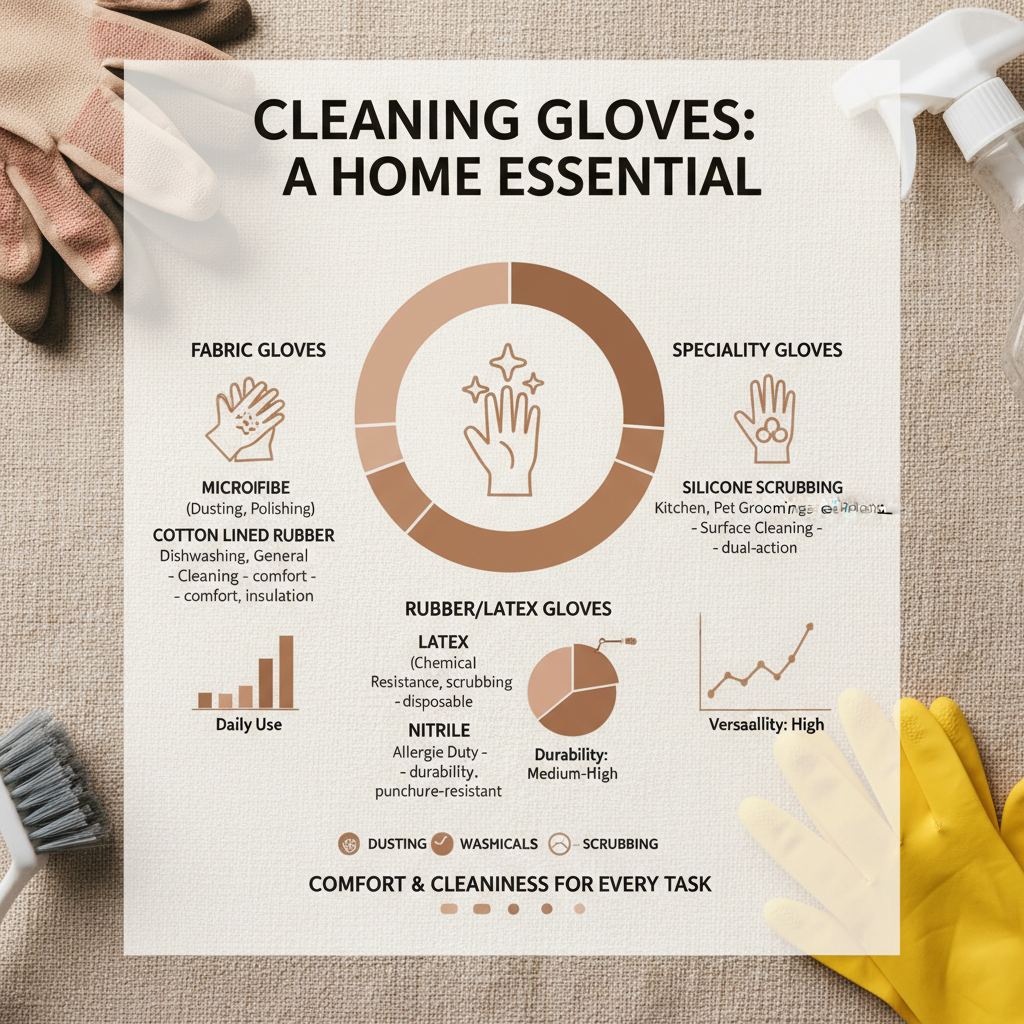
Understanding the diverse types of cleaning gloves is crucial in maintaining hygiene, safety, and operational efficiency across numerous sectors. From healthcare facilities to industrial environments and everyday household chores, selecting the appropriate glove is paramount. Different materials offer varying levels of protection against chemicals, bacteria, and physical hazards, influencing the effectiveness of cleaning procedures and the well-being of users. This knowledge impacts global health standards and productivity.
Globally, the demand for specialized cleaning gloves is steadily increasing, driven by heightened awareness of infection control, stricter regulatory requirements, and expanding industrial activities. According to the World Health Organization (WHO), proper hand hygiene is one of the most effective ways to prevent the spread of infectious diseases. The ISO standards governing personal protective equipment (PPE), including gloves, play a vital role in ensuring quality and performance. This growing need necessitates a comprehensive understanding of available options.
The selection of the right cleaning gloves isn’t just about convenience; it’s about safety, compliance, and optimizing performance. Understanding the nuances of various types of cleaning gloves empowers professionals and individuals alike to make informed decisions, safeguarding health and improving the efficiency of cleaning operations. This directly contributes to a safer, healthier, and more productive world.
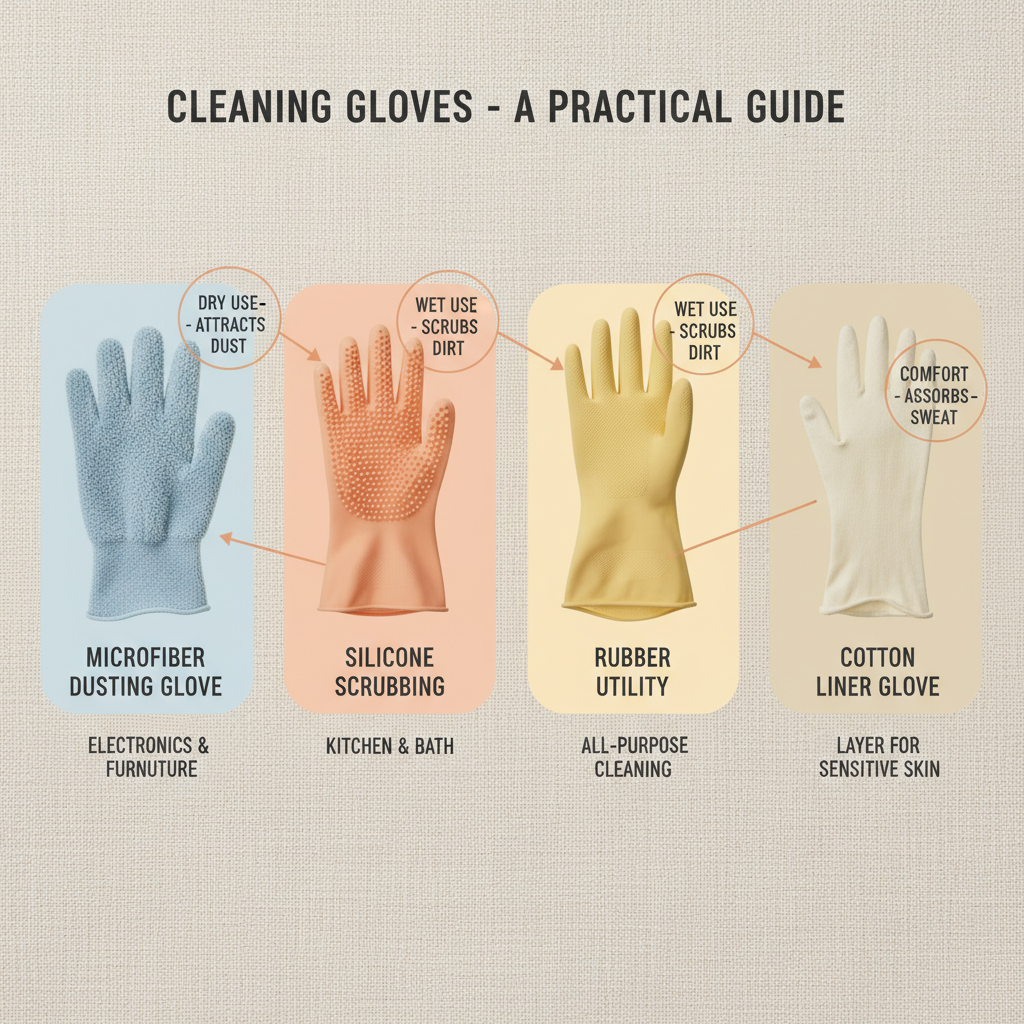
Introduction to Types of Cleaning Gloves
The spectrum of types of cleaning gloves is incredibly broad, encompassing materials like latex, nitrile, vinyl, and neoprene, each suited for specific tasks and environments. The choice hinges on factors such as chemical resistance, puncture resistance, dexterity, and cost. Understanding these differences is essential for professionals in fields like healthcare, food processing, and laboratory work.
This variety isn’t simply a matter of choice; it’s a necessity driven by diverse risks and operational needs. For instance, a surgeon requires gloves with exceptional tactile sensitivity, while a worker handling corrosive chemicals needs robust chemical resistance. Appropriate glove selection directly impacts safety, hygiene, and operational efficiency across various industries.
Defining Types of Cleaning Gloves
Types of cleaning gloves are defined as protective hand coverings designed to prevent contamination, protect the user from hazardous materials, and maintain hygiene. They form a critical barrier between hands and potential risks, minimizing exposure to pathogens, chemicals, and abrasions. These gloves are not one-size-fits-all, but rather a specialized tool tailored to specific needs.
In the context of modern industry, cleaning gloves are integral to quality control, product safety, and regulatory compliance. Within humanitarian settings, they are vital for preventing the spread of disease during disaster relief or in areas with limited access to sanitation. They are central to maintaining a safe and sterile working environment and protecting individuals.
The definition extends beyond mere protection; gloves also contribute to the efficiency and precision of tasks. Certain materials offer enhanced dexterity, allowing for delicate procedures, while others provide a secure grip in slippery conditions. This nuanced functionality underscores their importance across a wide range of applications.
Core Characteristics of Cleaning Gloves
Durability is a key characteristic, directly impacting the lifespan and cost-effectiveness of types of cleaning gloves. Gloves crafted from thicker materials or reinforced designs withstand more wear and tear, reducing the frequency of replacement. This is particularly important in demanding environments where gloves are exposed to constant abrasion or punctures.
Chemical resistance is another crucial aspect. Different materials exhibit varying levels of protection against specific chemicals. Nitrile gloves, for example, offer excellent resistance to oils, greases, and many solvents, while latex gloves are less effective. Proper selection is vital to prevent chemical burns and skin irritation.
Dexterity refers to the glove's ability to allow for fine motor skills and tactile sensitivity. Thin, flexible gloves provide better dexterity, essential for tasks requiring precision. However, this often comes at the expense of durability or chemical resistance. The balance between these properties must be carefully considered.
Global Applications and Use Cases
In healthcare settings globally, disposable nitrile gloves are the mainstay for preventing cross-contamination during medical procedures. Hospitals and clinics rely heavily on these types of cleaning gloves to protect both patients and healthcare workers. In post-disaster relief operations, robust vinyl gloves are often used for sanitation and handling potentially contaminated materials.
Within the food processing industry, specialized gloves compliant with food safety regulations are essential. These gloves, typically made of polyethylene or latex-free materials, prevent contamination of food products during handling and packaging. In remote industrial zones, workers handling hazardous materials utilize heavy-duty neoprene gloves to safeguard against chemical exposure.
Across various manufacturing sectors, different glove materials are employed depending on the specific processes and hazards. Automotive assembly, electronics manufacturing, and pharmaceutical production all require tailored glove solutions to ensure product quality and worker safety. The application of types of cleaning gloves is universally crucial for maintaining standards.
Chemical Resistance Ratings of Cleaning Glove Types
Advantages and Long-Term Value
The primary advantage of utilizing the correct types of cleaning gloves is enhanced safety, reducing the risk of infection, chemical exposure, and physical injury. This translates to lower healthcare costs, reduced worker’s compensation claims, and increased productivity. Beyond immediate safety benefits, consistent use of appropriate gloves fosters a culture of hygiene and responsibility.
From a sustainability perspective, investing in durable, reusable gloves (where appropriate) can minimize waste compared to frequent disposal of single-use options. This contributes to a reduced environmental footprint and aligns with corporate social responsibility goals. The cost savings associated with fewer replacements can also be substantial over the long term.
Future Trends in Cleaning Glove Technology
Emerging trends include the development of biodegradable gloves made from sustainable materials like plant-based polymers, reducing the environmental impact of disposable options. Nanotechnology is being explored to enhance the barrier properties and chemical resistance of gloves without compromising dexterity.
Digital integration, such as gloves with embedded sensors to monitor wear and tear or detect chemical breaches, is also gaining traction. These “smart gloves” offer real-time data and alerts, enhancing safety and compliance. Automation in manufacturing is leading to more specialized glove designs tailored to specific robotic processes.
Challenges and Solutions in Glove Selection
A common challenge is selecting the appropriate glove for a complex mixture of chemicals, requiring careful review of chemical resistance charts and compatibility data. Another issue is ensuring proper fit and sizing to maintain dexterity and prevent glove failure. Allergies to latex pose a significant concern, necessitating the adoption of latex-free alternatives.
Solutions include providing comprehensive training on glove selection and proper usage, utilizing online resources and chemical compatibility databases, and offering a wide range of glove sizes and materials to accommodate diverse needs. Implementing regular glove audits and inspections can help identify potential issues and ensure compliance with safety standards.
Addressing the cost-benefit ratio of disposable vs. reusable gloves requires careful consideration of usage frequency, contamination risk, and the cost of laundering and maintenance. A thorough risk assessment and life cycle analysis are crucial for making informed decisions.
Summary of Key Considerations in Cleaning Glove Selection
| Glove Material |
Chemical Resistance |
Dexterity/Tactile Feel |
Cost & Sustainability |
| Latex |
Poor to moderate; not suitable for many solvents |
Excellent |
Low cost, but environmental concerns & allergy risk |
| Nitrile |
Excellent; resistant to oils, greases, and many solvents |
Good |
Moderate cost, better sustainability than latex |
| Vinyl |
Poor; limited chemical resistance |
Fair |
Very low cost, but low durability |
| Neoprene |
Very good; resistant to a wide range of chemicals |
Moderate |
Higher cost, good durability |
| Polyethylene |
Poor; limited chemical resistance |
Fair |
Low cost, single-use |
| Butyl Rubber |
Excellent; highly resistant to gas and water |
Limited |
High cost, specialized applications |
FAQS
Nitrile gloves offer superior chemical resistance and are a safer alternative for individuals with latex allergies. While latex provides excellent tactile sensitivity, nitrile offers a good balance of protection and dexterity. Nitrile tends to be more puncture-resistant and generally more durable, though latex is often more affordable. Choosing between the two depends on the specific application and potential allergy concerns.
Glove thickness is measured in mils. Thicker gloves (e.g., 8 mil or higher) offer better protection against punctures and abrasions, ideal for heavy-duty tasks. Thinner gloves (e.g., 4-6 mil) provide greater dexterity and tactile sensitivity, suited for precision work. Consider the level of risk involved; handling hazardous materials requires thicker, more protective gloves.
Generally, disposable gloves are designed for single use only. Reusing them compromises the protective barrier and increases the risk of contamination. Micro-tears and punctures may not be visible, allowing pathogens or chemicals to penetrate. For reusable applications, consider investing in durable, washable gloves made from materials like neoprene or rubber.
Always consult a chemical resistance chart specific to the glove material. These charts indicate breakthrough times – the amount of time it takes for a chemical to permeate the glove material. Consider the concentration and duration of exposure when selecting a glove. Look for gloves certified to relevant standards, such as EN 374 for chemical protective gloves.
The primary solution is to switch to latex-free gloves, such as nitrile or vinyl. Provide employees with education about latex allergies and the importance of reporting symptoms. Ensure proper hand hygiene practices to remove any residual latex proteins. Consider using barrier creams and offering alternative materials for those with sensitivities.
Powder-free gloves reduce the risk of skin irritation and allergic reactions associated with powder residue. They also minimize the potential for contamination of sensitive surfaces, making them ideal for cleanroom environments and medical procedures. Powder can absorb liquids and create pathways for bacteria growth.
Conclusion
In conclusion, understanding the diverse types of cleaning gloves is essential for ensuring safety, maintaining hygiene, and optimizing operational efficiency across a multitude of industries. From selecting the right material for chemical resistance to considering dexterity and cost-effectiveness, a thoughtful approach to glove selection is paramount. By prioritizing these factors, organizations and individuals can minimize risks and create a healthier, more productive environment.
Looking ahead, innovations in glove technology – such as biodegradable materials and smart sensors – promise to further enhance safety and sustainability. Continuing education, adherence to industry standards, and a proactive approach to risk assessment are crucial for maximizing the long-term value of cleaning gloves. Visit our website at www.hmdglove.com to learn more about our range of cleaning glove solutions.