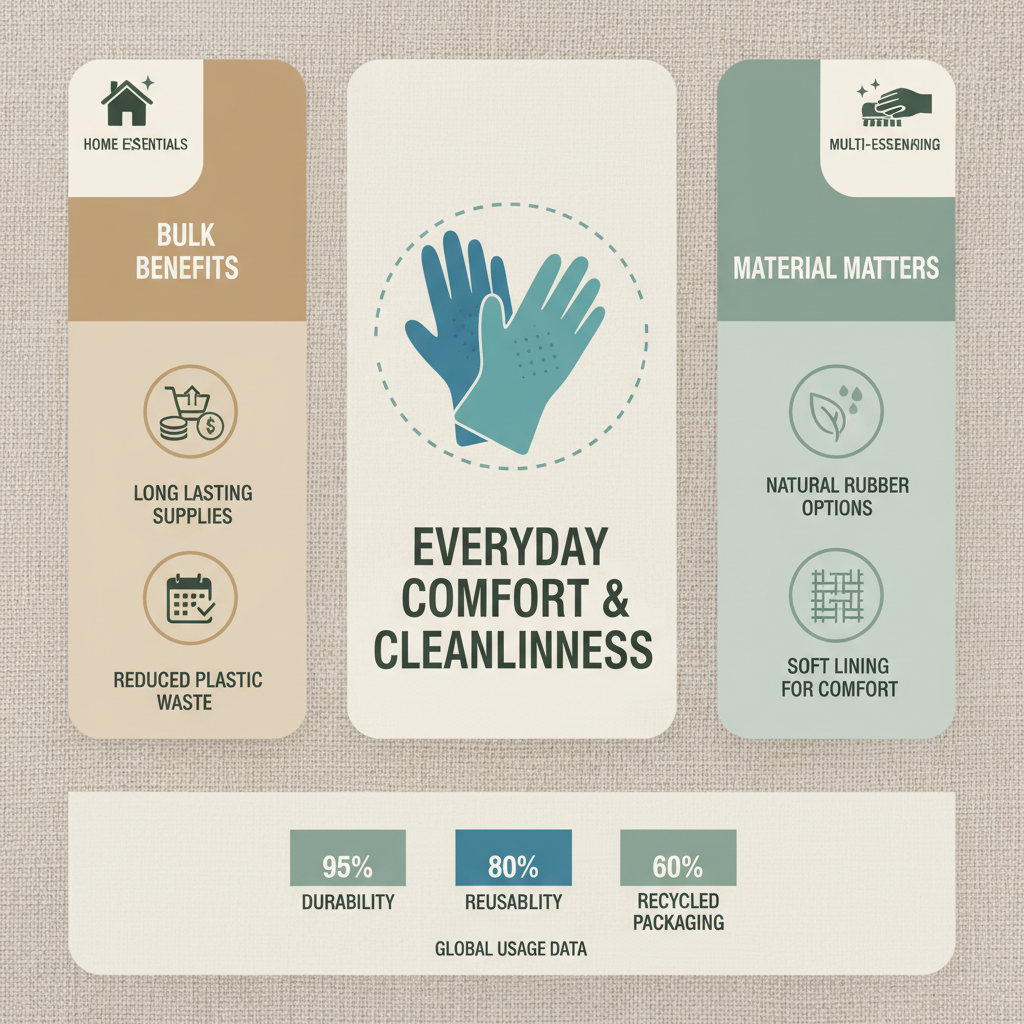
The global demand for effective hygiene solutions is perpetually growing, driven by increasing awareness of public health, stringent safety regulations across industries, and the need for protective measures against infectious diseases. cleaning gloves bulk are a critical component in maintaining these standards, serving as a frontline defense in various sectors including healthcare, food processing, manufacturing, and cleaning services. Understanding the nuances of procuring and utilizing cleaning gloves bulk is therefore essential for organizations and governments worldwide.
The market for cleaning gloves bulk is substantial and continuously expanding, fueled by a global population concerned about sanitation and safety. According to a report by Grand View Research, the disposable gloves market size was valued at USD 57.26 billion in 2022 and is projected to reach USD 88.54 billion by 2030, registering a CAGR of 5.6% from 2023 to 2030. This growth is particularly noticeable in developing economies undergoing rapid industrialization and facing increased health challenges.
The efficient and cost-effective provision of cleaning gloves bulk is not merely a commercial issue; it’s a humanitarian one. Access to adequate protective equipment is vital in preventing the spread of diseases, safeguarding workers, and ensuring the integrity of essential services, particularly during public health crises. Understanding the supply chain, material science, and logistical considerations surrounding these gloves is paramount.

The Global Importance of cleaning gloves bulk
The significance of cleaning gloves bulk extends far beyond simple sanitation. They represent a fundamental layer of protection across a diverse range of industries, mitigating the risk of contamination, infection, and chemical exposure. The quality and availability of these gloves directly impact worker safety, product integrity, and public health outcomes on a global scale.
From preventing the spread of healthcare-associated infections (HAIs) to ensuring food safety in processing plants and maintaining hygiene standards in the hospitality sector, cleaning gloves bulk are indispensable. Organizations rely on a consistent supply of these gloves to uphold operational efficiency and meet regulatory requirements.
Defining cleaning gloves bulk
Cleaning gloves bulk refers to the large-scale procurement of disposable or reusable gloves specifically designed for cleaning, sanitation, and protective purposes. These gloves are typically purchased in large quantities – often by the case, pallet, or container load – to meet the ongoing needs of organizations and industries requiring frequent glove usage.
This concept differs from individual retail purchases in terms of pricing, logistical considerations, and quality control measures. Cleaning gloves bulk purchases prioritize cost-effectiveness, consistent supply, and adherence to industry-specific standards, such as those set by the FDA for food handling or ISO for healthcare applications.
The definition also encompasses various materials, including latex, nitrile, vinyl, and polyethylene, each offering different levels of protection, durability, and cost. Choosing the right type of glove depends on the specific application and potential hazards involved.
Key Factors in cleaning gloves bulk Procurement
Durability is a primary consideration when purchasing cleaning gloves bulk. Gloves that tear or puncture easily compromise protection and increase the frequency of replacements, raising overall costs. Material thickness, tensile strength, and resistance to abrasion are key indicators of durability.
Scalability refers to the supplier's ability to consistently meet fluctuating demands. Reliable suppliers can accommodate large orders, manage inventory effectively, and ensure timely delivery, even during periods of peak demand or unforeseen disruptions. A robust supply chain is crucial.
Cost efficiency isn’t just about the price per glove; it’s about the total cost of ownership. This includes factors like shipping costs, storage requirements, and the frequency of replacements due to poor quality. Negotiating favorable pricing and streamlining the procurement process are essential for maximizing value.
Applications of cleaning gloves bulk Worldwide
Cleaning gloves bulk find widespread use in healthcare facilities globally, protecting medical professionals from exposure to infectious diseases and ensuring sterile environments. Hospitals, clinics, and laboratories rely heavily on a consistent supply of nitrile and latex gloves.
The food processing industry utilizes cleaning gloves bulk to maintain stringent hygiene standards throughout the production process, preventing contamination and ensuring food safety. From meatpacking plants to fruit and vegetable processing facilities, gloves are essential for protecting both workers and consumers.
In post-disaster relief operations, cleaning gloves bulk are crucial for protecting aid workers and volunteers from exposure to hazardous materials and ensuring safe sanitation practices. Organizations like the Red Cross and UNICEF rely on these gloves during emergency response efforts in affected regions.
Cleaning Glove Bulk Usage by Industry
Advantages and Long-Term Value of cleaning gloves bulk
The primary advantage of procuring cleaning gloves bulk is significant cost savings. Larger volume purchases typically qualify for discounted pricing, reducing the per-unit cost compared to smaller, more frequent orders. This is a crucial benefit for organizations with high glove consumption rates.
Beyond cost, utilizing quality cleaning gloves bulk contributes to improved worker safety and reduced risk of workplace injuries. Protecting employees from hazardous substances and maintaining a hygienic work environment fosters a culture of safety and boosts employee morale.
Future Trends in cleaning gloves bulk
Increasing demand for sustainable and eco-friendly alternatives is driving innovation in glove materials. Biodegradable gloves and those made from recycled materials are gaining popularity as organizations strive to reduce their environmental footprint.
The integration of smart technologies, such as sensors embedded in gloves to detect punctures or chemical exposure, is an emerging trend. These "smart gloves" provide real-time alerts, enhancing worker safety and enabling proactive maintenance.
Supply chain diversification is becoming increasingly important to mitigate risks associated with geopolitical instability and disruptions. Organizations are seeking to establish relationships with multiple suppliers to ensure a reliable and resilient supply of cleaning gloves bulk.
Challenges and Solutions in cleaning gloves bulk Supply
One significant challenge is maintaining consistent quality across large-volume orders. Variability in manufacturing processes and material sourcing can lead to inconsistencies in glove performance. Implementing rigorous quality control measures and partnering with reputable suppliers are essential for mitigating this risk.
Supply chain disruptions, exacerbated by global events like pandemics and natural disasters, can create shortages and price fluctuations. Diversifying suppliers, building strategic inventory reserves, and utilizing advanced forecasting techniques can help organizations navigate these challenges.
Ensuring ethical sourcing and fair labor practices within the glove manufacturing industry is another critical concern. Organizations should prioritize suppliers that adhere to internationally recognized labor standards and promote transparency throughout the supply chain.
Analysis of Key Challenges and Solutions in Cleaning Gloves Bulk Supply
| Challenge |
Impact Severity (1-10) |
Proposed Solution |
Implementation Cost (USD) |
| Quality Control Issues |
7 |
Implement a detailed inspection protocol with accredited labs. |
5,000 - 15,000 |
| Supply Chain Disruptions |
9 |
Diversify supplier base and build safety stock. |
10,000 - 30,000 |
| Price Volatility |
6 |
Negotiate long-term contracts with fixed pricing. |
2,000 - 8,000 (Legal Fees) |
| Ethical Sourcing Concerns |
8 |
Conduct supplier audits and prioritize certifications (e.g., Fair Trade). |
3,000 - 10,000 (Audit Costs) |
| Logistics & Transportation Costs |
5 |
Optimize shipping routes and consolidate orders. |
1,000 - 5,000 (Logistics Software) |
| Regulatory Compliance |
7 |
Ensure suppliers meet relevant industry standards (FDA, ISO). |
2,000 - 7,000 (Certification Verification) |
FAQS
The minimum order quantity (MOQ) for cleaning gloves bulk varies significantly depending on the supplier and glove type. However, most suppliers have an MOQ of at least 1,000 to 5,000 gloves per shipment. Larger organizations may negotiate even lower per-unit costs with significantly larger order volumes, potentially exceeding 10,000 gloves. It’s essential to discuss specific needs with potential suppliers to determine the most cost-effective order size.
When sourcing cleaning gloves bulk, look for certifications like ASTM D6978 (resistance to permeation by chemicals), EN 374 (protection against chemicals and micro-organisms), and FDA compliance (for food handling applications). ISO 9001 certification indicates a robust quality management system. These certifications demonstrate that the gloves meet recognized safety and performance standards.
Latex gloves are generally the most affordable but pose allergy risks. Nitrile gloves offer superior chemical resistance and are hypoallergenic, making them a popular choice despite a higher cost than latex. Vinyl gloves are the least expensive alternative to latex, but offer limited chemical resistance and durability. The best material depends on the specific application and risk assessment.
Lead times for cleaning gloves bulk orders can range from 2 to 8 weeks, depending on the supplier's inventory levels, manufacturing capacity, and shipping distance. During periods of high demand or global supply chain disruptions, lead times may be extended. It’s crucial to plan ahead and place orders well in advance to ensure a consistent supply.
Store cleaning gloves bulk in a cool, dry, and well-ventilated area, away from direct sunlight and heat sources. Avoid storing them near ozone-generating equipment or strong chemicals, as these can degrade the glove material. Keep the gloves in their original packaging until use to protect them from damage and contamination.
The shelf life of unopened cleaning gloves bulk typically ranges from 3 to 5 years, depending on the material and storage conditions. Latex gloves have a shorter shelf life than nitrile or vinyl gloves. Check the manufacturer’s recommendations for specific storage guidelines and expiration dates. Proper storage is crucial for maintaining glove integrity and performance.
Conclusion
In conclusion, the strategic procurement of cleaning gloves bulk is a critical aspect of maintaining public health, worker safety, and operational efficiency across numerous industries. Understanding the factors influencing quality, cost, and supply chain resilience is paramount. Investing in durable, certified gloves from reputable suppliers can yield significant long-term benefits, reducing risks and improving overall performance.
Looking ahead, the demand for sustainable and innovative glove solutions will continue to grow. Organizations that prioritize ethical sourcing, embrace new technologies, and proactively manage their supply chains will be best positioned to navigate future challenges and ensure a consistent supply of high-quality cleaning gloves bulk. Visit our website to explore our extensive range of cleaning gloves and solutions: www.hmdglove.com