Cleaning gloves are an essential component of personal protective equipment (PPE), playing a crucial role in maintaining hygiene and preventing the spread of contaminants across a vast spectrum of industries and daily life. From healthcare settings demanding stringent sterilization protocols to food processing plants ensuring consumer safety, and even in everyday household chores, cleaning gloves provide a vital barrier against harmful substances. The global demand for cleaning gloves has surged, particularly in light of recent health crises, highlighting their critical importance in public health and safety.
The market for cleaning gloves is expansive and diverse, encompassing materials like latex, nitrile, vinyl, and neoprene, each offering distinct advantages depending on the application. Growing awareness regarding infection control, coupled with increasingly strict regulatory standards in various sectors, fuels continuous innovation in glove technology. This constant evolution focuses on enhancing durability, chemical resistance, tactile sensitivity, and user comfort, addressing specific needs in specialized fields.
Understanding the nuances of cleaning gloves – their types, applications, and evolving technologies – is paramount for professionals and individuals alike. Selecting the appropriate glove can dramatically impact efficiency, safety, and overall health, making informed decision-making crucial. Furthermore, sustainable manufacturing practices and responsible disposal methods are becoming increasingly vital considerations within the cleaning gloves industry.

The Importance of Cleaning Gloves
Cleaning gloves extend far beyond simple household chores; they’re a cornerstone of preventative hygiene in critical settings like hospitals, laboratories, and food production facilities. The effectiveness of infection control measures relies heavily on appropriate glove use, protecting both workers and the public. Furthermore, specialized cleaning gloves are formulated to resist specific chemicals and biological hazards, ensuring a safe working environment in demanding industrial applications.
The rising global awareness of health and safety standards has led to increased demand and refinement of cleaning glove technologies. From advancements in material science offering superior barrier protection to ergonomic designs enhancing comfort and dexterity, the industry continuously strives to meet evolving needs. This highlights the crucial role that cleaning gloves play in preserving public health and maintaining operational integrity across diverse sectors.
Defining Cleaning Gloves: Scope and Relevance
Cleaning gloves are protective coverings worn on the hands to shield against contamination, chemicals, abrasions, and other hazards. They act as a barrier, preventing direct contact between the wearer’s skin and potentially harmful substances. Traditionally made from materials like latex, modern cleaning gloves are increasingly produced from alternatives like nitrile, vinyl, and neoprene, addressing concerns regarding allergies and offering enhanced chemical resistance.
In modern industry, cleaning gloves are integral to maintaining quality control and adhering to stringent hygiene regulations. From the pharmaceutical industry, where sterility is paramount, to the automotive sector, where protection against solvents is essential, the correct glove selection is vital for operational efficiency and employee wellbeing. They are also deeply connected to humanitarian efforts; providing safe handling of sanitation materials during emergencies.
The relevance of cleaning gloves extends beyond professional settings. In households, they protect hands during cleaning tasks, preventing skin irritation from harsh chemicals and minimizing the risk of spreading germs. This widespread use underlines the fundamental role of cleaning gloves in both public and personal health, making them a ubiquitous element of modern life.
Key Characteristics of Effective Cleaning Gloves
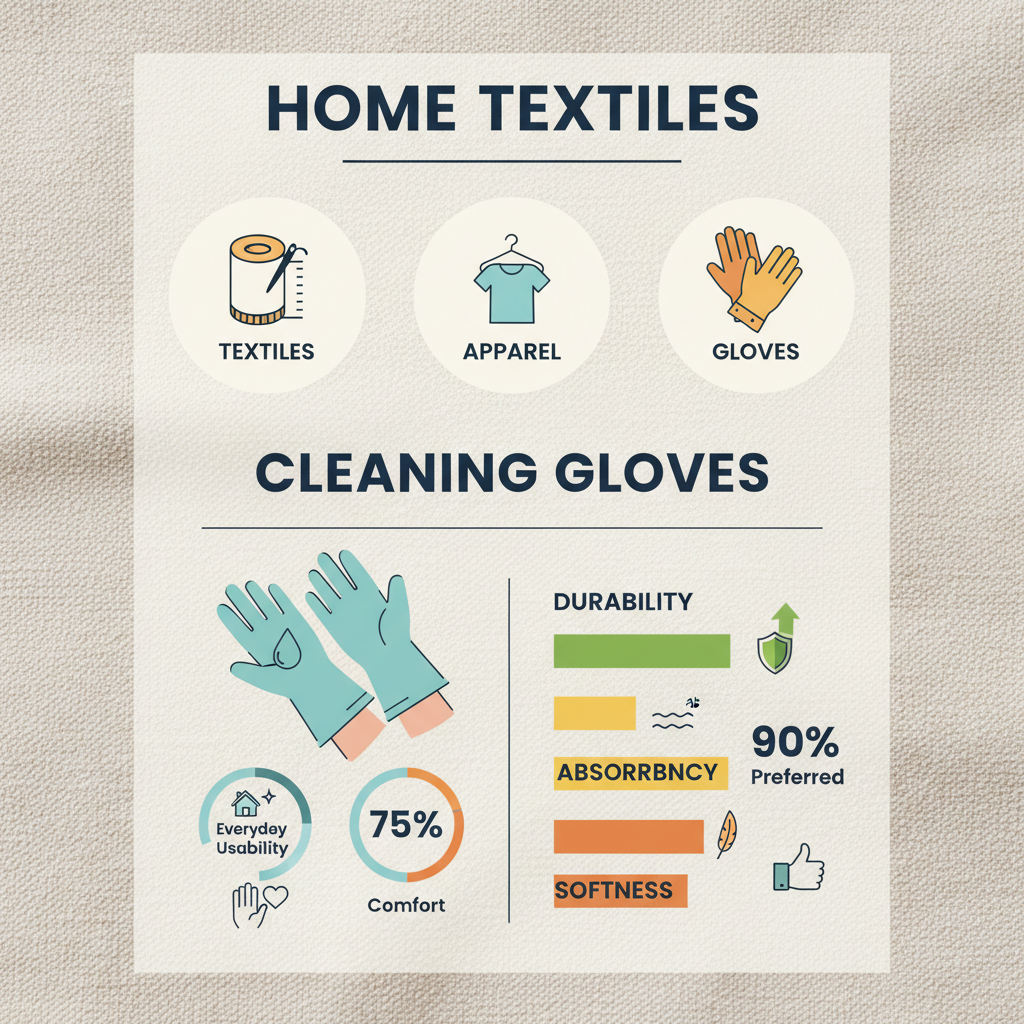
Durability is a paramount characteristic of effective cleaning gloves. The ability to withstand punctures, tears, and abrasions is crucial, particularly in environments involving sharp objects or harsh handling. Glove thickness, measured in mils, directly correlates with durability, with thicker gloves offering greater protection, but potentially sacrificing dexterity.
Chemical resistance is another key factor, varying significantly based on the glove material. Nitrile gloves, for example, offer superior resistance to oils, solvents, and chemicals compared to latex or vinyl. Understanding the specific chemicals present in the work environment and selecting a glove with appropriate resistance is vital for preventing skin exposure and ensuring worker safety.
Tactile sensitivity, or the ability to maintain fine motor skills while wearing gloves, is essential for tasks requiring precision. Thin, form-fitting gloves generally offer better dexterity, although they may compromise protection. Advances in glove manufacturing are constantly improving tactile sensitivity without sacrificing durability.
Applications and Diverse Use Cases
The applications of cleaning gloves are incredibly diverse. In healthcare, they're indispensable for patient care, preventing cross-contamination during examinations, procedures, and surgeries. Food processing relies heavily on gloves to maintain hygiene standards, safeguarding against foodborne illnesses. Laboratory settings utilize specialized gloves resistant to specific chemicals and biological agents.
Industrial applications range from automotive manufacturing, where gloves protect against solvents and oils, to the electronics industry, where static-dissipative gloves prevent damage to sensitive components. Emergency services, including firefighters and Hazmat teams, rely on gloves offering protection against extreme temperatures, chemicals, and biological hazards.
Globally, the use of cleaning gloves is widespread. In developing nations, they aid in sanitation efforts and disease prevention. In industrialized countries, they’re integral to maintaining safety standards across diverse industries. From post-disaster relief operations to remote industrial zones, cleaning gloves are a ubiquitous essential.
Cleaning Glove Performance Metrics by Method
Advantages and Long-Term Benefits of Using Cleaning Gloves
The most immediate benefit of using cleaning gloves is cost savings. Preventing skin contact with harsh chemicals or irritants reduces the incidence of dermatitis and other skin conditions, lowering healthcare costs and minimizing lost workdays. Moreover, proper glove use extends the life of cleaning solutions by preventing contamination and minimizing dilution requirements.
From a sustainability perspective, selecting reusable gloves, where appropriate, reduces waste compared to single-use options. Investing in durable, high-quality cleaning gloves reduces the frequency of replacements, further minimizing environmental impact. Beyond the practical advantages, cleaning gloves foster a sense of safety and dignity for workers, enhancing morale and productivity.
Future Trends and Innovations in Cleaning Glove Technology
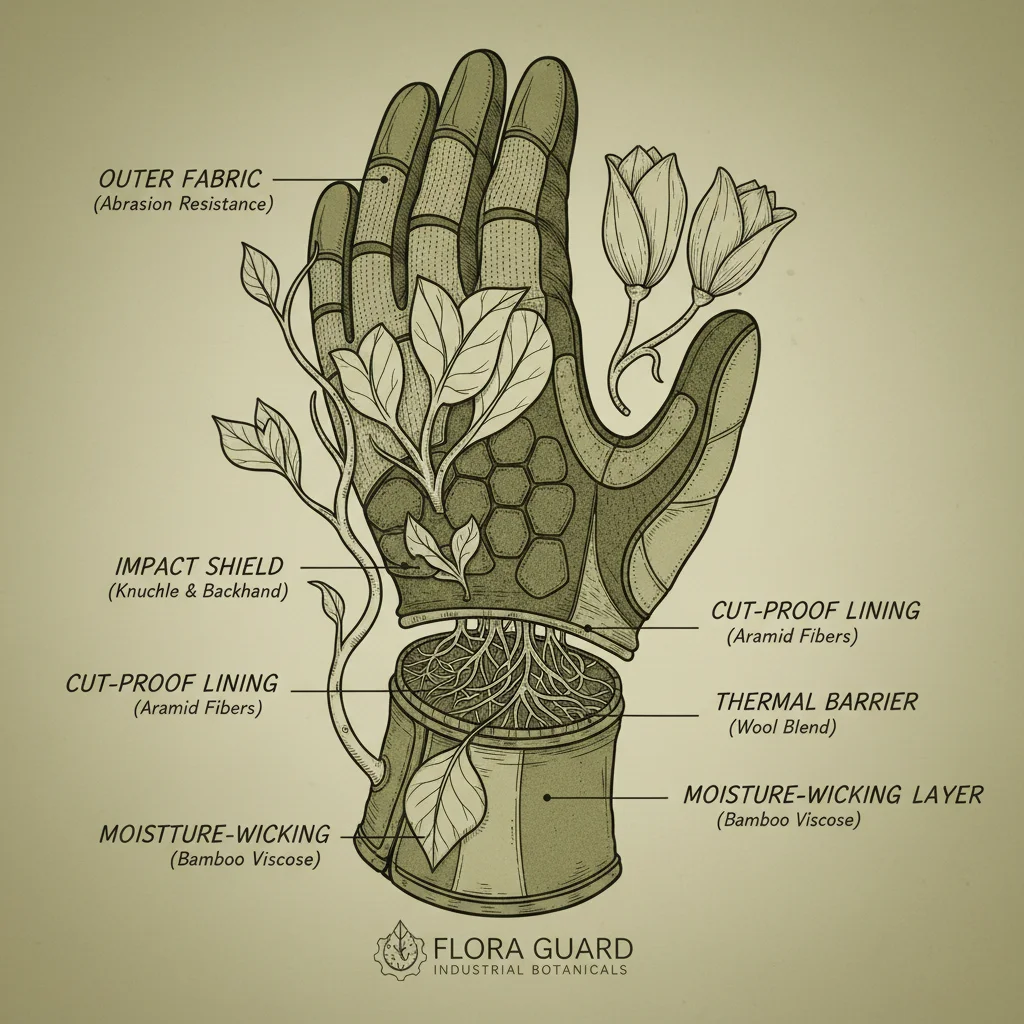
Research is underway to develop biodegradable cleaning gloves using plant-based materials, offering a more sustainable alternative to traditional polymers. Nanotechnology is being explored to enhance glove barrier properties, providing increased protection against viruses and bacteria. Smart gloves equipped with sensors that detect chemical exposure or breaches in the barrier are also on the horizon.
Digital transformation is impacting the cleaning glove industry through the implementation of supply chain tracking systems and automated quality control processes. This improves traceability, ensures product authenticity, and streamlines manufacturing. Automation is also being used to increase production efficiency and reduce labor costs.
Policy changes increasingly prioritize worker safety and environmental responsibility, driving demand for innovative and sustainable cleaning glove solutions. Regulations regarding chemical handling and waste disposal will further incentivize the adoption of eco-friendly materials and responsible disposal practices.
Challenges and Sustainable Solutions
A significant challenge is the widespread use of single-use gloves, contributing to plastic waste and environmental pollution. Addressing this requires a shift towards reusable gloves where feasible, alongside the development of biodegradable alternatives. Proper disposal practices and recycling initiatives are also critical.
Another challenge is ensuring consistent quality control across different manufacturers and materials. Implementing standardized testing protocols and certification programs can help verify glove performance and ensure that products meet safety standards. Transparent supply chains and ethical sourcing practices are also essential.
Innovative solutions include investing in closed-loop recycling systems for cleaning gloves, where used gloves are collected and repurposed into new products. Furthermore, promoting awareness and educating users on proper glove selection, usage, and disposal can significantly reduce waste and enhance safety.
Summary of Cleaning Glove Material Properties
| Material Type |
Chemical Resistance |
Durability (1-10) |
Tactile Sensitivity (1-10) |
| Latex |
Moderate |
6 |
9 |
| Nitrile |
Excellent |
8 |
7 |
| Vinyl |
Low |
4 |
8 |
| Neoprene |
Very Good |
7 |
6 |
| Polyethylene |
Limited |
3 |
7 |
| Butyl Rubber |
Excellent |
9 |
5 |
FAQS
Latex gloves offer excellent elasticity and tactile sensitivity but can cause allergic reactions. Nitrile gloves provide superior chemical resistance and are a good alternative for those with latex allergies. Vinyl gloves are the least expensive option but offer limited protection and durability. Choosing the right material depends on the specific application and potential hazards.
Glove thickness is measured in mils. Thicker gloves (higher mil value) offer greater puncture and tear resistance, suitable for heavy-duty tasks. Thinner gloves provide better dexterity for tasks requiring precision. Consider the level of risk and potential hazards when selecting glove thickness.
Yes, biodegradable cleaning gloves made from plant-based materials are emerging as eco-friendly alternatives. Reusable gloves, when properly maintained and sanitized, also reduce waste compared to single-use options. Look for gloves certified by recognized environmental standards.
Single-use gloves should be disposed of properly as contaminated waste, following local regulations. Reusable gloves should be thoroughly cleaned and sanitized after each use. Consider participating in recycling programs if available in your area.
Store gloves in a cool, dry place away from direct sunlight and extreme temperatures. Avoid storing them near ozone-generating equipment or strong chemicals. Keep gloves in their original packaging or a clean, sealed container to prevent contamination.
Look for certifications such as EN 374 (chemical resistance), ASTM F739 (permeation resistance), and ISO 9001 (quality management). These certifications indicate that the gloves have been tested and meet specific performance standards.
Conclusion
In conclusion, cleaning gloves are far more than a simple accessory; they represent a cornerstone of safety, hygiene, and operational efficiency across a vast range of industries and everyday life. Understanding the nuances of glove materials, applications, and emerging technologies is paramount for making informed decisions that protect both individuals and the environment. The continued development of sustainable materials and responsible disposal practices will be crucial for minimizing the environmental impact of cleaning glove usage.
Looking ahead, the future of cleaning gloves lies in innovation and a commitment to sustainability. By embracing biodegradable materials, enhancing protective properties through nanotechnology, and promoting responsible disposal methods, we can ensure that cleaning gloves continue to serve as a vital tool in safeguarding public health and preserving our planet. Visit our website to explore our range of high-quality cleaning gloves.