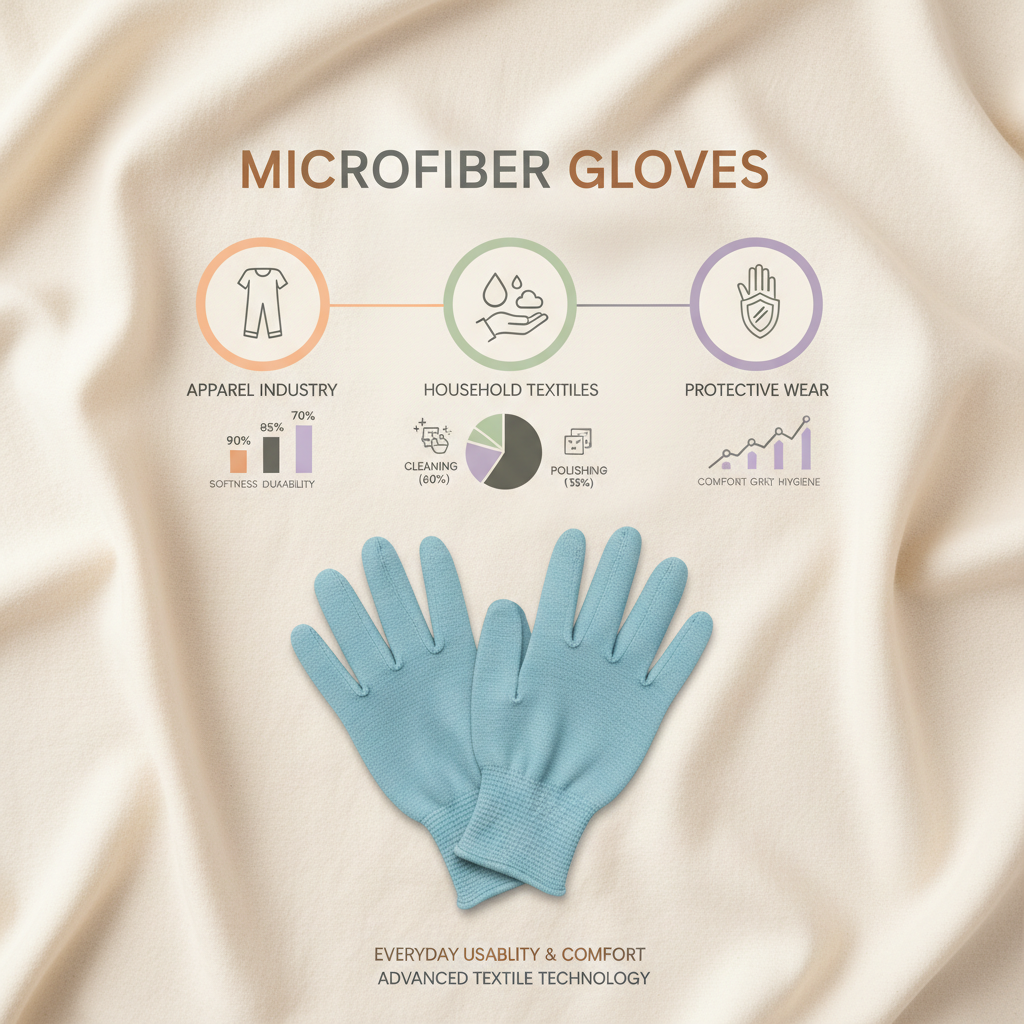
Microfiber gloves have become indispensable across a vast spectrum of industries and applications, ranging from delicate cleaning and precision manufacturing to healthcare and automotive detailing. Their unique blend of properties – superior absorbency, lint-free performance, and non-abrasive texture – addresses critical needs for cleanliness, protection, and efficiency. The global demand for these gloves is steadily increasing, driven by heightened hygiene standards, advancements in manufacturing processes, and a growing awareness of the benefits they offer over traditional materials. This demand underscores the importance of understanding their composition, applications, and future potential.
The escalating need for precise and contaminant-free work environments is a major catalyst behind the rise of microfiber gloves. Industries like electronics manufacturing, pharmaceutical production, and optical lens polishing require unwavering cleanliness to ensure product quality and reliability. Furthermore, concerns regarding skin sensitivity and allergic reactions to latex or nitrile gloves are driving a shift towards hypoallergenic alternatives like microfiber. The ability to repeatedly launder and reuse microfiber gloves also presents a cost-effective and sustainable solution for many businesses.
Understanding microfiber gloves isn’t merely about knowing their material composition; it's about recognizing their impact on process efficiency, product integrity, and even worker safety. As technology advances and industries become more specialized, the demand for highly effective hand protection will only continue to grow, solidifying the position of microfiber gloves as a crucial component in countless operations worldwide.

The Core Characteristics of microfiber gloves
The defining characteristics of microfiber gloves lie in their material composition – a blend of polyester and polyamide fibers, often with an 80/20 or 70/30 ratio. This combination creates a fabric with exceptionally fine fibers, far smaller than a human hair. These microscopic fibers provide an incredibly large surface area, resulting in superior cleaning power and absorbency. microfiber gloves are designed to trap dust, dirt, and liquids effectively without leaving behind lint or scratches.
Furthermore, the split-fiber technology used in many high-quality microfiber gloves enhances their cleaning ability. Splitting the fibers increases the number of edges available for wiping, further maximizing their efficiency. The specific weave and knit of the microfiber material also contribute to its performance, with different patterns offering varying degrees of texture and absorbency. These tailored characteristics make them ideal for a diverse range of applications.
The Global Relevance of microfiber gloves
Globally, the market for microfiber gloves is experiencing significant growth, estimated at over USD 2.5 billion in 2023 and projected to reach USD 3.8 billion by 2030, according to recent industry reports. This expansion is fueled by increasing demand from several key sectors, including automotive, electronics, healthcare, and household cleaning. Emerging economies in Asia-Pacific, particularly China and India, represent the fastest-growing markets, driven by industrial expansion and rising disposable incomes. The United Nations Sustainable Development Goals (SDGs) also play a role, as the reusability of microfiber gloves aligns with goals promoting responsible consumption and production.
Regulations regarding hygiene and workplace safety, enforced by organizations like ISO (International Organization for Standardization), are also contributing to the demand. Industries requiring stringent cleanliness protocols – such as pharmaceutical manufacturing and food processing – are increasingly adopting microfiber gloves to meet compliance standards. However, a significant challenge remains in ensuring ethical sourcing of materials and environmentally responsible manufacturing processes across the global supply chain.
The global relevance of microfiber gloves extends beyond industrial applications. Healthcare facilities worldwide rely on them to minimize the spread of infections and maintain sterile environments. This is particularly crucial in light of recent global health crises, demonstrating their importance in protecting both healthcare professionals and patients.
Defining microfiber gloves: Composition and Function
Microfiber gloves are meticulously crafted hand coverings made from synthetic fibers—typically a blend of polyester and polyamide—each significantly thinner than a strand of silk. These fibers are engineered to create a material that is remarkably soft, durable, and highly absorbent. The key lies in the denier, a unit of measurement for the fineness of fibers; microfiber typically has a denier of less than 1.0, making it exceptionally fine.
The function of microfiber gloves hinges on their unique structure. The split fibers, created through a specialized weaving process, dramatically increase the surface area available for cleaning and absorption. This allows the gloves to lift and trap dirt, dust, oil, and other contaminants effectively, rather than simply pushing them around. They are also designed to be lint-free, preventing the release of particles that could contaminate sensitive surfaces.
Their connection to modern industry and humanitarian needs is profound. In manufacturing, they protect sensitive components from contamination and ensure product quality. In healthcare, they reduce the risk of infection. And in disaster relief, they can be used for general cleaning and hygiene purposes, providing a critical tool for maintaining sanitation in challenging environments. microfiber gloves are therefore a versatile and valuable asset in numerous contexts.
Key Attributes of High-Performance microfiber gloves
High-performance microfiber gloves stand out due to several key attributes. Firstly, Superior Absorbency is paramount, allowing them to quickly soak up spills and liquids without becoming saturated. Secondly, Lint-Free Operation prevents contamination of sensitive surfaces, making them ideal for electronics, optics, and medical applications.
Thirdly, Non-Abrasive Texture safeguards delicate materials from scratches and damage during cleaning or handling. Fourthly, Durability and Reusability offer a cost-effective solution compared to disposable gloves, reducing waste and promoting sustainability. Lastly, Chemical Resistance protects hands from harsh chemicals and solvents in industrial environments.
Microfiber Gloves Performance Metrics
Diverse Applications of microfiber gloves Worldwide
The versatility of microfiber gloves extends to a vast range of applications globally. In the automotive industry, they’re crucial for detailing and polishing vehicles without causing scratches or swirl marks. In electronics manufacturing, they safeguard sensitive components from electrostatic discharge and particulate contamination. Healthcare professionals utilize them for sterile procedures and patient care, minimizing the risk of infection.
Furthermore, in post-disaster relief operations, microfiber gloves provide a vital tool for sanitation and hygiene, assisting in the cleanup and prevention of disease outbreaks. In remote industrial zones, their reusability and durability make them a cost-effective solution for workers. Museums and art galleries employ them for handling delicate artifacts and preserving valuable collections.
The Long-Term Advantages of Using microfiber gloves
The long-term benefits of adopting microfiber gloves extend beyond immediate performance gains. From a cost perspective, their reusability significantly reduces expenses compared to disposable alternatives. Sustainability is another key advantage; by minimizing waste, they contribute to environmentally responsible practices. The reduced need for cleaning chemicals, due to their superior cleaning ability, also benefits the environment.
Socially, microfiber gloves enhance worker safety by providing a protective barrier against contaminants and irritants. They also promote a higher level of hygiene, contributing to a healthier and more productive work environment. From a business perspective, they enhance brand reputation by demonstrating a commitment to quality, cleanliness, and sustainability, fostering trust with customers.
Future Innovations and Challenges in microfiber gloves Technology
Future innovations in microfiber gloves are focused on enhancing their functionality and sustainability. Researchers are exploring the incorporation of antimicrobial agents directly into the fiber structure, offering enhanced hygiene and protection. Developments in nanotechnology are also promising, potentially leading to self-cleaning or sensor-integrated gloves. Furthermore, the development of bio-based microfiber materials derived from renewable resources is gaining momentum, addressing growing environmental concerns.
However, challenges remain. Ensuring consistent quality across the supply chain and addressing the issue of microplastic shedding during laundering are critical areas for improvement. The cost of advanced microfiber materials can also be a barrier to wider adoption. Addressing these challenges will require continued research, investment, and collaboration between manufacturers, researchers, and policymakers.
Digital technologies, such as smart manufacturing and data analytics, will play an increasing role in optimizing microfiber glove production and performance. Automation will help to improve efficiency and reduce costs, while data-driven insights will enable manufacturers to tailor products to specific application requirements.
Summary of Challenges and Potential Solutions for microfiber gloves Development
| Challenge |
Impact on Performance |
Potential Solution |
Implementation Cost (1-10) |
| Microplastic Shedding |
Environmental Pollution, Reduced Glove Lifespan |
Advanced Fiber Weaving Techniques, Biodegradable Coatings |
7 |
| Variable Material Quality |
Inconsistent Absorbency, Durability Issues |
Rigorous Quality Control Standards, Supplier Audits |
5 |
| High Production Costs |
Limited Market Accessibility, Reduced Profit Margins |
Automation of Manufacturing Processes, Economies of Scale |
8 |
| Lack of Antimicrobial Properties |
Potential for Bacterial Growth, Hygiene Concerns |
Incorporation of Silver Nanoparticles or Other Antimicrobial Agents |
6 |
| Limited Biodegradability |
Environmental Waste, Sustainability Concerns |
Development of Bio-Based Microfiber Materials |
9 |
| Lack of Standardization |
Difficulty in Comparing Products, Quality Control Issues |
Establishment of Industry-Wide Performance Standards |
4 |
FAQS
Microfiber gloves outperform cotton gloves due to their significantly finer fibers, resulting in superior absorbency and a lint-free surface. Cotton gloves often leave behind fibers, which can contaminate sensitive surfaces. Microfiber’s split-fiber technology also enhances its cleaning capabilities, lifting and trapping dirt more effectively. The reduced friction of microfiber minimizes the risk of scratching delicate materials, making them ideal for optics, electronics, and jewelry cleaning.
High-quality microfiber gloves can typically be washed and reused hundreds of times without significant loss of effectiveness. However, it’s crucial to follow proper washing instructions. Avoid using fabric softeners or bleach, as these can damage the fibers and reduce absorbency. Machine wash in warm water with a mild detergent, and air dry or tumble dry on low heat. Regular washing helps maintain their cleaning power and prevents the build-up of contaminants.
Generally, yes. Microfiber gloves are hypoallergenic and less likely to cause skin irritation compared to latex or nitrile gloves. Their soft texture and breathability contribute to comfort during extended use. However, individuals with extreme sensitivities should still test a small area of skin before prolonged wear. Ensure the gloves are free of dyes or coatings that could trigger allergic reactions.
Microfiber gloves offer good resistance to many common chemicals, including mild acids, alkalis, and solvents. However, their resistance varies depending on the specific chemical and the duration of exposure. It's important to consult a chemical resistance chart to ensure compatibility before using them with hazardous substances. They are generally not suitable for prolonged contact with strong acids, corrosive materials, or highly concentrated solvents.
Proper storage is essential for preserving the lifespan and effectiveness of microfiber gloves. Store them in a clean, dry place away from direct sunlight and extreme temperatures. Avoid storing them with abrasive materials that could snag or damage the fibers. If storing for an extended period, consider placing them in a breathable bag to protect them from dust and debris.
Microfiber gloves offer a more sustainable option than disposable gloves due to their reusability, reducing waste generation. However, the production of synthetic fibers like polyester and polyamide has an environmental impact. Choosing gloves made from recycled materials or bio-based alternatives can minimize this footprint. Proper laundering practices, avoiding harsh chemicals and microplastic filters, are also crucial for minimizing environmental impact.
Conclusion
In conclusion, microfiber gloves represent a significant advancement in hand protection and cleaning technology. Their unique properties – superior absorbency, lint-free performance, durability, and reusability – provide tangible benefits across a diverse range of industries and applications. From ensuring product quality in manufacturing to promoting hygiene in healthcare and contributing to environmental sustainability, the value of microfiber gloves is undeniable. Understanding their composition, applications, and emerging innovations is crucial for maximizing their potential.
Looking ahead, continued research and development will focus on enhancing their sustainability, antimicrobial properties, and overall performance. Embracing these innovations and adopting responsible manufacturing practices will pave the way for an even more significant role for microfiber gloves in shaping a cleaner, safer, and more efficient future. To explore our range of high-quality microfiber gloves and find the perfect solution for your needs, visit our website: www.hmdglove.com.