

lbanner
0%

Table of Contents

Industrial glove manufacturers play a critical role in safeguarding workforces across a multitude of industries. Their products aren’t simply accessories; they are essential components of workplace safety, directly impacting productivity, legal compliance, and employee well-being. Globally, the demand for high-quality industrial gloves is steadily increasing, driven by stricter safety regulations and a heightened awareness of occupational hazards. Understanding the nuances of industrial glove manufacturing – from material science to quality control – is paramount for businesses seeking to protect their assets and ensure responsible operations.

The global industrial glove market is estimated to be worth billions, with significant growth predicted in emerging economies. According to the International Labour Organization (ILO), millions of work-related injuries occur annually, many of which could be prevented with appropriate hand protection. This statistic underscores the crucial function of an industrial glove manufacturer in mitigating risk. Moreover, advancements in material technology and design continually redefine the capabilities of these protective garments, offering specialized solutions for increasingly complex work environments. A reliable industrial glove manufacturer is a partner in risk management.

The benefits of sourcing from a reputable industrial glove manufacturer extend beyond immediate safety. Companies can realize cost savings through reduced insurance premiums, minimized downtime due to injuries, and increased employee morale. Furthermore, choosing the right manufacturer demonstrates a commitment to ethical sourcing and responsible business practices, enhancing a company's reputation and attracting top talent. The quality and performance of industrial gloves are directly linked to a manufacturer’s dedication to innovation and adherence to stringent standards.
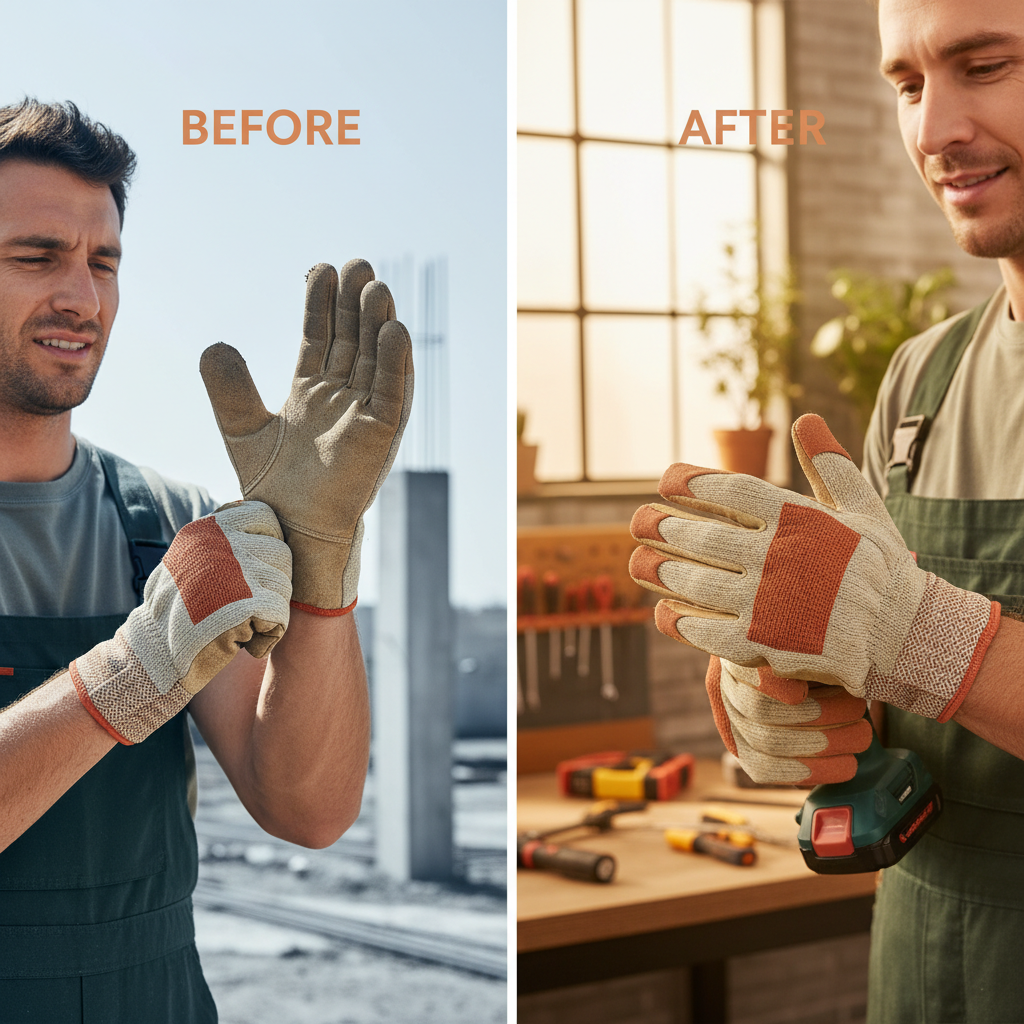
industrial glove manufacturer

The Importance of Industrial Glove Manufacturing
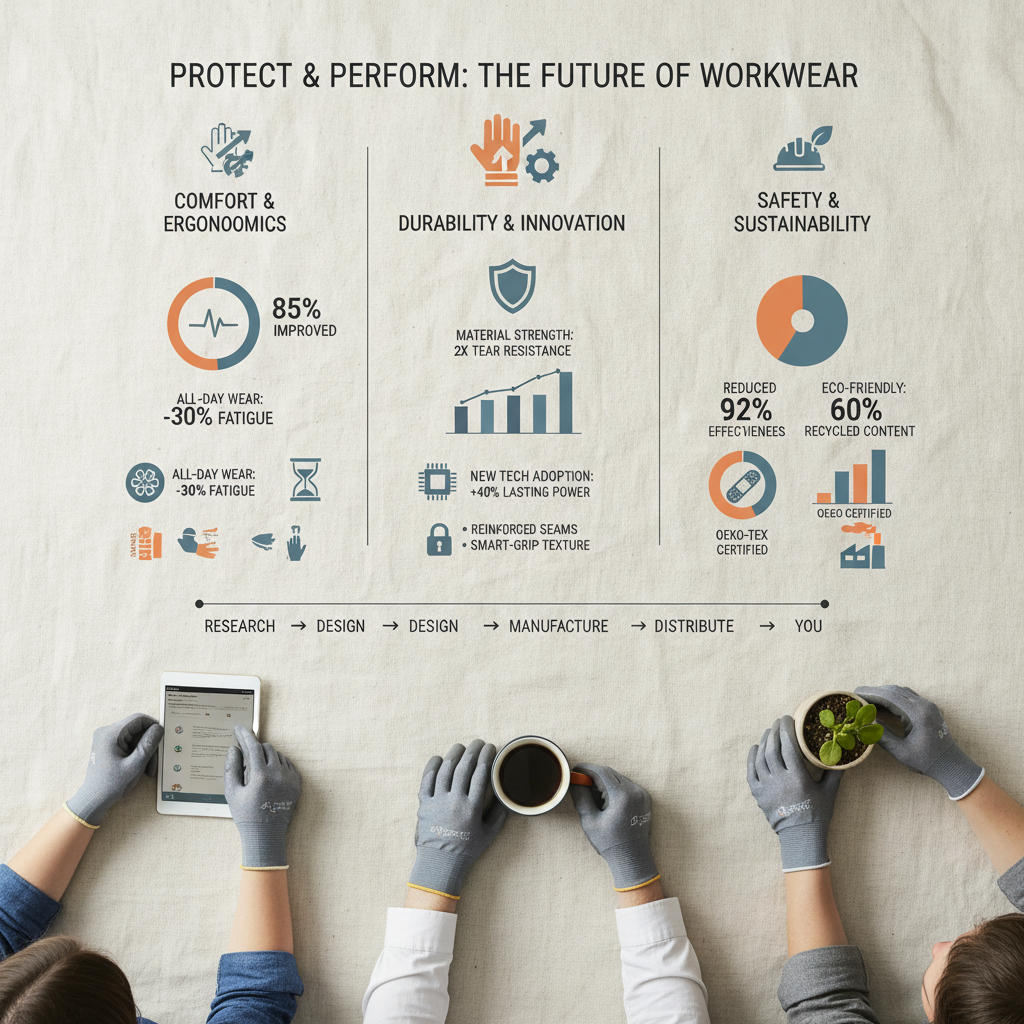
industrial glove manufacturer

The core function of an industrial glove manufacturer lies in providing essential protective equipment. However, the impact extends far beyond simply shielding hands. A competent manufacturer anticipates and responds to evolving industry needs, constantly researching and implementing new materials and designs to address emerging hazards. This proactive approach is vital for maintaining workplace safety and minimizing the risk of costly accidents. Industrial glove manufacturers are integral to the safety supply chain.

Without reliable industrial glove manufacturers, industries like construction, manufacturing, healthcare, and oil & gas would face significantly increased risks of hand injuries, leading to lost productivity, increased healthcare costs, and potential legal liabilities. Investing in quality gloves from a trusted manufacturer isn't just an expense; it's a strategic investment in a safer, more efficient, and more responsible workforce.

Defining an Industrial Glove Manufacturer

An industrial glove manufacturer is a company specializing in the design, production, and distribution of gloves specifically engineered to protect hands in various industrial settings. These aren’t your everyday gardening gloves; they are rigorously tested and certified to meet specific safety standards, providing resistance to hazards like cuts, abrasions, punctures, chemicals, heat, and electricity. The manufacturing process involves careful selection of materials, precise cutting and sewing techniques, and stringent quality control measures.

The connection to modern industry is undeniable. Every sector utilizing manual labor – from automotive assembly lines to food processing plants – relies on industrial gloves to safeguard its workforce. Similarly, in humanitarian efforts, an efficient industrial glove manufacturer is crucial for supplying protective equipment to disaster relief teams and healthcare workers in challenging environments.

Furthermore, the evolution of industrial glove manufacturing directly reflects advancements in material science. New polymers, coatings, and weaving techniques continuously enhance the performance and durability of these protective garments, offering increasingly specialized solutions for specific workplace challenges.

Core Components of Effective Manufacturing

Several core components define an effective industrial glove manufacturing process. First, there’s the sourcing of high-quality raw materials – everything from leather and textiles to synthetic polymers and specialized coatings. Second, the manufacturing process itself must be meticulously controlled, utilizing precise cutting, sewing, and assembly techniques. Third, rigorous quality control testing is paramount to ensure each glove meets or exceeds established safety standards.

Beyond these core elements, effective manufacturers prioritize innovation and continuous improvement. This involves investing in research and development to explore new materials, designs, and manufacturing processes. Furthermore, they maintain close relationships with industry experts and regulatory bodies to stay abreast of evolving safety standards and best practices. This dedication directly translates into more reliable and effective hand protection for workers.

Finally, a strong commitment to ethical sourcing and sustainable manufacturing practices is becoming increasingly important. Consumers and businesses alike are demanding greater transparency and accountability from their suppliers, favoring manufacturers who prioritize environmental responsibility and fair labor standards.

Key Factors Influencing Glove Performance

Several key factors determine the performance and effectiveness of industrial gloves. Durability is paramount – gloves must withstand the rigors of daily use without tearing, puncturing, or degrading. Dexterity is also crucial, allowing workers to maintain a secure grip and perform intricate tasks without compromising safety. The level of protection offered against specific hazards, such as cuts, abrasions, chemicals, and heat, is another critical factor.

Furthermore, the comfort and fit of the glove significantly impact its usability. Ill-fitting gloves can cause fatigue, reduce dexterity, and even contribute to injuries. Ergonomic design and proper sizing are therefore essential.

Industrial Glove Performance Metrics

Global Applications and Industry Relevance

Industrial gloves are indispensable across a vast range of industries. In manufacturing, they protect workers from machinery, sharp edges, and hazardous materials. Construction workers rely on them for protection against abrasions, impacts, and punctures. The healthcare sector utilizes specialized gloves to prevent the spread of infection and protect medical personnel from exposure to biohazards.

In remote industrial zones, access to reliable personal protective equipment, sourced from a consistent industrial glove manufacturer, can be particularly challenging. Similarly, in post-disaster relief operations, providing durable and protective gloves to first responders is critical for their safety and effectiveness.

Advantages and Long-Term Value Proposition

The advantages of investing in high-quality industrial gloves from a reputable manufacturer are numerous. Tangible benefits include reduced workplace injuries, lower insurance costs, and increased productivity. The long-term value stems from a reduced total cost of ownership – durable gloves require less frequent replacement, saving money over time. Furthermore, prioritizing worker safety fosters a more positive work environment and enhances employee morale.

Beyond the economic benefits, there’s a strong ethical and social dimension. Providing workers with effective hand protection demonstrates a commitment to their well-being, fostering trust and loyalty. This, in turn, enhances a company's reputation and attracts top talent. A reliable supply of quality gloves demonstrates a commitment to safe practices.

The innovations in materials, such as cut-resistant fibers and chemical-resistant coatings, continue to drive improvements in safety and performance, making industrial gloves an increasingly valuable asset for businesses of all sizes.

Future Trends and Innovation in the Field

The future of industrial glove manufacturing is marked by several exciting trends. The development of smart gloves incorporating sensors and connectivity features is gaining traction, enabling real-time monitoring of hand movements, pressure, and temperature. This data can be used to improve worker safety, optimize performance, and prevent injuries. Furthermore, advancements in sustainable materials, such as bio-based polymers and recycled fabrics, are driving the development of more environmentally friendly gloves.

Digital transformation and automation are also impacting the manufacturing process, leading to increased efficiency, reduced waste, and improved quality control. The integration of artificial intelligence (AI) and machine learning (ML) is enabling manufacturers to predict glove failures, optimize material usage, and personalize glove designs to meet specific worker needs. These trends are expected to revolutionize the industrial glove market in the coming years.

The demand for specialized gloves offering protection against emerging hazards – such as viruses and nanoparticles – will also continue to grow, driving further innovation in material science and manufacturing techniques. Industrial glove manufacturers are at the forefront of these advances.

Key Challenges and Solutions in Industrial Glove Manufacturing

Challenge Impact on Performance Potential Solution Implementation Cost (1-10)
Material Sourcing Variability Inconsistent Glove Quality Establishing Long-Term Supplier Contracts 6
Maintaining Dexterity with Protection Reduced Worker Efficiency Ergonomic Glove Design & Advanced Materials 8
Ensuring Chemical Resistance Potential Skin Exposure & Health Risks Specialized Coating Application & Testing 7
Waste Generation in Manufacturing Environmental Impact & Increased Costs Implementing Lean Manufacturing Principles 5
Adapting to Evolving Safety Standards Non-Compliance & Potential Liabilities Continuous Monitoring & Certification Updates 4
Maintaining Consistent Quality Control Increased Product Defect Rates Automated Inspection Systems & Training 9

FAQS

What certifications should I look for when choosing an industrial glove manufacturer?

When selecting an industrial glove manufacturer, prioritize certifications like EN 388 (abrasion, cut, tear, puncture resistance), ANSI/ISEA 105 (American National Standards Institute/International Safety Equipment Association), and any relevant industry-specific standards. These certifications guarantee that the gloves have undergone rigorous testing and meet established safety requirements. A reputable manufacturer will readily provide documentation confirming their adherence to these standards. It is also important to check for ISO 9001 certification, which indicates a commitment to quality management systems.

What are the common materials used in industrial glove manufacturing?

Industrial gloves are constructed from a diverse range of materials, each offering specific advantages. Common materials include leather (durability, abrasion resistance), nitrile (chemical resistance, dexterity), neoprene (oil and chemical resistance), PVC (water resistance, affordability), and various synthetic fibers like Kevlar and Dyneema (cut resistance). The optimal material depends on the specific hazards present in the workplace. Industrial glove manufacturers often offer gloves made from blends of materials to provide comprehensive protection.

How can I determine the correct glove size for my employees?

Proper glove fit is crucial for both safety and comfort. Most manufacturers provide sizing charts based on hand length and width. It's best to measure each employee’s hand individually and compare the measurements to the manufacturer’s chart. Gloves that are too large can compromise dexterity and increase the risk of snagging, while gloves that are too small can cause discomfort and restrict movement. Offering a range of sizes is essential to ensure a proper fit for all workers.

What is the expected lifespan of industrial gloves?

The lifespan of industrial gloves varies considerably depending on the material, frequency of use, and level of exposure to hazards. Generally, gloves should be inspected regularly for signs of wear and tear, such as punctures, tears, or degradation of the material. Gloves that are damaged or compromised should be replaced immediately. As a general guideline, disposable gloves should be replaced after each use, while more durable gloves may last for weeks or months with proper care.

Are there eco-friendly or sustainable industrial glove options available?

Yes, the demand for sustainable industrial gloves is growing. Some manufacturers are now utilizing recycled materials, bio-based polymers, and eco-friendly coatings in their production processes. These gloves offer comparable performance to traditional gloves while minimizing their environmental impact. Look for manufacturers with certifications demonstrating their commitment to sustainability, such as OEKO-TEX Standard 100 or bluesign®.

How often should I retrain my employees on the proper use and maintenance of industrial gloves?

Regular training is critical for ensuring employees understand the proper use, care, and limitations of their industrial gloves. Initial training should cover glove selection, proper donning and doffing procedures, inspection techniques, and storage guidelines. Refresher training should be conducted at least annually, or more frequently if there are changes to work processes or glove types. Documenting all training activities is also recommended.

Conclusion

In conclusion, the role of an industrial glove manufacturer extends far beyond simply producing hand protection. It encompasses a commitment to innovation, safety, sustainability, and ethical practices. By prioritizing quality materials, rigorous testing, and continuous improvement, manufacturers play a vital role in safeguarding workforces, minimizing workplace injuries, and promoting a culture of safety. Investing in a reliable partnership with a reputable industrial glove manufacturer is an investment in the long-term well-being of your employees and the success of your organization.

Looking ahead, the future of industrial glove manufacturing will be shaped by advancements in material science, digital technologies, and a growing emphasis on sustainability. By embracing these trends and fostering collaboration between manufacturers, industry experts, and regulatory bodies, we can create a safer, more efficient, and more responsible workplace for all. Visit our website at www.hmdglove.com to learn more about our comprehensive range of industrial glove solutions.

Daniel Anderson

Daniel Anderson

Daniel Anderson is a Senior Production Supervisor at Shijiazhuang HongMeiDa Trading Co., Ltd. With over 10 years of experience on the factory floor, Daniel oversees the daily operations of our production lines. He ensures efficient manufacturing processes, adherence to quality control procedures, and timely completion of orders. He’s a hands-on leader, known for his ability to troubleshoot issues quickly and effectively. Daniel plays a critical role in maintaining our annual output of 15 million pairs of gloves, and actively trains and mentors new production team members. He is committed to delivering gloves that consistently meet our strict quality standards.
Previous Comprehensive Guide to Household Gloves Manufacturers and Industry Trends
Next Expert Industrial Hand Gloves Manufacturers for Workplace Safety Solutions

If you are interested in our products, you can choose to leave your information here, and we will be in touch with you shortly.