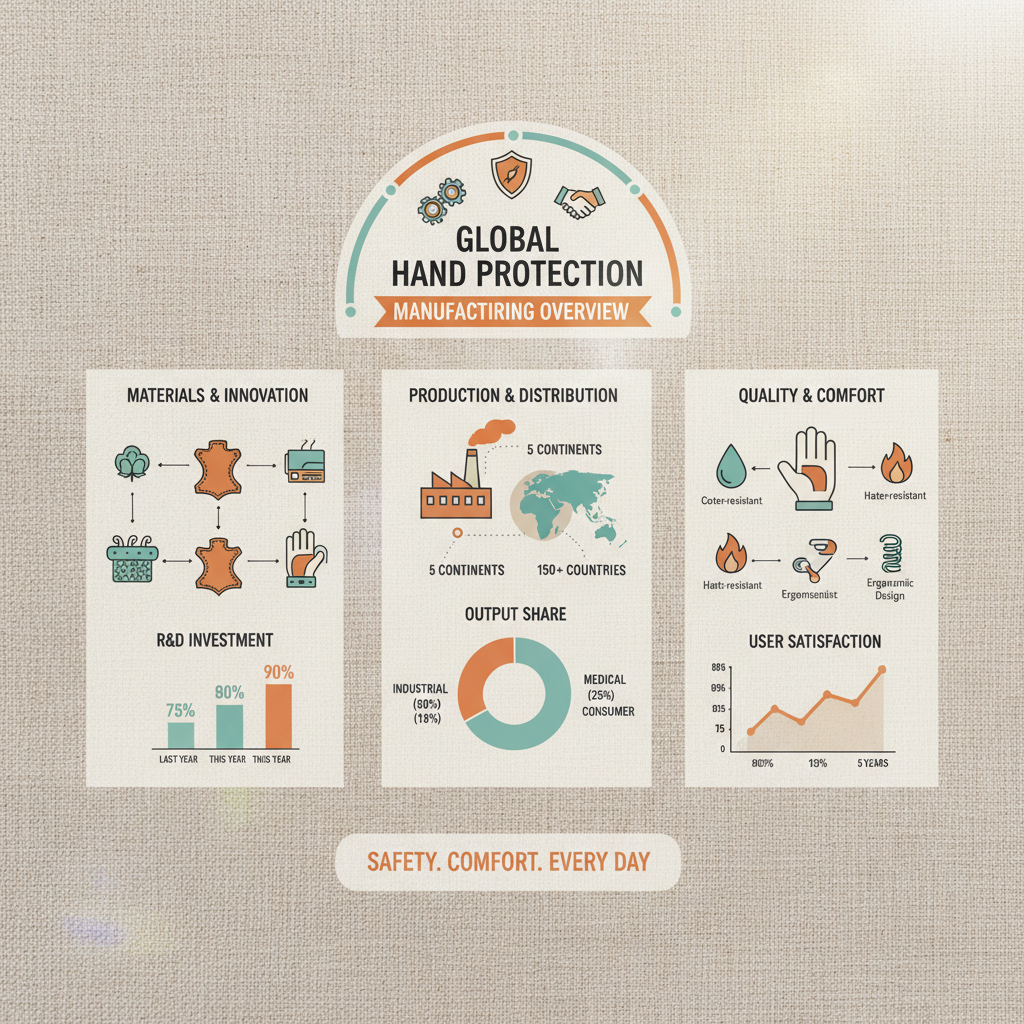
Industrial hand gloves manufacturers play a critical role in global safety and productivity. They are essential across numerous sectors, from construction and manufacturing to healthcare and food processing, protecting workers from hazards and enabling efficient operation. The demand for high-quality industrial hand gloves is consistently rising, driven by increasing industrialization, stricter safety regulations, and a growing awareness of workplace safety. Understanding the nuances of this industry – from materials and manufacturing processes to standards and emerging technologies – is vital for businesses, safety professionals, and anyone involved in supply chain management.
The global market for industrial hand gloves is substantial and continuously evolving. Reports estimate the market size to be in the billions of dollars, with significant growth projected in the coming years. This growth is fuelled by rapid industrial expansion in emerging economies, particularly in Asia-Pacific, as well as a growing focus on worker protection in developed nations. Furthermore, advancements in glove technology, such as cut-resistant materials and specialized coatings, are driving demand for higher-performance products. Understanding the key players among industrial hand gloves manufacturers is crucial for navigating this dynamic landscape.
Ultimately, effective hand protection isn't merely about compliance; it's about safeguarding a company's most valuable asset: its people. Investing in high-quality gloves from reputable industrial hand gloves manufacturers reduces the risk of workplace injuries, improves worker morale, and minimizes costly downtime. It’s a strategic decision that directly impacts a business's bottom line and its long-term success.

Introduction to Industrial Hand Gloves Manufacturers
Industrial hand gloves manufacturers aren't simply producers of protective wear; they are crucial enablers of safe and efficient operations across a vast range of industries. These manufacturers design, develop, and produce gloves specifically engineered to protect hands from a multitude of workplace hazards, including abrasions, cuts, punctures, chemicals, heat, and electricity. They cater to diverse needs, offering a wide array of materials, sizes, and specialized features to meet industry-specific requirements.
The success of industrial hand gloves manufacturers depends on a deep understanding of materials science, ergonomic design, and rigorous quality control. They must stay abreast of evolving safety standards and regulations, such as those set by ANSI (American National Standards Institute) and EN (European Norms), to ensure their products provide adequate protection. Furthermore, responsiveness to customer needs and the ability to innovate in glove technology are key differentiators in a competitive market.
Defining Industrial Hand Gloves Manufacturers
Industrial hand gloves manufacturers are companies dedicated to the production of gloves designed for use in industrial settings. Unlike general-purpose gloves, industrial gloves are constructed with specific materials and features to address the unique hazards encountered in various workplaces. These manufacturers often specialize in particular types of gloves, such as cut-resistant gloves for metalworking, chemical-resistant gloves for laboratories, or heat-resistant gloves for foundries. The definition also encompasses companies that design gloves and outsource manufacturing, as well as those that distribute gloves produced by others, provided they maintain quality control and adhere to relevant standards.
The industry’s connection to modern industry is inextricable. As automation and advanced manufacturing processes become more prevalent, the need for specialized hand protection grows. Simultaneously, a heightened awareness of worker safety, driven by regulatory bodies and employee advocacy, has fueled demand for higher-quality, more effective gloves. These manufacturers are integral to maintaining worker wellbeing and ensuring operational efficiency.
In humanitarian contexts, the role of industrial hand gloves manufacturers extends to providing protective gear for disaster relief workers, sanitation crews, and medical personnel responding to emergencies. Durable and reliable gloves are essential for protecting responders from hazardous materials, sharp debris, and infectious agents, enabling them to perform their duties safely and effectively.
Key Factors in Glove Manufacturing
Durability is a paramount concern for industrial hand gloves manufacturers. Gloves must withstand repeated use, exposure to harsh environments, and the stresses of various tasks without failing. This requires the selection of robust materials, such as reinforced polymers, treated leathers, and high-strength fabrics. Manufacturers employ rigorous testing procedures to ensure their gloves meet or exceed industry standards for abrasion resistance, tear strength, and puncture resistance.
Scalability refers to a manufacturer’s ability to adjust production capacity to meet fluctuating demand. This is particularly important in industries with seasonal peaks or in response to unexpected events, such as pandemics or natural disasters. Manufacturers with scalable operations can quickly ramp up production to fulfill large orders without compromising quality or delivery times. This often involves investing in automated manufacturing equipment and establishing a flexible supply chain.
Cost-efficiency is another critical factor. While quality cannot be sacrificed, manufacturers must strive to optimize their production processes and minimize material costs to offer competitive pricing. This often involves implementing lean manufacturing principles, streamlining supply chain logistics, and exploring alternative materials without compromising performance.
Ergonomic design is often overlooked but significantly impacts worker comfort and productivity. Gloves that fit poorly or restrict hand movement can lead to fatigue, discomfort, and even musculoskeletal disorders. Manufacturers are increasingly focusing on ergonomic design principles, such as tapered fingers, breathable materials, and adjustable closures, to create gloves that provide a comfortable and secure fit.
Global Applications and Use Cases
Industrial hand gloves manufacturers serve a remarkably diverse range of industries. In the construction sector, gloves protect workers from abrasions, cuts, and impacts while handling tools and materials. The automotive industry relies on gloves to shield workers from chemicals, oils, and sharp edges during assembly and maintenance operations. In the healthcare sector, gloves are essential for preventing the spread of infection and protecting healthcare professionals from hazardous substances.
In post-disaster relief operations, industrial hand gloves manufacturers provide essential protective gear for first responders, enabling them to safely clear debris, handle hazardous materials, and provide medical assistance. In remote industrial zones, such as mining operations and oil rigs, gloves are critical for protecting workers from harsh environmental conditions and hazardous materials.
Geographically, North America and Europe represent significant markets for high-performance industrial gloves, driven by stringent safety regulations and a focus on worker wellbeing. However, the Asia-Pacific region is experiencing the fastest growth in demand, fuelled by rapid industrialization and increasing investment in workplace safety. Manufacturers are increasingly expanding their operations and distribution networks in these regions to capitalize on these opportunities.
Industrial Hand Gloves Manufacturers – Performance by Material Type
Advantages and Long-Term Value
Investing in quality gloves from reputable industrial hand gloves manufacturers translates directly into cost savings. By preventing workplace injuries, companies reduce medical expenses, workers' compensation claims, and lost productivity. A safer work environment also boosts employee morale and retention, further minimizing costs associated with turnover and training. The return on investment can be substantial, often exceeding the initial cost of the gloves.
Sustainability is becoming increasingly important. Manufacturers are responding by developing gloves made from recycled materials and implementing environmentally responsible production processes. These efforts not only reduce the environmental impact of glove manufacturing but also appeal to businesses committed to corporate social responsibility. The long-term value lies in a reduced ecological footprint and a positive brand image.
Future Trends and Innovations
The integration of smart technologies is poised to revolutionize the industrial hand gloves market. Researchers are developing gloves equipped with sensors that can monitor hand movements, detect fatigue, and provide real-time feedback to workers. These “smart gloves” can also be used to collect data on work processes, identify potential hazards, and improve safety protocols. This represents a significant leap forward in proactive safety management.
Developments in nanomaterials are leading to the creation of gloves with enhanced strength, flexibility, and chemical resistance. Graphene, for example, is being explored as a coating material to provide superior cut protection and abrasion resistance while maintaining a lightweight and comfortable fit. These advancements promise to deliver a new generation of gloves that offer unparalleled performance and protection.
Challenges and Solutions for Manufacturers
One significant challenge facing industrial hand gloves manufacturers is the rising cost of raw materials, particularly natural rubber and synthetic polymers. This can put pressure on profit margins and force manufacturers to seek alternative materials or implement cost-reduction strategies. Building resilient supply chains and diversifying sourcing options are crucial for mitigating this risk.
Maintaining consistent quality control across large-scale production runs is another challenge. Manufacturers must invest in robust quality assurance systems, including automated inspection technologies and rigorous testing procedures, to ensure that all gloves meet required standards. Investing in employee training and empowering quality control personnel are also essential.
Adapting to evolving safety regulations and customer demands requires ongoing innovation and investment in research and development. Manufacturers must proactively anticipate future trends and develop new products that address emerging needs. Collaboration with industry associations and research institutions can facilitate this process and accelerate the pace of innovation.
Summary of Key Challenges and Solutions in Industrial Hand Gloves Manufacturing
| Challenge |
Impact on Manufacturers |
Proposed Solution |
Implementation Cost (1-10) |
| Rising Raw Material Costs |
Reduced Profit Margins, Price Increases |
Diversified Sourcing, Alternative Materials |
6 |
| Quality Control Consistency |
Product Defects, Customer Dissatisfaction |
Automated Inspection, Employee Training |
8 |
| Evolving Safety Regulations |
Compliance Issues, Product Recalls |
Proactive Regulatory Monitoring, R&D |
7 |
| Supply Chain Disruptions |
Production Delays, Increased Costs |
Resilient Supply Chain, Strategic Inventory |
5 |
| Competition from Low-Cost Producers |
Price Wars, Market Share Loss |
Innovation, Value-Added Services |
6 |
| Demand for Sustainable Products |
Lost Market Opportunities, Negative Brand Perception |
Eco-Friendly Materials, Sustainable Production |
7 |
FAQS
The most common materials include nitrile, latex, PVC, leather, and various synthetic fabrics like Kevlar and Dyneema. Nitrile offers excellent chemical resistance and durability, latex provides flexibility and tactile sensitivity, PVC is cost-effective for general use, leather offers abrasion resistance, and Kevlar/Dyneema provide exceptional cut resistance. The choice depends on the specific hazards of the application.
Proper glove fit is crucial for both comfort and protection. Measure the circumference of your hand across the palm and compare it to the manufacturer's sizing chart. Gloves that are too loose can compromise dexterity and allow hazards to enter, while gloves that are too tight can restrict movement and cause fatigue. Many manufacturers offer gloves in a range of sizes to ensure a comfortable and secure fit.
Look for gloves certified by ANSI (American National Standards Institute) or EN (European Norms). These certifications indicate that the gloves have been tested and meet specific performance standards for resistance to cuts, abrasions, punctures, chemicals, and other hazards. Specific standards to look for include ANSI/ISEA 105 for cut resistance and EN 388 for mechanical hazards.
The lifespan of industrial hand gloves depends on the frequency of use and the severity of the hazards they are exposed to. Gloves should be replaced immediately if they show signs of damage, such as tears, punctures, or chemical degradation. Even without visible damage, gloves should be replaced regularly, according to the manufacturer’s recommendations or after a predetermined period of use.
Disposable gloves are designed for single-use applications and are typically made from latex, nitrile, or vinyl. They are ideal for situations where contamination is a concern, such as medical procedures or food handling. Reusable gloves are made from more durable materials, such as leather or reinforced fabrics, and can be cleaned and reused multiple times, making them a more cost-effective option for long-term use.
Store gloves in a cool, dry, and well-ventilated area away from direct sunlight, heat sources, and chemicals. Avoid storing gloves in a compressed state, as this can damage the material. Store different types of gloves separately to prevent cross-contamination. Regularly inspect gloves for any signs of degradation or damage before use.
Conclusion
In conclusion, industrial hand gloves manufacturers are critical players in safeguarding workers and enabling efficient operations across a wide range of industries. From selecting the right materials to adhering to stringent safety standards, these manufacturers are responsible for providing the protective gear that keeps hands safe from a multitude of hazards. Understanding the key factors that drive glove manufacturing, such as durability, scalability, and cost-efficiency, is essential for businesses seeking to invest in high-quality hand protection.
Looking ahead, the future of industrial hand gloves will be shaped by technological advancements, such as smart gloves and nanomaterials, as well as a growing emphasis on sustainability and worker wellbeing. By embracing innovation and prioritizing quality, industrial hand gloves manufacturers can continue to play a vital role in creating safer and more productive workplaces around the globe. For superior industrial hand protection solutions, visit our website at industrial hand gloves manufacturers.