

lbanner
0%

Table of Contents

The global demand for protective gear, particularly plastic gloves, has surged in recent decades, driven by heightened awareness of hygiene standards, advancements in healthcare, and increasing industrialization. As a leading plastic gloves manufacturer, HMD Glove understands the critical role these products play in safeguarding health and safety across diverse sectors. The need for reliable, high-quality plastic gloves is paramount, impacting everything from medical procedures and food handling to laboratory research and everyday cleaning. Understanding the intricacies of plastic gloves manufacturing, material science, and quality control is therefore more important than ever.

The landscape of the plastic gloves manufacturer industry is complex, influenced by factors such as raw material costs, global supply chains, and evolving regulatory requirements. Innovation in materials – like nitrile, latex, and vinyl – alongside manufacturing processes are continuously shaping the market. This has resulted in a diverse range of glove types tailored to specific applications, each offering unique benefits in terms of durability, sensitivity, and chemical resistance.

A reliable plastic gloves manufacturer like HMD Glove is not merely a supplier, but a crucial partner in ensuring public health and operational efficiency. Investing in a robust supply chain, prioritizing rigorous quality assurance, and adapting to emerging challenges are hallmarks of successful and responsible glove production.

plastic gloves manufacturer

The Importance of Plastic Gloves Manufacturing
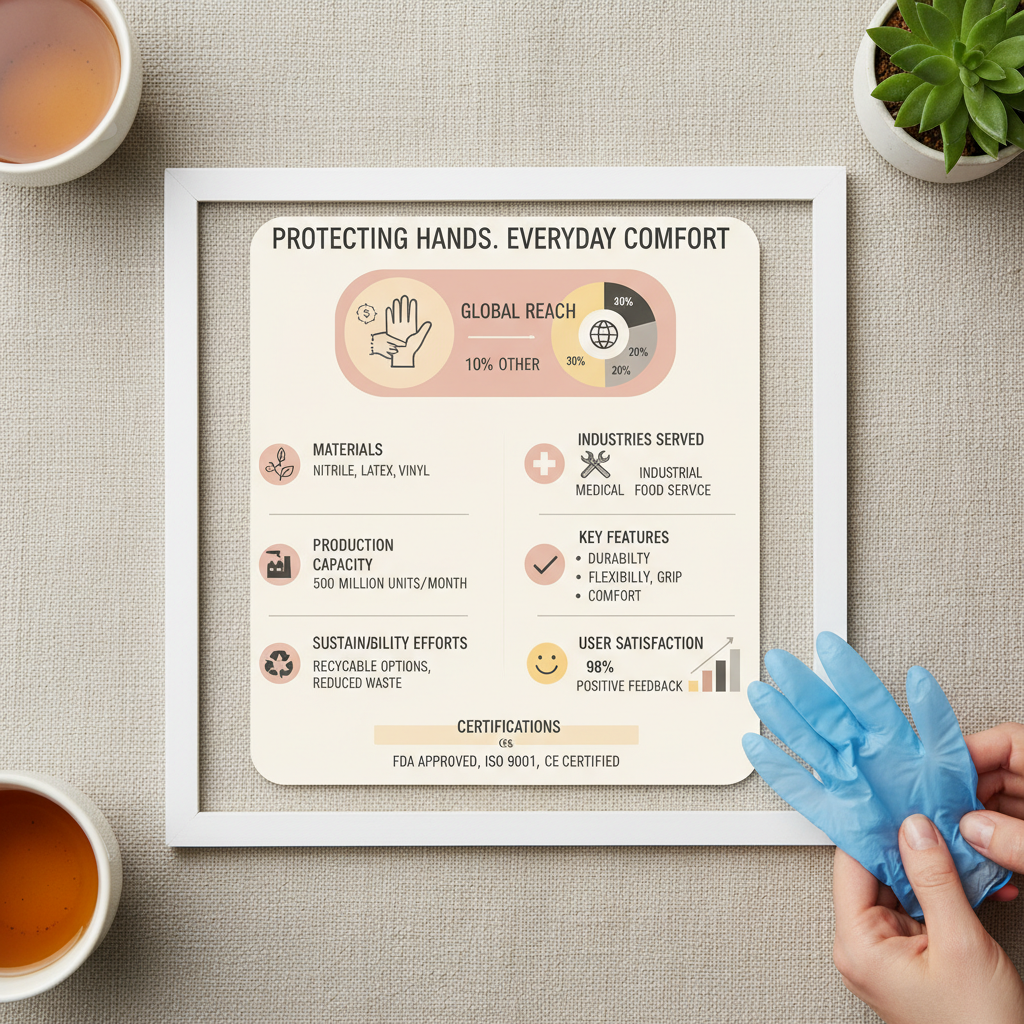
plastic gloves manufacturer

Plastic gloves manufacturing is a cornerstone of modern hygiene and safety protocols across countless industries. From protecting healthcare professionals during medical procedures to ensuring food safety in processing plants, these gloves act as a crucial barrier against contamination and disease transmission. A dependable plastic gloves manufacturer is therefore integral to maintaining public health standards.

The sector’s importance extends beyond reactive protection; plastic gloves also play a proactive role in preventing cross-contamination in research laboratories, safeguarding electronic components during assembly, and enabling precise handling in various industrial applications. HMD Glove recognizes that quality and reliability are non-negotiable in these critical situations.

Defining Plastic Gloves Manufacturing

Plastic gloves manufacturing encompasses the processes involved in creating disposable or reusable hand coverings from various polymer materials. These materials commonly include nitrile, latex, vinyl, and polyethylene, each offering unique properties in terms of flexibility, chemical resistance, and cost. The manufacturing process typically involves compounding raw materials, extrusion or molding into glove shapes, curing or drying, and rigorous quality control checks.

The industry's connection to modern needs is profound. The rise of sterile practices in medicine, the increasing demands for food safety regulations, and the growth of industries requiring precise handling of sensitive materials have all fueled the expansion of plastic glove production. Plastic gloves manufacturers are constantly adapting to meet these evolving requirements.

Fundamentally, plastic gloves manufacturing is about providing a protective barrier, minimizing risk, and enabling safe and efficient operations in diverse settings. It’s a crucial element of both public health infrastructure and industrial productivity.

Key Factors in Plastic Glove Production

Several key factors determine the quality and performance of plastic gloves. Material Selection is paramount, as the chosen polymer dictates the glove's resistance to chemicals, punctures, and allergens. Different applications demand different materials – for instance, nitrile gloves are often preferred in medical settings due to their latex-free nature.

Manufacturing Process Control is equally vital. Consistent extrusion, molding, and curing processes are essential for ensuring uniform thickness, strength, and elasticity. Advanced technologies and automated systems are increasingly employed to enhance precision and minimize defects. A leading plastic gloves manufacturer prioritizes stringent process controls.

Quality Assurance Testing is a critical final step. Gloves are subjected to rigorous tests for tensile strength, elongation, puncture resistance, and chemical permeability to ensure they meet industry standards and customer specifications. Adherence to ISO certifications further validates quality and reliability. Finally, Cost Efficiency influences competitiveness, driving innovation in material utilization and process optimization.

Global Applications of Plastic Gloves

The applications of plastic gloves are incredibly diverse, spanning numerous industries and regions. In the healthcare sector, gloves are indispensable for surgeons, nurses, and other medical personnel, preventing the spread of infections and protecting patients and staff. Demand is particularly high in regions with robust healthcare systems and aging populations.

The food processing industry relies heavily on plastic gloves to maintain hygiene standards and prevent contamination of food products. This is especially critical in regions with large-scale food production and export industries. In industrial settings, gloves safeguard workers from hazardous chemicals, abrasions, and extreme temperatures, particularly in manufacturing, automotive, and construction sectors.

Furthermore, plastic gloves are vital in laboratory research, where they protect scientists from exposure to potentially harmful substances. In post-disaster relief operations, they provide essential protection for volunteers and aid workers. Even in everyday life, plastic gloves are increasingly used for cleaning, gardening, and other household tasks.

Plastic Gloves Manufacturing Efficiency by Method

Advantages and Long-Term Value

The advantages of using high-quality plastic gloves extend far beyond immediate protection. Cost-effectiveness is a significant benefit, particularly when considering the long-term costs associated with infection control and workplace safety. Plastic gloves manufacturers like HMD Glove can offer competitive pricing without compromising quality.

Enhanced Safety is perhaps the most critical benefit, reducing the risk of contamination, chemical exposure, and the spread of infectious diseases. This translates to improved worker health, reduced healthcare costs, and enhanced public safety. The Reliability and consistency offered by reputable manufacturers build trust and ensure predictable performance.

Future Trends and Innovations

The plastic gloves manufacturing industry is experiencing a surge in innovation driven by sustainability concerns and technological advancements. Biodegradable materials are gaining traction as manufacturers explore alternatives to traditional plastics, reducing environmental impact.

Automation and Robotics are being implemented to optimize production processes, increase efficiency, and reduce labor costs. Digital transformation is enabling better supply chain management and improved quality control. Looking ahead, advancements in materials science could lead to gloves with enhanced dexterity, sensitivity, and resistance to a wider range of hazards.

Challenges and Solutions for Manufacturers

Plastic gloves manufacturers face several challenges, including fluctuating raw material prices, stringent regulatory requirements, and increasing demand for sustainable solutions. Maintaining consistent quality control, managing supply chain disruptions, and addressing labor shortages are also ongoing concerns.

Innovative solutions include diversifying sourcing strategies, investing in research and development of bio-based materials, and implementing advanced manufacturing technologies. Collaboration across the supply chain and proactive engagement with regulatory bodies are crucial for navigating these challenges effectively.

Furthermore, embracing circular economy principles – such as recycling and repurposing glove materials – can contribute to a more sustainable and responsible industry.

Analysis of Key Performance Indicators for Plastic Glove Manufacturers

Material Cost (%) Production Yield (%) Defect Rate (%) Customer Satisfaction (1-10)
35% 92% 1.5% 8.5
40% 88% 2.0% 7.0
30% 95% 1.0% 9.0
38% 90% 1.8% 7.8
32% 93% 1.2% 8.2
42% 85% 2.5% 6.5

FAQS

What types of plastic materials are commonly used in glove manufacturing?

The most common materials are nitrile, latex, vinyl, and polyethylene. Nitrile offers excellent chemical resistance and is latex-free, making it ideal for medical use. Latex provides high elasticity and tactile sensitivity but can cause allergies. Vinyl is a cost-effective option, while polyethylene is often used for lighter-duty applications. Choosing the right material depends on the intended use and required protection levels.

How does a manufacturer ensure the quality and consistency of plastic gloves?

Quality assurance is paramount. Manufacturers employ rigorous testing procedures throughout the production process, including tensile strength tests, elongation tests, puncture resistance tests, and chemical permeability tests. They also adhere to industry standards like ISO certifications and conduct regular audits to ensure consistency. Effective process control and skilled personnel are also vital for maintaining high quality.

What are the main differences between nitrile and latex gloves?

Nitrile gloves are synthetic and latex-free, offering excellent chemical resistance and reducing the risk of allergic reactions. Latex gloves are natural rubber and provide superior elasticity and tactile sensitivity, but can cause allergies in some individuals. Nitrile is generally more expensive than latex, but its broader application range and safety profile make it a popular choice.

What is the shelf life of plastic gloves?

The shelf life of plastic gloves varies depending on the material and storage conditions. Generally, nitrile and vinyl gloves can last for up to 5 years when stored in a cool, dry, and dark environment, away from direct sunlight and extreme temperatures. Latex gloves have a shorter shelf life, typically around 3 years. It's crucial to check the manufacturer's expiration date and inspect gloves for any signs of degradation before use.

How are plastic gloves being made more sustainable?

Sustainability efforts include developing biodegradable plastic materials, reducing waste during production, and implementing recycling programs. Manufacturers are also exploring bio-based alternatives to traditional plastics and optimizing packaging to minimize environmental impact. The shift towards circular economy principles, where materials are reused and repurposed, is gaining momentum within the industry.

What certifications should I look for when choosing a plastic gloves manufacturer?

Key certifications include ISO 9001 (quality management), ISO 13485 (medical devices), and CE marking (European conformity). These certifications demonstrate the manufacturer’s commitment to quality, safety, and regulatory compliance. Additionally, look for manufacturers who adhere to Good Manufacturing Practices (GMP) and have undergone independent audits to verify their processes.

Conclusion

In conclusion, plastic gloves manufacturing is a vital industry with far-reaching implications for public health, workplace safety, and economic productivity. From material selection and manufacturing process control to quality assurance and sustainability initiatives, a multitude of factors contribute to the production of reliable and effective protective gloves. A reputable plastic gloves manufacturer understands these nuances and consistently strives for innovation and excellence.

Looking ahead, the industry will continue to evolve, driven by the demand for sustainable solutions, advanced materials, and cutting-edge technologies. By embracing innovation and prioritizing quality, manufacturers can ensure that plastic gloves remain an essential tool in safeguarding health and well-being for years to come. Visit our website: www.hmdglove.com to learn more about our commitment to excellence.

David Miller

David Miller

David Miller is the Head of Product Assurance at Shijiazhuang HongMeiDa Trading Co., Ltd. With over 15 years of experience in quality control and manufacturing, David ensures all gloves meet stringent ISO9001 standards. He’s deeply involved in the raw material selection process – prioritizing 100% long-staple cotton, polyester, and spandex blends – and oversees rigorous testing for wear resistance, cut resistance, and temperature protection. David is passionate about delivering consistently high-quality hand protection solutions to our clients. He often contributes to industry publications discussing the importance of proper glove selection for various work environments and has spearheaded several initiatives to improve our functional testing procedures. He joined HongMeiDa in 2012 and consistently strives to elevate our product performance.
Previous Expert Industrial Hand Gloves Manufacturers for Workplace Safety Solutions
Next Comprehensive Guide to Plastic Hand Gloves Manufacturer and Industry Trends

If you are interested in our products, you can choose to leave your information here, and we will be in touch with you shortly.