

Ski glove manufacturers are crucial components in the global winter sports industry, providing essential protection and performance gear for skiers and snowboarders worldwide. Their expertise lies not only in crafting durable and weather-resistant gloves but also in innovating materials and designs to enhance the user experience. The demand for high-quality ski gloves is consistently driven by the popularity of winter sports, making this a dynamic and evolving sector.
The industry encompassing ski glove manufacturers is a significant economic force, impacting raw material suppliers, manufacturing facilities, distribution networks, and retail channels. Global factors such as climate change, which influences snowfall patterns and ski season lengths, and consumer trends towards sustainable and technologically advanced products, play vital roles in shaping the future of these manufacturers. Understanding this landscape is key for businesses aiming to thrive in a competitive market.
The benefits of understanding ski glove manufacturers extend beyond mere product knowledge. It allows for better supply chain management, informed investment decisions, and the ability to respond to evolving market needs. By appreciating the complexities of this industry, businesses can position themselves for success and contribute to the continued growth and innovation within winter sports.
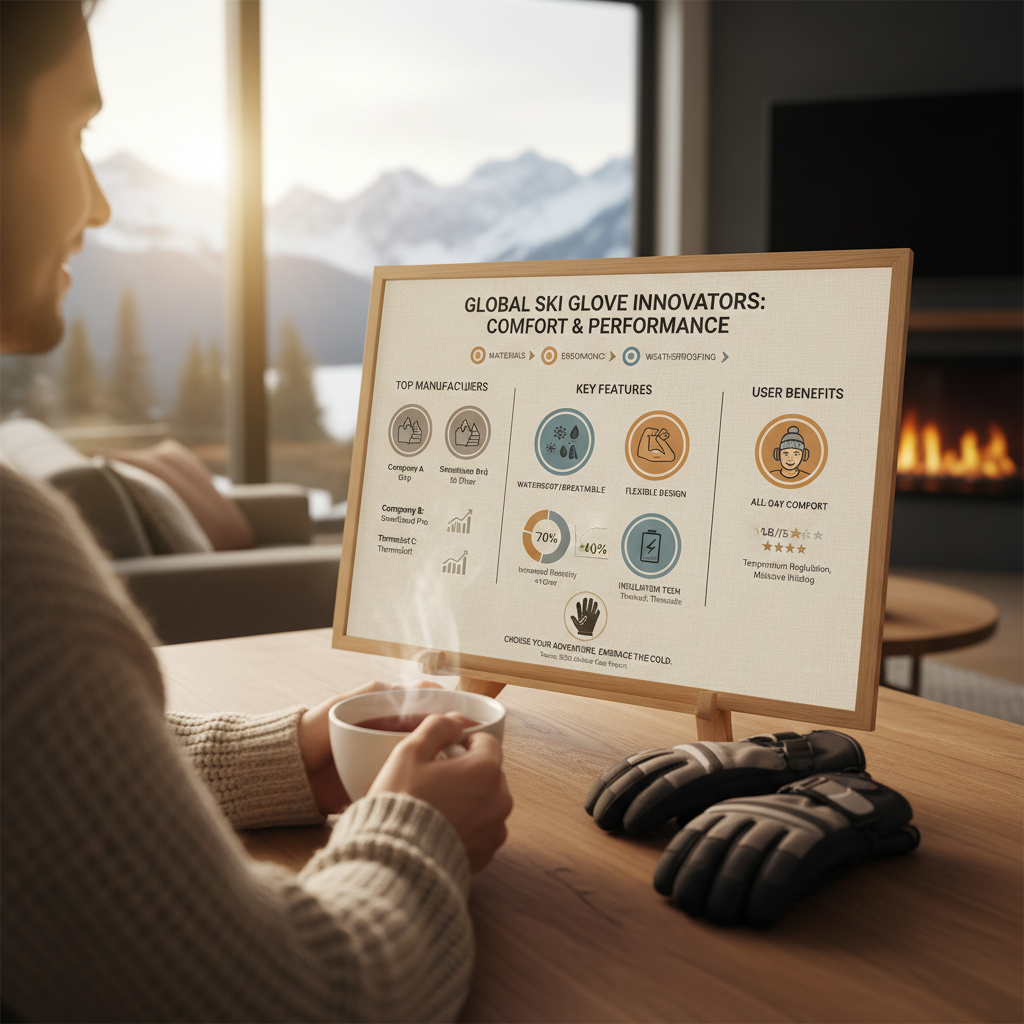
The Importance of Ski Glove Manufacturers
Ski glove manufacturers aren't just about making gloves; they are vital to the entire winter sports ecosystem. They are at the forefront of material science, constantly developing innovative fabrics and insulation technologies to enhance warmth, water resistance, and dexterity. Without skilled manufacturers, the performance and safety of skiers and snowboarders would be severely compromised.
The quality of a ski glove significantly impacts the user’s experience. Manufacturers must balance factors such as comfort, durability, grip, and breathability to create products that meet the diverse needs of athletes and recreational skiers alike. This demands rigorous testing, meticulous craftsmanship, and a deep understanding of the challenges faced on the slopes.
FAQS
High-performance ski gloves typically utilize a combination of materials. Outer shells are often constructed from durable, waterproof, and breathable fabrics like Gore-Tex or nylon. Insulation commonly consists of materials like PrimaLoft or Thinsulate, providing warmth without bulk. Leather, both natural and synthetic, is frequently used for palms and reinforcements for grip and durability. The optimal choice depends on the intended use and weather conditions.
Waterproof rating is critically important when choosing ski gloves, especially for skiers and snowboarders who spend significant time in wet snow or challenging conditions. A higher waterproof rating (measured in millimeters) indicates better protection against moisture penetration. Ratings of 10,000mm or higher are generally recommended for consistent waterproof performance, while ratings of 20,000mm or more are ideal for extreme weather. Breathability is also key, allowing moisture vapor to escape.
Gauntlet ski gloves extend past the wrist, providing a more secure seal against snow and cold. They are ideal for deep powder and challenging conditions. Wrist-strap gloves feature a shorter cuff and a strap to tighten around the wrist. They offer more dexterity but less protection against the elements. The best choice depends on your skiing style and the typical weather conditions you encounter.
Proper care extends the life of your ski gloves. After each use, allow them to air dry completely. Avoid direct heat sources, as this can damage the materials. Regularly treat waterproof coatings with a compatible re-waterproofing spray. Store gloves in a dry, well-ventilated area. Avoid storing them crumpled or compressed, as this can damage the insulation.
Yes, ski gloves are often categorized based on the temperature ranges they are designed for. Lightweight gloves with minimal insulation are suitable for milder conditions, while heavily insulated gloves are best for extremely cold temperatures. Manufacturers typically provide temperature ratings to help consumers choose the appropriate gloves for their skiing environment. Consider layering gloves with liner gloves for added warmth and versatility.
Individuals with arthritis should prioritize ski gloves with features that promote warmth, comfort, and ease of use. Look for gloves with ample insulation, a soft lining, and a wider wrist opening for easier access. Gloves with adjustable wrist straps and pre-curved fingers can also enhance comfort and dexterity. Consider gloves with built-in wrist supports for added stability.
Conclusion
In conclusion, ski glove manufacturers play a critical role in the winter sports industry, providing essential protective gear that directly impacts the safety, comfort, and performance of skiers and snowboarders worldwide. Understanding the core components of successful manufacturing, key performance indicators, and emerging trends is crucial for navigating this dynamic market. The commitment to innovation, sustainability, and customer satisfaction will define the leaders in this field.
Looking ahead, the ski glove industry will continue to evolve, driven by technological advancements and changing consumer expectations. By embracing these changes and prioritizing quality, functionality, and sustainability, manufacturers can secure their position in the market and contribute to the continued growth and enjoyment of winter sports. For high-quality ski gloves and manufacturing expertise, visit our website: hmdglove.com.
Related Posts
-

Exploring the Landscape of Leading Nitrile Glove Companies and Their Impact
-

Exploring Innovative Safety Gloves Manufacturers and Material Advancements
-

Essential Role of a Protective Gloves Manufacturer in Global Workplace Safety
-
Industrial Microfibre Gloves for Precision Manufacturing and Clean Rooms

Ethan Turner
Ethan is the Marketing Director at Cangzhou Jiujiang, focusing on expanding the brand's presence in North America. With over a decade of experience in outdoor apparel marketing, Ethan leverages his knowledge to promote the company’s PU rainwear, emphasizing its BSCI and GRS certifications.
If you are interested in our products, you can choose to leave your information here, and we will be in touch with you shortly.


