

Honestly, things are moving fast these days. Everyone's talking about lightweight, high-strength materials, and modular designs. It's all about prefabrication, you know? Cut down on site work, speed things up. But you gotta be careful. I’ve seen too many "innovations" that look good on paper but fall apart the second a real crew gets their hands on them.
Have you noticed how everyone's obsessed with carbon fiber? It's strong, yeah, but it splinters like crazy if you’re not careful. And the dust…ugh. Gets everywhere. You need serious PPE just to cut the stuff. Then there’s the cost. Astronomical. We’re playing with high-performance polymers a lot more these days. They're a bit more forgiving, less messy, and usually, a little kinder to the budget.
We’re using a lot of UHMWPE – Ultra-High-Molecular-Weight Polyethylene – for liners and wear pads. It feels…slippery. Kind of waxy, almost. Smells a bit like plastic when you machine it, but it’s incredibly durable. And the expanded polypropylene (EPP)? That stuff’s brilliant for impact absorption. Light as a feather. I remember once, back at the Xidian plant, I accidentally dropped a whole stack of EPP forms from a platform… didn't even scratch the concrete. Try that with steel!
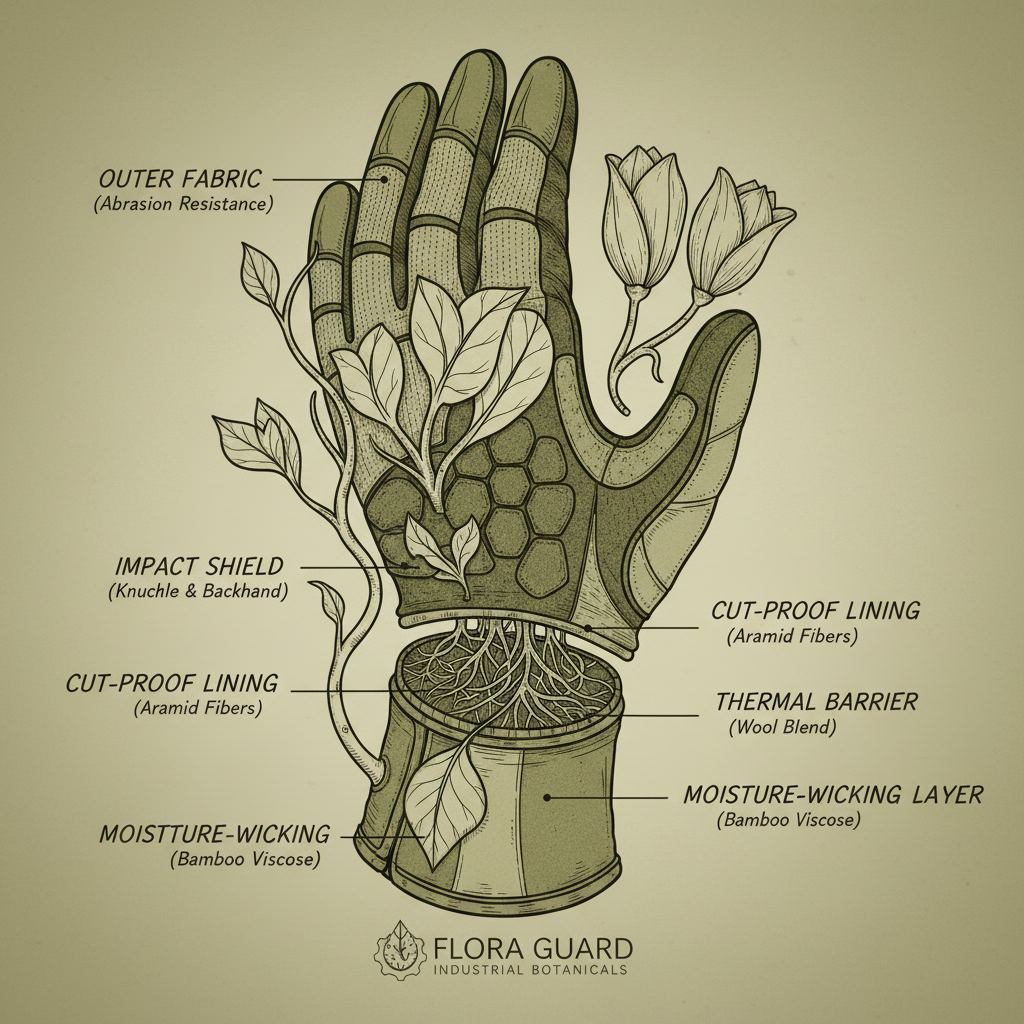
The Current Landscape of safety gloves manufacturers

To be honest, the whole industry's obsessed with efficiency right now. Everything has to be faster, cheaper, lighter. There’s a huge push for prefabrication and modularity – fewer guys on ladders, less reliance on skilled labor, all that jazz. It's good, in theory.
But it also means people are cutting corners on materials. They’re going with the cheapest option, even if it doesn’t hold up long-term. I see it all the time. And the regulations…well, they’re trying to keep up, but they’re always a step behind. The suppliers are always pushing the limits.
safety gloves manufacturers are expanding geographically, too. A lot of production’s shifted to Southeast Asia, but there's a growing demand for local manufacturing, especially for specialized components. It’s a complex picture, constantly shifting.
FAQS
Honestly, it's rushing the foundation. People think they can just slap it down and it'll be fine. They don't account for settling, drainage, or soil conditions. A bad foundation ruins everything. I've pulled up entire systems because someone skimped on the base. It's frustrating, but it happens all the time. It's about taking the time to do it right the first time, even if it means a little extra work upfront. You can’t just wing it.
Stainless steel is usually the go-to, but even that has different grades. 316 stainless is better than 304 for really harsh conditions, especially saltwater. Alternatively, consider specialized coatings like epoxy or PTFE. It really depends on the specific chemicals involved and the level of exposure. I always recommend consulting with a materials engineer. Don't guess! A little investment in expertise can save you a lot of money in the long run.
Transport and handling. They're big, awkward, and expensive to move. You need a good logistics plan and a team that knows how to handle them properly. You can't just toss them off the back of a truck. I've seen too many damaged components because of poor handling. It adds up quickly! Proper packing and securing during transport is absolutely essential.
Definitely. Think about maintenance. Even the most durable systems require regular inspection and maintenance. And factor in the cost of spare parts. Things will break eventually. Also, consider the cost of training. Your crew needs to know how to install, operate, and maintain the system correctly. Cutting corners on training will lead to problems down the road.
It's huge. Modularity gives you flexibility. If you need to make changes, you can just swap out a module instead of replacing the entire system. It also makes repairs easier. And if you expand your operation, you can simply add more modules. I've seen countless projects where modularity saved time and money. It’s a game changer, really. But it needs to be well thought out. Poorly designed modular systems can be a nightmare.
It varies widely, depending on the materials, the environment, and the maintenance. But, if you use good materials, design it properly, and maintain it regularly, you should get at least 20-30 years out of it. And even then, it might just need some repairs or upgrades, not a complete replacement. I've seen systems that are 40 years old and still going strong. It’s all about quality and care.
Conclusion
Ultimately, safety gloves manufacturers offers significant advantages in terms of efficiency, cost-effectiveness, and durability – but only if it’s done right. Choosing the right materials, paying attention to detail, and prioritizing proper installation and maintenance are crucial. It’s not about finding the cheapest solution; it’s about finding the best value for your money.
And here's the thing. All the fancy calculations, the simulations, the lab tests… they don’t matter if it doesn’t work in the real world. Whether this thing works or not, the worker will know the moment he tightens the screw. That’s the ultimate test. You can visit our website at safety gloves manufacturers for more information.



Christopher Wilson
If you are interested in our products, you can choose to leave your information here, and we will be in touch with you shortly.


