

lbanner
0%

Table of Contents

The global demand for robust hand protection is ever-increasing, driving the growth of the safety glove factory industry. From manufacturing and construction to healthcare and emergency response, gloves are essential for protecting workers from hazards. A dedicated safety glove factory ensures a consistent supply of high-quality, certified safety gear, mitigating risks and promoting a safer working environment. Understanding the nuances of this industry, its manufacturing processes, and evolving standards is crucial for businesses and individuals prioritizing safety.

The efficiency and reliability of a safety glove factory directly impact workplace safety and productivity. A well-equipped factory employs advanced technologies, rigorous quality control measures, and skilled labor to produce gloves that meet or exceed industry standards like EN 388 and ANSI/ISEA 105. The ability to quickly adapt to changing market demands and offer customized solutions further enhances the value proposition of a specialized safety glove factory.

Investing in a reputable safety glove factory isn't simply about procuring a product; it’s about establishing a partnership built on trust and a shared commitment to worker well-being. The impact extends beyond individual protection, fostering a culture of safety and contributing to a more responsible and sustainable industrial landscape. This commitment ultimately translates into reduced accidents, lower insurance costs, and enhanced employee morale.

safety glove factory

The Importance of Safety Glove Factories
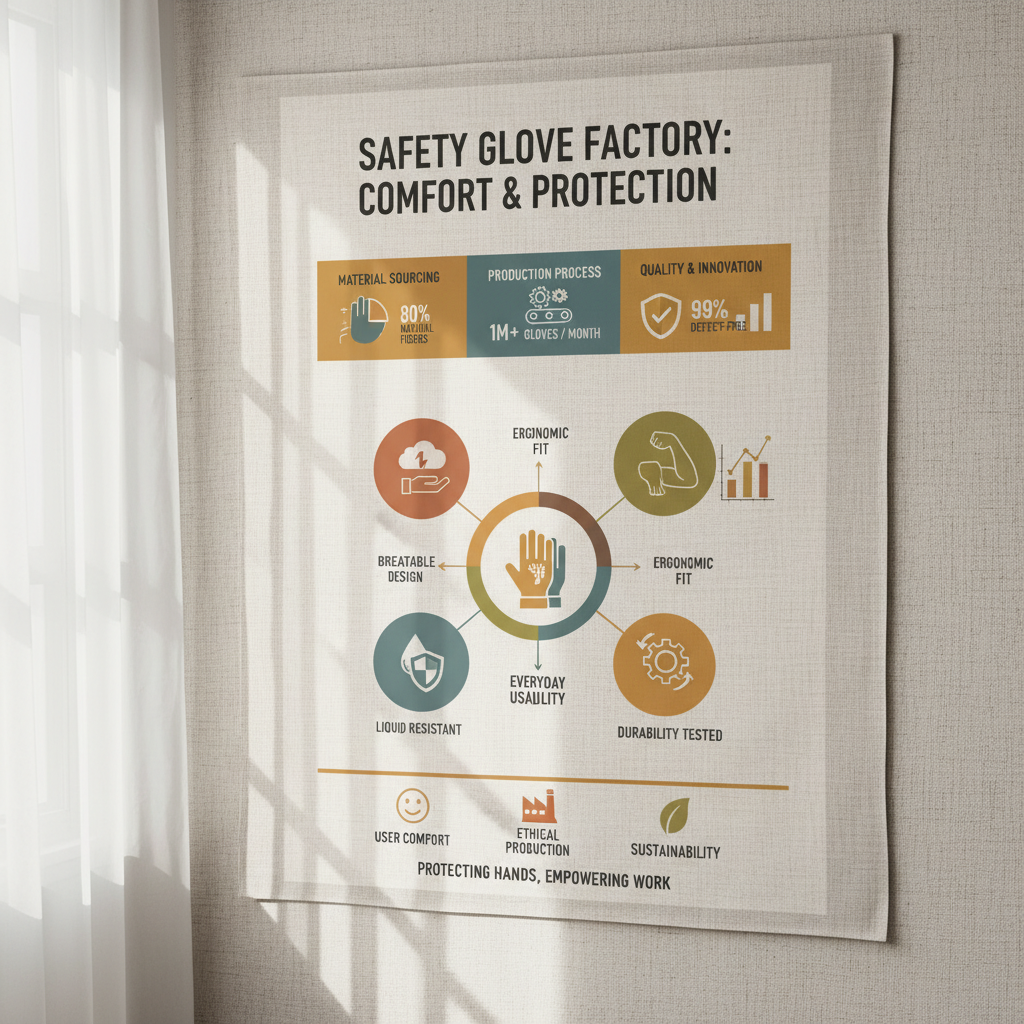
safety glove factory

A dedicated safety glove factory plays a critical role in safeguarding workers across diverse industries. The increasing complexity of modern work environments, coupled with stricter safety regulations, necessitates a consistent supply of high-performance protective gloves. These factories aren’t just manufacturers; they are essential partners in risk management and accident prevention. safety glove factory provides the backbone for numerous safety programs.

The rise of global manufacturing and supply chains highlights the need for reliable and ethically sourced safety gloves. A reputable safety glove factory prioritizes quality, compliance, and sustainability, ensuring that workers are equipped with the protection they deserve while minimizing environmental impact. This is not simply a matter of legal compliance but a commitment to corporate social responsibility.

Defining a Safety Glove Factory

A safety glove factory is a specialized manufacturing facility dedicated to the design, production, and distribution of protective handwear. Unlike general glove manufacturers, these factories focus specifically on gloves engineered to meet stringent safety standards. This specialization involves the use of advanced materials, rigorous testing procedures, and a deep understanding of workplace hazards.

The scope of a safety glove factory can vary, ranging from smaller, niche producers catering to specific industries to large-scale operations serving a global market. However, all such factories share a common goal: to provide reliable hand protection that minimizes the risk of injury in the workplace. Their products are often certified to comply with international standards, ensuring consistent performance and safety.

Furthermore, a modern safety glove factory integrates aspects of research and development, constantly innovating to address emerging hazards and improve glove performance. This often involves collaboration with industry experts, safety professionals, and end-users to identify unmet needs and develop solutions that enhance worker protection.

Core Components of a Successful Safety Glove Factory

Several core components are essential for the success of a safety glove factory. These include a robust supply chain for raw materials, advanced manufacturing equipment, a skilled and trained workforce, and a comprehensive quality control system. Efficient inventory management and logistics are also crucial for timely delivery of products.

Perhaps most importantly, a successful safety glove factory prioritizes compliance with relevant safety standards and regulations. This includes obtaining necessary certifications, conducting regular audits, and maintaining detailed documentation. Investment in research and development to constantly improve glove designs and materials is also a key element.

Finally, a commitment to sustainability and ethical manufacturing practices is becoming increasingly important. This includes responsible sourcing of materials, minimizing waste, and ensuring fair labor conditions. A modern safety glove factory recognizes that long-term success depends on operating responsibly and ethically.

Key Factors Influencing Safety Glove Production

The production of safety gloves is influenced by a number of key factors, including material selection, coating technology, manufacturing process, and quality control. The choice of materials (e.g., nitrile, latex, PVC, leather) directly impacts the glove’s resistance to specific hazards, such as punctures, abrasions, and chemicals.

Coating technology plays a crucial role in enhancing grip, dexterity, and overall performance. Different coatings offer varying levels of protection against oil, water, and other substances. The manufacturing process itself must be carefully controlled to ensure consistent quality and dimensional accuracy.

Safety Glove Production Efficiency Comparison

Global Applications and Industries Served

Safety gloves manufactured by specialized factories find applications across a vast range of industries. Construction workers rely on durable gloves to protect against abrasions and impact hazards. In the healthcare sector, gloves are essential for preventing the spread of infection. Automotive manufacturing requires gloves with resistance to oil and chemicals. safety glove factory plays a pivotal role in supporting these diverse sectors.

Industries such as oil and gas, chemical processing, and food handling demand gloves with specific properties, such as chemical resistance and food-grade certification. Emergency responders, including firefighters and police officers, require specialized gloves for protection in hazardous situations. The demand for safety gloves is truly global, with factories serving customers in North America, Europe, Asia, and beyond.

The Advantages of Partnering with a Dedicated Factory

Choosing a dedicated safety glove factory offers numerous advantages over sourcing from general manufacturers. Specialized factories possess in-depth knowledge of safety standards and regulations, ensuring that gloves meet required performance criteria. They are also more likely to offer customization options, allowing businesses to tailor gloves to their specific needs.

A dedicated factory can provide consistent quality, reliable supply, and responsive customer service. They are committed to continuous improvement and innovation, constantly refining their products and processes to meet evolving market demands. This focused approach translates into greater peace of mind and reduced risk for businesses.

Furthermore, a strong relationship with a safety glove factory fosters collaboration and allows for proactive identification of potential hazards and development of tailored solutions. This partnership approach enhances workplace safety and contributes to a more sustainable and responsible operation.

Future Trends and Innovations in Safety Glove Manufacturing

The future of safety glove manufacturing is poised for significant innovation. The development of new materials, such as advanced polymers and bio-based materials, promises to enhance glove performance and sustainability. Smart gloves equipped with sensors and connectivity are also emerging, providing real-time data on worker safety and environmental conditions.

Automation and robotics are increasingly being adopted in manufacturing processes to improve efficiency, reduce costs, and enhance quality control. 3D printing offers the potential for rapid prototyping and customized glove designs. A focus on circular economy principles, including recycling and reuse of materials, is also gaining momentum.

Increased emphasis on ergonomics and comfort will lead to gloves that provide superior dexterity and reduce hand fatigue. The integration of digital technologies, such as AI and machine learning, will enable predictive maintenance and optimized production scheduling, further improving efficiency and reducing downtime.

Key Aspects of Safety Glove Factory Performance Evaluation

Assessing the performance of a safety glove factory requires a holistic evaluation encompassing quality, cost, delivery, and innovation. A comprehensive performance review helps businesses identify areas for improvement and ensure a reliable supply of high-quality protective gear.

Understanding the key metrics associated with each aspect enables informed decision-making and fosters a strong, collaborative partnership. Regular evaluations and open communication are essential for optimizing performance and achieving mutual success. safety glove factory aims to provide consistent performance.

By focusing on these core elements, businesses can confidently select a safety glove factory that aligns with their values and supports their commitment to worker safety and operational excellence.

Table Summarizing Core Aspects of Safety Glove Factory Performance

Quality Assurance Production Cost Efficiency Delivery Reliability Innovation & R&D
Compliance with EN 388 & ANSI standards Raw material sourcing costs On-time delivery rate Investment in new materials
Defect rate (ppm) Labor costs per unit Lead time from order to delivery Number of patents filed annually
Batch traceability and documentation Waste reduction initiatives Inventory management efficiency Collaboration with research institutions
Regular quality audits Process optimization techniques Shipping cost per unit New product development cycle time
Customer feedback mechanisms Energy efficiency measures Order fulfillment accuracy Investment in employee training
Certifications (ISO 9001, etc.) Economies of scale Responsiveness to urgent orders Use of advanced manufacturing technologies

FAQS

What certifications should I look for in a safety glove factory?

When selecting a safety glove factory, prioritize certifications like ISO 9001 (quality management), ISO 14001 (environmental management), and relevant industry-specific standards such as EN 388 (hand protection) or ANSI/ISEA 105 (American National Standard for Hand Protection). These certifications demonstrate a commitment to quality, safety, and environmental responsibility. Verification of these claims through independent audits is also highly recommended. Understanding these standards ensures the gloves meet required performance levels and provide adequate protection for your workforce.

What is the typical lead time for custom glove orders?

The lead time for custom safety glove orders varies depending on the complexity of the design, material availability, and the factory's current production schedule. Generally, expect a lead time of 6-12 weeks for initial orders. Factors like specialized coatings, unique sizes, or specific material requests can extend this timeframe. Establishing clear communication with the factory and providing accurate specifications upfront is crucial for minimizing delays and ensuring timely delivery. Proactive planning is essential for managing inventory and meeting production demands.

How does a safety glove factory ensure consistent quality control?

A reputable safety glove factory implements a multi-layered quality control system throughout the entire manufacturing process. This includes rigorous inspection of raw materials, in-process quality checks at each stage of production, and final product testing to ensure compliance with relevant standards. Statistical Process Control (SPC) methods are often employed to monitor and control variation, while regular audits and inspections by independent certification bodies provide further assurance of quality consistency. Thorough documentation and traceability are also essential components of a robust quality control system.

What materials are commonly used in safety glove production?

Common materials used in safety glove production include nitrile, latex, PVC, neoprene, and various types of leather. Nitrile gloves are popular for their chemical resistance and durability, while latex offers excellent elasticity and sensitivity. PVC gloves provide good abrasion resistance and are cost-effective. Neoprene provides broader chemical protection, and leather is often used for heavy-duty applications requiring high abrasion resistance. Material selection depends on the specific hazards the gloves are intended to protect against.

How are sustainable practices incorporated into the manufacturing process?

Many modern safety glove factories are increasingly adopting sustainable practices to minimize their environmental impact. These practices include using recycled materials, reducing waste generation through efficient production processes, implementing water conservation measures, and utilizing energy-efficient technologies. Some factories are also exploring bio-based materials and closed-loop manufacturing systems. Transparency and traceability throughout the supply chain are also crucial components of a sustainable approach.

What is the role of testing and certification in ensuring glove performance?

Testing and certification are critical for verifying the performance of safety gloves and ensuring they meet required safety standards. Gloves are subjected to a range of tests, including abrasion resistance, puncture resistance, tear strength, and chemical resistance. Independent certification bodies, such as those accredited to EN ISO 17025, conduct these tests and issue certifications demonstrating compliance with relevant standards. This provides assurance to end-users that the gloves will perform as expected and offer adequate protection.

Conclusion

In conclusion, the safety glove factory industry is a vital component of workplace safety and risk management. A dedicated factory, committed to quality, innovation, and sustainability, provides essential protective gear that safeguards workers across diverse industries. Understanding the key factors influencing glove production, the importance of certifications, and emerging trends is crucial for businesses seeking reliable and effective hand protection solutions.

Looking ahead, the industry will continue to evolve, driven by advancements in materials science, automation, and digital technologies. By embracing these innovations and prioritizing a commitment to worker well-being, safety glove factories will play an increasingly important role in creating safer and more sustainable work environments. Visit our website at www.hmdglove.com to learn more about our commitment to safety and quality.

Michael Davies

Michael Davies

Michael Davies is the Lead Technology Researcher at Shijiazhuang HongMeiDa Trading Co., Ltd. Holding a degree in Material Science, Michael drives innovation in glove materials and designs. He leads the team in exploring new fabric combinations, enhancing glove functionality, and improving manufacturing processes. Michael’s recent work focused on incorporating advanced gripping technologies into our work gloves and optimizing materials for specialized applications like chemical handling. He’s a strong advocate for sustainable manufacturing practices and is currently researching eco-friendly alternatives to traditional glove materials. He’s instrumental in maintaining our competitive edge through continuous technological advancement.
Previous Prioritizing Worker Safety with a Leading safe hand gloves manufacturer
Next Exploring the World of Ski Glove Manufacturers and Winter Sports Innovation

If you are interested in our products, you can choose to leave your information here, and we will be in touch with you shortly.