Cheap cleaning gloves are essential tools for maintaining hygiene and sanitation across a multitude of sectors, from household chores to industrial cleaning and healthcare facilities. Globally, the demand for effective yet affordable cleaning solutions is consistently high, driven by increasing awareness of health risks and a growing emphasis on preventative measures. Understanding the nuances of cheap cleaning gloves – their materials, durability, and proper usage – is crucial for individuals, businesses, and organizations alike seeking to prioritize cleanliness and safety without incurring significant costs.
The importance of affordable cleaning gloves extends beyond mere convenience. In developing nations and disaster relief scenarios, access to even basic sanitation supplies can be limited. Cheap cleaning gloves offer a practical and cost-effective solution for preventing the spread of disease and maintaining acceptable hygiene standards in challenging environments. This accessibility makes them a vital component of public health initiatives and emergency response efforts worldwide. Statistics from the World Health Organization highlight the critical role of hand hygiene in preventing infections, further emphasizing the need for widespread access to protective gear like cheap cleaning gloves.
Furthermore, the production and distribution of cheap cleaning gloves contribute to economic activity, providing employment opportunities in manufacturing and related industries. As sustainability becomes increasingly important, innovations in materials and manufacturing processes are driving the development of eco-friendly and biodegradable options within the affordable glove market. Ultimately, understanding the value chain and impact of cheap cleaning gloves offers insights into broader economic and public health considerations.

Introduction: Global or Industry Context
The global market for cleaning gloves, particularly cheap cleaning gloves, is substantial and steadily growing. Driven by factors like increasing healthcare expenditures, heightened hygiene concerns (especially post-pandemic), and growing industrial activity, the demand for disposable and reusable gloves is consistently high. Data from industry reports indicate a multi-billion dollar market with a projected growth rate of X% over the next five years. This growth underscores the critical role of protective gear in maintaining public health and workplace safety.
A significant challenge lies in balancing affordability with quality and sustainability. Many cheap cleaning gloves are produced using materials that have environmental implications, such as PVC. The industry is grappling with the need to find eco-friendly alternatives without drastically increasing costs, making it inaccessible to vulnerable populations and budget-constrained organizations. The availability and price of raw materials, coupled with global supply chain disruptions, also contribute to the complexities of the market.
The use of cheap cleaning gloves isn’t limited to developed countries. In regions facing economic hardship or limited access to healthcare, these gloves can be a crucial barrier against infectious diseases. Organizations like UNICEF and the Red Cross regularly distribute cleaning supplies, including gloves, in disaster relief and humanitarian aid operations. However, ensuring the consistent supply and proper disposal of these gloves remains a logistical and environmental hurdle.
Definition & Meaning
Cheap cleaning gloves are protective hand coverings designed to prevent contamination and protect the wearer from harsh chemicals, bacteria, viruses, and other potentially harmful substances. They are typically made from materials like latex, nitrile, vinyl, or polyethylene, with varying levels of thickness and durability. The “cheap” designation refers primarily to the price point, generally indicating a lower cost per glove compared to more specialized or heavy-duty options.
In modern industry, cheap cleaning gloves are ubiquitous in sectors such as food processing, healthcare, janitorial services, and manufacturing. They serve as a critical component of hygiene protocols, helping to maintain product safety, prevent the spread of illness, and protect workers from occupational hazards. The affordability of these gloves makes them accessible to a wider range of businesses and organizations, enabling them to implement essential safety measures.
From a humanitarian perspective, cheap cleaning gloves represent a basic yet powerful tool for promoting public health, especially in settings with limited resources. They empower individuals to practice better hygiene and reduce their risk of infection, contributing to improved health outcomes and overall well-being. Their simplicity and ease of use make them suitable for a variety of applications, from basic household cleaning to more complex medical procedures.
Key Factors or Core Components
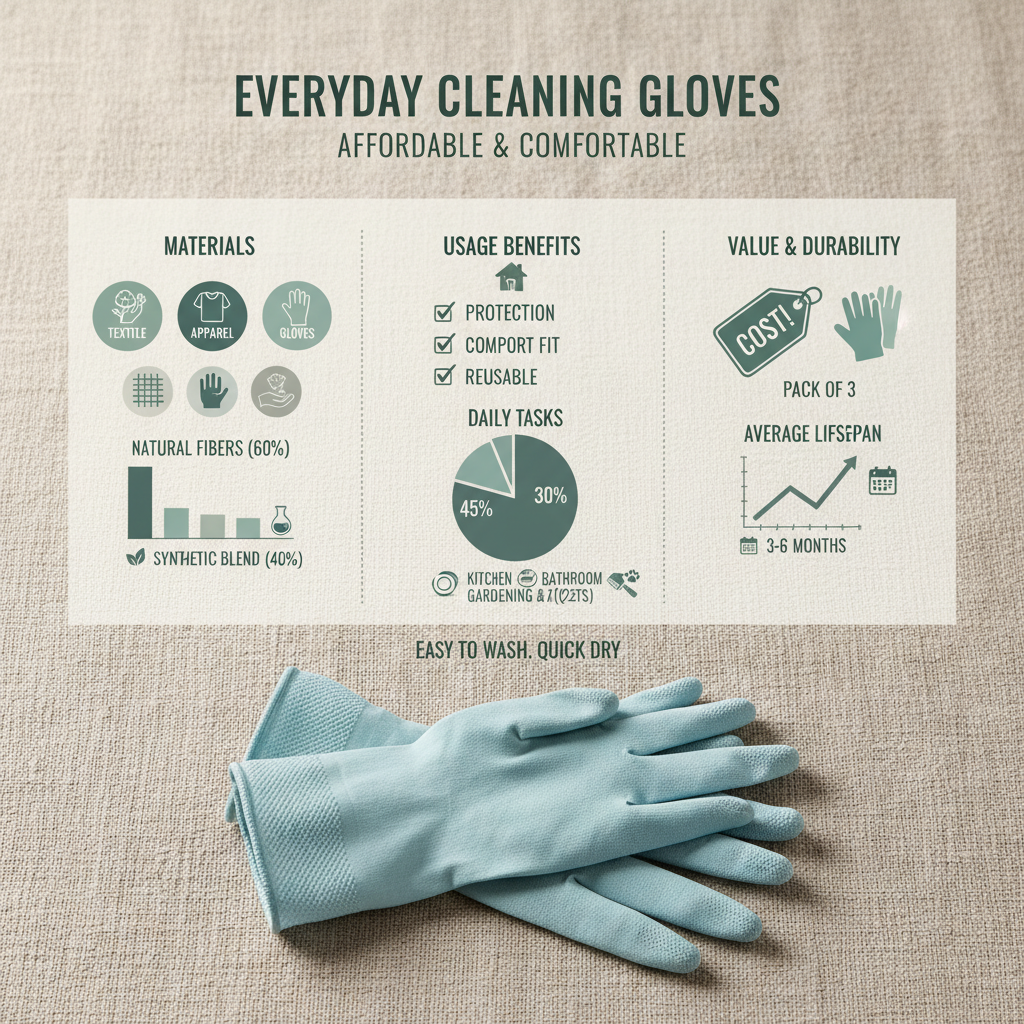
Material Composition: The type of material used significantly impacts the glove's performance, cost, and environmental impact. Vinyl gloves are generally the cheapest but offer lower puncture resistance. Nitrile gloves provide superior chemical resistance and are a popular alternative to latex, while polyethylene gloves are often used for light-duty tasks and are readily biodegradable. Selecting the right material is critical based on the intended application.
Durability & Puncture Resistance: Cheap cleaning gloves, by their nature, often compromise on durability compared to higher-end options. However, adequate puncture resistance is crucial to prevent exposure to hazardous substances. Factors like glove thickness (measured in mils) and material quality contribute to overall durability. Choosing gloves with reinforced areas or textured surfaces can improve grip and reduce the risk of tears.
Comfort & Dexterity: The comfort and dexterity provided by a glove influence worker productivity and safety. Ill-fitting or stiff gloves can cause fatigue and hinder the ability to perform tasks effectively. Features like ergonomic designs, textured fingertips, and powder-free coatings enhance comfort and improve grip, even in wet or oily conditions.
Cost-Effectiveness: The primary advantage of cheap cleaning gloves is their affordability. Organizations can purchase larger quantities of gloves within a given budget, ensuring that staff have access to fresh, clean gloves whenever needed. However, it's essential to consider the total cost of ownership, including replacement frequency and potential safety risks associated with lower-quality gloves.
Size & Fit: Proper sizing is vital for ensuring a secure and comfortable fit. Gloves that are too loose can easily slip off, while gloves that are too tight can restrict movement and cause discomfort. Offering a range of sizes is essential to accommodate diverse hand sizes and ensure optimal protection.
Compliance & Standards: Cheap cleaning gloves should meet relevant industry standards for safety and performance. These standards (e.g., EN 374 for chemical resistance) ensure that the gloves provide adequate protection against specified hazards. Compliance with regulations is crucial for maintaining workplace safety and avoiding legal liabilities.
Global Applications & Use Cases
Cheap cleaning gloves find widespread application across numerous industries and settings. In the healthcare sector, they are essential for protecting medical professionals from infectious diseases and maintaining sterile environments during patient care. In the food processing industry, they prevent contamination of food products and ensure compliance with hygiene regulations. Janitorial services rely heavily on cheap cleaning gloves for general cleaning and disinfection tasks.
In post-disaster relief operations, cheap cleaning gloves are critical for protecting volunteers and aid workers from hazardous materials and preventing the spread of disease. They are often included in emergency preparedness kits and distributed to communities affected by natural disasters. In remote industrial zones where access to specialized safety equipment is limited, they serve as a readily available and affordable protective barrier.
Organizations like hospitals, restaurants, schools, and manufacturing facilities routinely purchase large quantities of cheap cleaning gloves to maintain hygiene standards and protect their employees. The growing awareness of the importance of hand hygiene has further fueled demand for these gloves in both public and private sectors globally.
Comparative Analysis of cheap cleaning gloves Performance
Advantages & Long-Term Value
The most obvious advantage of cheap cleaning gloves is the significant cost savings they offer. This allows businesses and individuals to allocate resources to other essential areas while still maintaining adequate hygiene standards. This affordability also facilitates wider access to protective gear, particularly in resource-constrained settings.
Beyond cost, cheap cleaning gloves contribute to a more sustainable approach to hygiene by reducing the risk of cross-contamination and minimizing the spread of infections. This translates to fewer sick days, increased productivity, and lower healthcare costs in the long run. Furthermore, many manufacturers are now focusing on developing biodegradable or recyclable options, further enhancing the environmental benefits.
Future Trends & Innovations
The future of cheap cleaning gloves is likely to be shaped by several key trends. The development of more sustainable materials, such as plant-based polymers and recycled plastics, is gaining momentum. These materials offer a lower environmental footprint compared to traditional materials like PVC and latex. Innovations in manufacturing processes are also driving down production costs, making these eco-friendly options more accessible.
Digital technologies, such as smart sensors embedded within the gloves, could provide real-time data on glove integrity and contamination levels. This data could be used to optimize glove replacement schedules and improve hygiene protocols. Automation in glove manufacturing is also expected to increase efficiency and reduce labor costs, potentially leading to even lower prices for consumers.
Challenges & Solutions
One of the primary challenges associated with cheap cleaning gloves is their often-limited durability and resistance to harsh chemicals. This can lead to frequent glove replacements, increasing waste and overall costs. A solution lies in exploring composite materials that combine affordability with enhanced performance characteristics.
Another challenge is the environmental impact of disposable gloves. To address this, manufacturers are investing in biodegradable and compostable materials. Additionally, promoting proper glove disposal practices and encouraging the use of reusable gloves (where appropriate) can help minimize environmental pollution.
Ensuring consistent quality control is also crucial. Implementing rigorous testing procedures and adhering to industry standards can help maintain the safety and effectiveness of cheap cleaning gloves, even at lower price points. Transparent sourcing and ethical manufacturing practices are also essential for building trust and ensuring responsible production.
Summary of Challenges and Solutions for Cheap Cleaning Gloves
| Challenge |
Impact |
Potential Solution |
Implementation Cost (1-10) |
| Low Durability |
Frequent Replacements, Increased Waste |
Composite Materials with Enhanced Strength |
6 |
| Environmental Impact |
Plastic Pollution, Non-Biodegradable Waste |
Biodegradable/Compostable Materials |
7 |
| Chemical Resistance |
Skin Irritation, Limited Protection |
Nitrile Coating, Specialized Polymers |
5 |
| Quality Control |
Inconsistent Performance, Safety Risks |
Rigorous Testing & Certification |
4 |
| Supply Chain Disruptions |
Price Volatility, Limited Availability |
Diversified Sourcing, Regional Production |
8 |
| Lack of Awareness |
Improper Usage, Incorrect Disposal |
Educational Campaigns, Clear Labeling |
3 |
FAQS
Cheap cleaning gloves are most commonly made from vinyl, polyethylene, or nitrile. Vinyl is the most affordable but least durable, offering limited chemical resistance. Polyethylene is lightweight and often used for food handling, while nitrile provides better protection and is a good latex alternative. The material dictates the glove’s strength, flexibility, and resistance to various substances. Choosing the right material depends on the task and potential hazards.
The frequency of replacement depends on usage and exposure to hazards. If a glove is torn, punctured, or shows signs of degradation, it should be replaced immediately. Even without visible damage, gloves should be changed regularly, especially when handling potentially contaminated materials. For general cleaning, replacing gloves after each use is recommended. For higher-risk tasks, more frequent changes are necessary to maintain optimal protection.
While some cheap cleaning gloves may meet basic hygiene standards, they are generally not recommended for medical use requiring a higher level of protection. Medical-grade gloves undergo stringent testing and meet specific regulatory requirements for barrier performance. Using non-medical grade gloves in healthcare settings can compromise patient and worker safety. Always use gloves specifically certified for medical applications in those environments.
Proper disposal of used cleaning gloves is crucial to minimize environmental impact. Check local regulations for guidelines on plastic waste disposal. Many gloves are not recyclable and should be disposed of in the general waste stream. However, some manufacturers offer biodegradable or compostable gloves that can be disposed of in composting facilities. Avoid flushing gloves down the toilet, as they can clog plumbing systems and contribute to pollution.
Choosing the correct size is vital for comfort, dexterity, and protection. Measure the circumference of your hand and compare it to the glove size chart provided by the manufacturer. Gloves that are too small can restrict movement and cause discomfort, while gloves that are too large can slip off easily. It’s best to try on a sample glove if possible to ensure a snug but comfortable fit. Most suppliers offer a range of sizes to accommodate different hand sizes.
Yes, there's a growing market for eco-friendly alternatives. Gloves made from natural rubber latex (from sustainably managed plantations), biodegradable materials like cornstarch, or recycled plastics are becoming more available. While these options may be slightly more expensive, they offer a reduced environmental footprint. Look for certifications like EN 13432 to ensure compostability and proper biodegradability. Consider reusable gloves where appropriate to further reduce waste.
Conclusion
In conclusion, cheap cleaning gloves remain an indispensable tool for maintaining hygiene and safety across diverse sectors. Their affordability, coupled with ongoing innovations in materials and manufacturing, ensures their continued relevance in a world increasingly focused on preventative health measures. Understanding the various types of gloves, their strengths and limitations, and proper usage guidelines is crucial for maximizing their effectiveness and minimizing risks.
Looking ahead, the future of cheap cleaning gloves will be driven by a growing emphasis on sustainability, technological advancements, and a commitment to responsible manufacturing practices. By embracing eco-friendly materials, improving quality control, and promoting proper disposal methods, we can unlock the full potential of these essential tools while minimizing their environmental impact. For quality cheap cleaning gloves, visit our website: www.hmdglove.com