

To be honest, the whole industry is obsessed with lightweighting these days. Everyone’s chasing that holy grail of ‘stronger, lighter, cheaper’. Sounds simple, right? It isn't. I’ve spent the last ten years crawling around construction sites, and let me tell you, “lightweight” often translates to “breaks if you look at it funny.”
Have you noticed everyone’s moving to composites? Carbon fiber, fiberglass… all the fancy stuff. It's good, don't get me wrong, but there's a learning curve. Engineers design these things in a lab, thinking about tensile strength and yield points, but they don’t always account for Bob, the electrician, dropping his wrench on it.
And the smell… Oh, the smell when you cut some of these new composites! It’s…distinctive. Like burning plastic and regret.

The Current Landscape of gloves manufacturing company
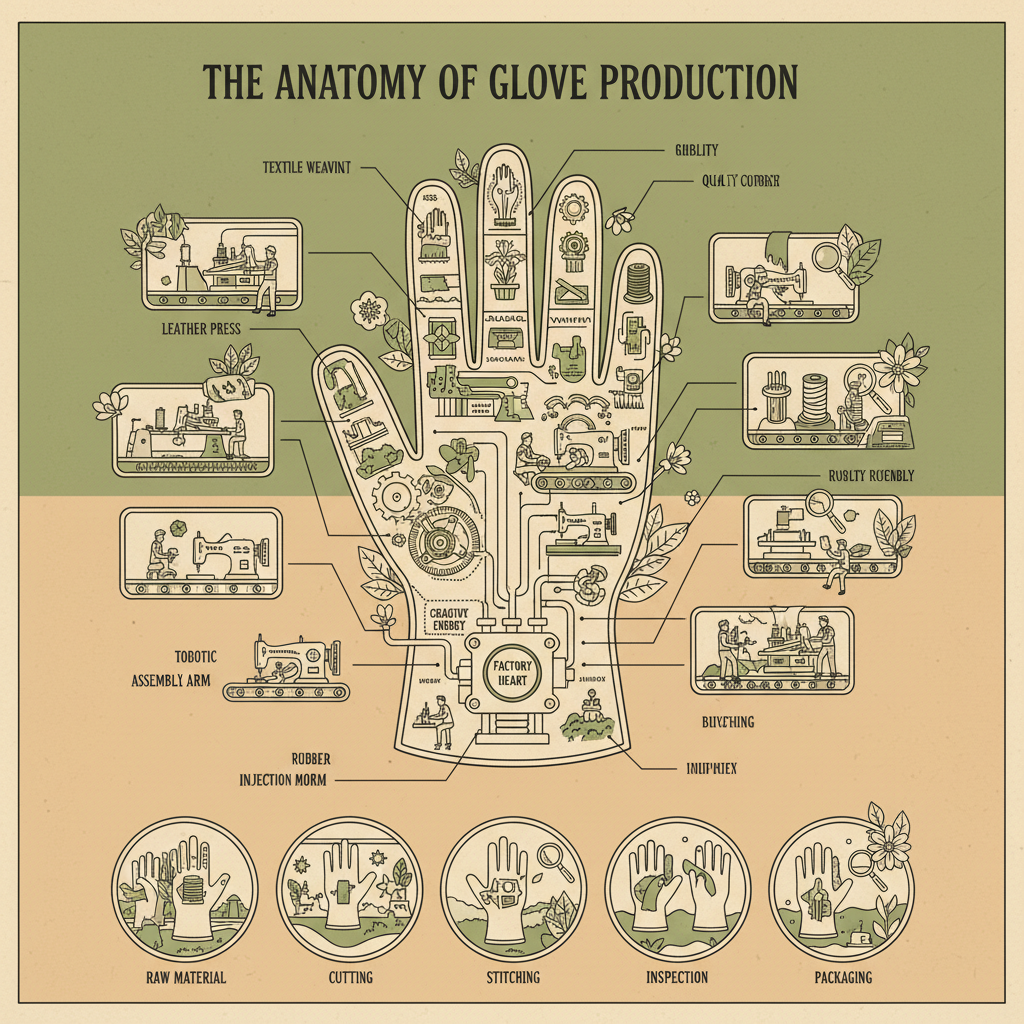
Anyway, I think the biggest trend right now is modularity. Everyone wants things they can snap together, reconfigure on the fly. It makes sense for pre-fab construction, definitely. It’s also driven by the labor shortage. If you can get three guys to assemble something instead of needing ten skilled tradespeople, that’s a win. But it also means more connections, more potential failure points…
You see a lot of that in the industrial glove space too. People are asking for gloves that can handle a wider range of tasks, so manufacturers are trying to build 'universal' gloves. Never a good idea, in my experience. Jack of all trades, master of none. You end up with a glove that’s okay at everything, but great at nothing. And when your fingers get crushed because the grip isn't good enough, "okay" isn't cutting it.
FAQS
That’s the million-dollar question. It depends. Really. You gotta think about the hazards involved—cuts, abrasions, chemicals, heat, electricity. Then you gotta consider the dexterity needed. Can the worker still manipulate small parts? Comfort is important too, because if the gloves are uncomfortable, people won’t wear them. And, of course, budget. You can get great gloves, but they're not always cheap.
Measure their hands! Seriously, don’t guess. Use a glove sizing chart and measure around the palm. But remember, sizing can vary between manufacturers. It’s always better to order a few different sizes to make sure everyone gets a good fit. Too big, and they’ll lose dexterity. Too small, and they’ll get blisters.
Depends on the glove and the use. A cheap disposable nitrile glove? Maybe a few hours. A good leather work glove? With proper care, a year or more. But honestly, most workers just wear them until they fall apart. It’s a good idea to have a regular glove replacement program to ensure people are always using gloves in good condition.
Very important! Especially with leather gloves. You gotta keep them oiled and conditioned to prevent them from drying out and cracking. Nitrile gloves can be wiped down with a damp cloth. But don’t put them in the washing machine! And if a glove is contaminated with chemicals, dispose of it properly. Don't try to wash it off.
Absolutely. You need to consult the SDS (Safety Data Sheet) for the hazardous material and choose a glove that's specifically rated for that chemical. Nitrile is good for a lot of things, but it's not good for everything. Butyl rubber is better for certain solvents. Don’t take chances with hazardous materials.
More sustainable materials, for sure. People are looking for alternatives to latex and nitrile that are less harmful to the environment. Also, more integrated technologies—sensors built into the gloves to monitor things like pressure and temperature. And, of course, more customization. People want gloves that are tailored to their specific needs.
Conclusion
Ultimately, the gloves manufacturing company world is a lot more complicated than it looks. It’s about balancing protection, dexterity, comfort, and cost. It’s about understanding the hazards involved and choosing the right glove for the job. It’s about remembering that people are going to use these gloves in ways you never anticipated.
But ultimately, whether this thing works or not, the worker will know the moment he tightens the screw. And if he’s comfortable, protected, and can actually feel what he’s doing, that’s a good sign. Check out gloves manufacturing company for more information.




Robert Thompson
If you are interested in our products, you can choose to leave your information here, and we will be in touch with you shortly.


