You know, things are moving fast these days. Everyone's talking about modular designs and prefabrication – basically, trying to build more stuff off-site. It’s supposed to speed things up, cut down on waste…sounds good on paper, right? But honestly, I’ve seen plenty of these “fast” solutions end up being more trouble than they’re worth because of some seemingly small detail overlooked in the design phase.
Have you noticed how everyone's obsessed with lightweight materials? Carbon fiber, composites, all that jazz. Don't get me wrong, they're good for certain things, but on a real construction site, you need something that can take a beating. Something that won't shatter if a guy accidentally drops a wrench on it. I encountered this at a factory in Tianjin last time, they were using a new composite for scaffolding, looked great, felt light… but the workers were terrified of it cracking.
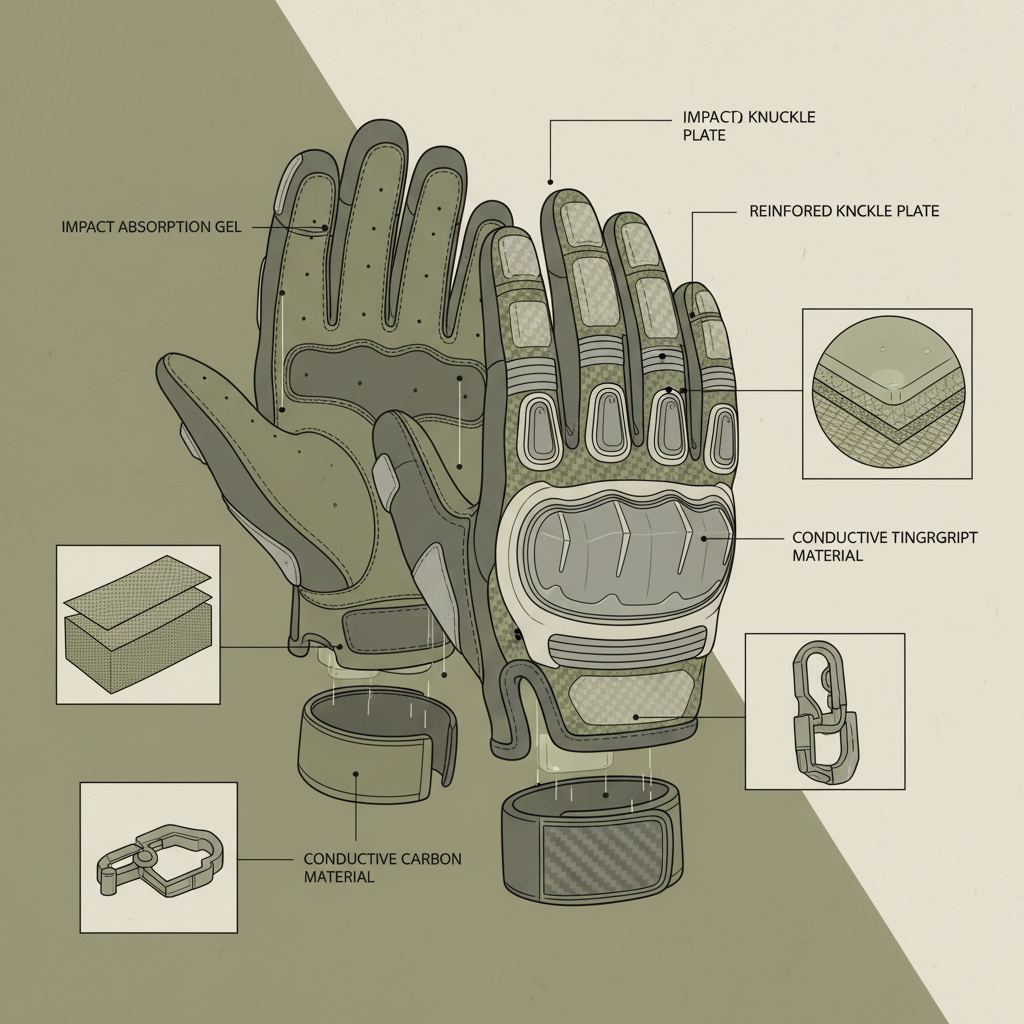
And the gloves… bodyguard gloves manufacturer, that's what we’re talking about, right? It's not just about the material, though that’s a big part of it. We’re using a mix now – a durable synthetic leather palm for grip, reinforced with a layer of high-density polyethylene. Smells a bit like plastic when you first open the box, but it fades. Feels good though, not too stiff, not too flimsy. You want that flexibility, especially when you're working with small parts or handling cables.
The Current Trends in Bodyguard Gloves Manufacturer
To be honest, the biggest trend I'm seeing is a push for more specialized gloves. It’s not enough to just have a "work glove" anymore. Everyone wants something tailored for their specific task – impact resistance for assembly line workers, cut resistance for glass handlers, high dexterity for electronics technicians.
And of course, there's the whole sustainability angle. People are starting to ask where the materials come from, how they're made, and whether they can be recycled. It’s a good question, though honestly, finding truly sustainable materials that can also hold up to the rigors of a construction site is…challenging.
Design Pitfalls in Bodyguard Gloves Manufacturer
Strangely, one of the biggest mistakes I see is designers focusing too much on aesthetics and not enough on practicality. They’ll come up with a glove that looks great in the catalog, but it’s got seams in all the wrong places, or the wrist closure is fiddly and hard to adjust.
Another common issue is sizing. People’s hands are all different shapes and sizes, and a “one-size-fits-all” approach just doesn’t cut it. You need to offer a wide range of sizes, and the sizing needs to be accurate. I’ve seen guys try to work with gloves that are too big or too small, and it's just a recipe for blisters and frustration.
And don't even get me started on touchscreen compatibility. They advertise gloves with "touchscreen functionality", but half the time you can't actually swipe your phone without taking the glove off. It's a gimmick, mostly.
Material Deep Dive: What Makes a Good Bodyguard Glove?
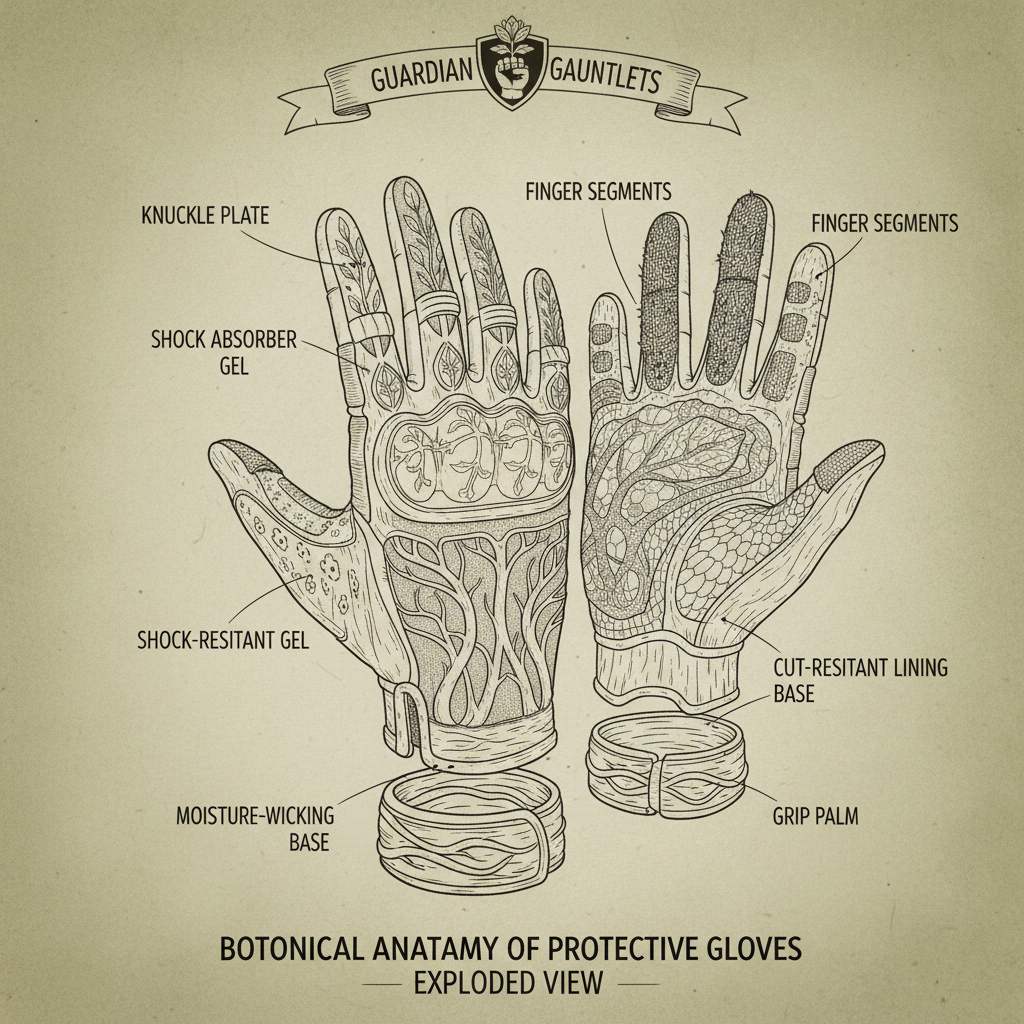
Now, when it comes to materials, it's a balancing act. You want something durable, comfortable, and protective. The synthetic leather we use for the palms is pretty good – it's abrasion-resistant, offers good grip, and doesn't absorb as much moisture as real leather. But it can get hot and sweaty after a long day, no question.
The back of the hand is usually a breathable fabric, like nylon or polyester. Sometimes we'll add a layer of Spandex for stretch and flexibility. And of course, you need reinforcement in key areas – knuckles, fingertips, and the palm. That’s where the high-density polyethylene comes in. It’s lightweight but tough.
I remember visiting a supplier a while back, and they were showing me this new “miracle” material – some kind of bio-based polymer. Smelled like flowers, felt nice and soft... but it failed every single durability test. Turned out it just couldn't handle the heat and abrasion of a real worksite.
Real-World Testing of Bodyguard Gloves Manufacturer
Forget the lab tests. Those are useful for getting a baseline, but they don't tell you how a glove will actually perform in the real world. We test our gloves on construction sites, in factories, in auto repair shops – anywhere someone might actually use them.
We have workers wear the gloves for a full shift and then give us feedback. What did they like? What did they dislike? What broke? What wore out? We also subject the gloves to simulated wear and tear – rubbing them against concrete, exposing them to different chemicals, hammering with them, you name it.
Bodyguard Gloves Manufacturer Performance Metrics
How Workers Actually Use Bodyguard Gloves Manufacturer
This is the part designers often get wrong. They think workers will use the gloves a certain way, but then you go on site and see something completely different. For example, we had a client who wanted gloves with a really long cuff to provide extra protection. Sounded good in theory, but the workers kept rolling them down because they got in the way.
Another thing I've noticed is that guys often use their gloves for things they're not supposed to – wiping their faces, cleaning tools, even opening cans of paint. They treat them like a second skin. So, you need to make sure the materials are durable enough to withstand that kind of abuse.
Advantages and Disadvantages of Bodyguard Gloves Manufacturer
Okay, let’s be real. The good stuff is obvious – protection, grip, comfort. A good pair of bodyguard gloves manufacturer can save you a lot of pain and suffering. And a happy worker is a productive worker, right?
But there are downsides too. They can get hot and sweaty, they can restrict your dexterity, and they can wear out over time. And let’s be honest, they're not cheap. But you get what you pay for, usually. Trying to save a few bucks on gloves is a false economy. Anyway, I think finding the right balance between protection, comfort, and cost is the key.
Customization Options for Bodyguard Gloves Manufacturer
We offer a fair bit of customization, actually. Color, size ranges, logo placement – the usual stuff. But we can also tweak the materials, add extra reinforcement in specific areas, and even change the wrist closure.
Last month, a small boss in Shenzhen who makes smart home devices insisted on changing the interface to …for the glove closure! Said it was “more futuristic.” It was a total pain to implement, and honestly, it didn't make any practical difference, but he was adamant. It’s that kind of demand that keeps things interesting.
We’ve also done a run where we integrated RFID tags into the gloves for tool tracking on a big infrastructure project. That was a bit more useful, actually.
Summary of Bodyguard Gloves Manufacturer Customization Options
| Customization Type |
Complexity Level |
Cost Impact |
Typical Lead Time |
| Logo Printing |
Low |
Minimal |
1-2 Weeks |
| Color Variation |
Medium |
Moderate |
2-4 Weeks |
| Size Range Adjustment |
Medium |
Moderate |
3-5 Weeks |
| Material Upgrade |
High |
Significant |
4-6 Weeks |
| Reinforcement Placement |
High |
Significant |
5-8 Weeks |
| Integrated Technology (RFID) |
Very High |
Very Significant |
6-10 Weeks |
FAQS
That depends heavily on the task, honestly. Light-duty work, a year maybe. But on a construction site, or in a factory where they're getting constant abrasion, you're looking at a few months at best. We recommend replacing them as soon as you notice any significant wear and tear – a small hole can quickly become a big problem.
Don’t throw them in the washing machine! That’ll destroy them. Just wipe them down with a damp cloth after each use, and let them air dry. For tougher stains, you can use a mild detergent, but avoid harsh chemicals. Storing them in a cool, dry place will also help prolong their life.
It varies depending on the specific materials. Most of our gloves offer good resistance to common oils and solvents, but prolonged exposure can still cause degradation. We offer specialized gloves with enhanced chemical resistance for particularly harsh environments – you'll find the specifics in the product data sheets.
We offer sizes ranging from Small to XXL. The best way to choose the right size is to measure your hand circumference and compare it to our sizing chart, which you can find on our website. It’s better to err on the side of slightly too tight than too loose, as a snug fit provides better dexterity and protection.
Absolutely! We offer logo printing services. The cost and lead time will depend on the size and complexity of the logo, as well as the quantity ordered. Contact our sales team for a quote.
Yes, many of our gloves are certified to meet various safety standards, including EN 388 for abrasion resistance, cut resistance, and tear resistance. You’ll find the specific certifications listed on each product page. We're constantly updating our products to meet the latest safety regulations.
Conclusion
So, yeah, bodyguard gloves manufacturer. It’s not the most glamorous part of the construction industry, but it’s a crucial one. From the materials we use to the testing we conduct, everything is focused on keeping workers safe and productive. We've seen trends come and go, designers make mistakes, and customers ask for the impossible.
Ultimately, whether this thing works or not, the worker will know the moment he tightens the screw. That’s why we don’t cut corners, and why we’re always striving to improve our products. If you’re looking for a reliable partner for your glove needs, visit our website at bodyguard gloves manufacturer.