Safe hand gloves manufacturers play a crucial role in protecting workers across numerous industries, from healthcare and manufacturing to construction and food processing. The global demand for these gloves is consistently high, driven by increasing safety regulations, heightened awareness of workplace hazards, and the growing need to prevent occupational injuries and illnesses. Understanding the intricacies of safe hand gloves manufacturing – including material science, quality control, and regulatory compliance – is paramount for ensuring worker well-being and minimizing business disruptions. A reliable safe hand gloves manufacturer is therefore a vital partner for any organization prioritizing safety.
The economic impact of hand injuries is substantial, encompassing direct medical costs, lost productivity, and workers' compensation claims. Investing in high-quality, appropriately certified hand protection from a reputable safe hand gloves manufacturer offers a significant return on investment by reducing these costs and improving overall operational efficiency. Furthermore, advancements in glove technology are leading to increased comfort, dexterity, and protection levels, empowering workers to perform their tasks more effectively and safely.
As global supply chains become more complex, selecting a dependable and responsive safe hand gloves manufacturer is critical. This requires careful consideration of factors such as manufacturing capacity, quality assurance procedures, and the ability to customize gloves to specific application requirements. The commitment to innovation and sustainability also differentiates leading manufacturers in this sector.

Introduction to safe hand gloves manufacturer
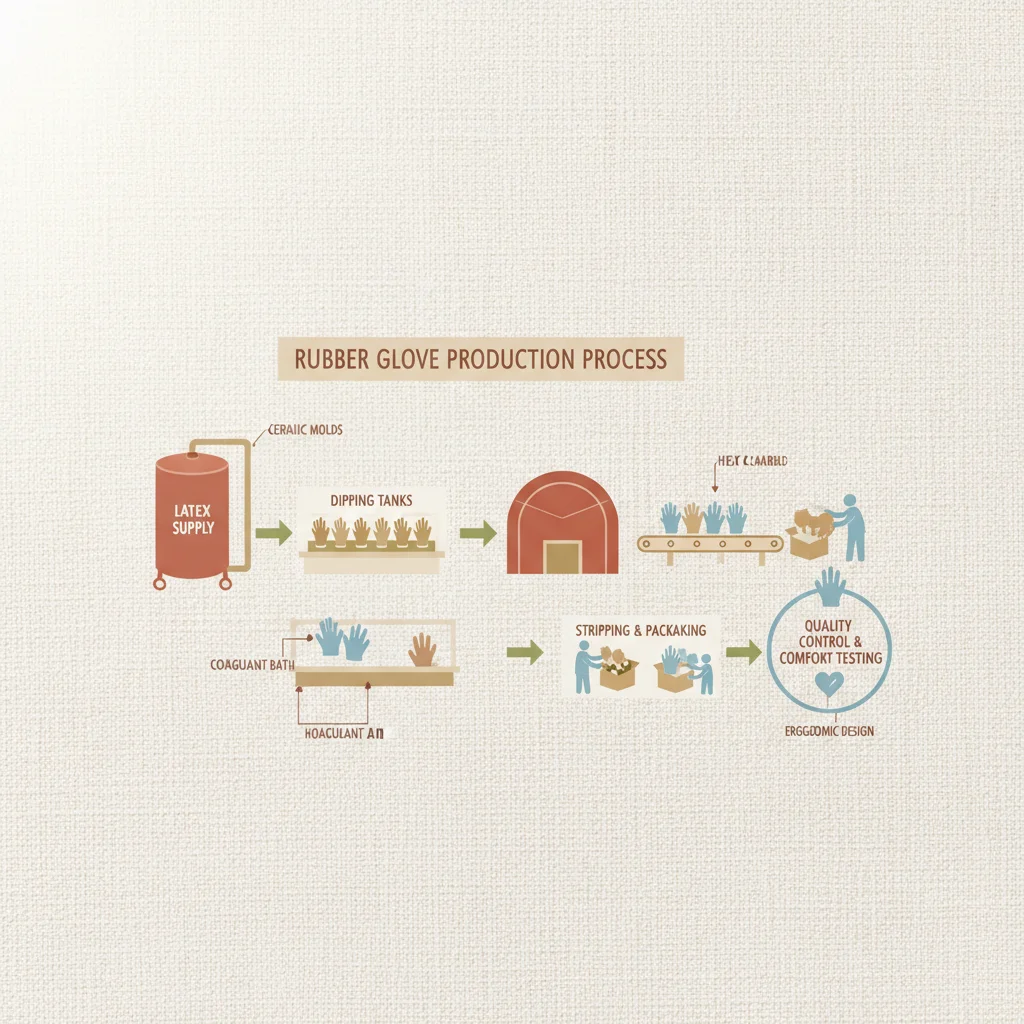
The core of a proficient safe hand gloves manufacturer lies in their meticulous attention to detail throughout the entire production process. From sourcing high-quality raw materials to implementing rigorous testing protocols, every step is designed to ensure the gloves meet or exceed industry standards. This dedication extends to understanding the diverse needs of different sectors, offering specialized gloves tailored to specific hazards.
Modern safe hand gloves manufacturing isn’t simply about producing a barrier; it’s about engineering a solution. It encompasses factors like ergonomic design, breathability, and tactile sensitivity, allowing workers to perform tasks comfortably and efficiently without compromising protection. A leading safe hand gloves manufacturer actively invests in research and development to constantly improve glove performance and address emerging workplace challenges.
Global Relevance and Industry Context
Globally, the demand for safe hand gloves is projected to continue its upward trajectory, fueled by growing industrialization in developing nations and increasingly stringent safety regulations worldwide. Organizations like the International Organization for Standardization (ISO) and the European Union (EU) establish standards that safe hand gloves manufacturers must adhere to, ensuring a consistent level of quality and protection. According to the World Health Organization (WHO), hand injuries are among the most common occupational hazards, highlighting the critical importance of effective hand protection.
The industry faces several challenges, including the need to balance cost with performance, address concerns about sustainability, and respond to evolving threats like new chemical exposures and biological hazards. Leading manufacturers are proactively tackling these challenges through innovation in materials, manufacturing processes, and waste reduction strategies. Competition is fierce, with manufacturers from Asia, Europe, and North America vying for market share.
The COVID-19 pandemic significantly amplified the demand for safe hand gloves, particularly in healthcare settings, illustrating the essential role these products play in protecting frontline workers and preventing the spread of infectious diseases. This surge in demand also exposed vulnerabilities in global supply chains, prompting many organizations to diversify their sourcing and prioritize local manufacturing capabilities.
Defining safe hand gloves manufacturer
A safe hand gloves manufacturer is an organization dedicated to the design, production, and distribution of hand protection solutions engineered to mitigate risks in a wide range of work environments. These manufacturers employ various materials – including latex, nitrile, PVC, and specialized synthetic blends – and utilize diverse construction techniques to create gloves that offer resistance to punctures, cuts, abrasions, chemicals, heat, and other hazards.
Beyond simply providing a physical barrier, a reputable manufacturer focuses on creating gloves that enhance worker productivity and comfort. This involves careful consideration of factors such as dexterity, grip, and breathability. Compliance with relevant safety standards (e.g., EN 388, ANSI/ISEA 105) is a fundamental aspect of their operations, guaranteeing that the gloves offer the level of protection claimed.
The connection to modern industry and humanitarian needs is profound. In healthcare, gloves prevent the transmission of infections; in manufacturing, they protect against machinery hazards; in disaster relief, they safeguard responders from contamination. A robust and reliable safe hand gloves manufacturer is an integral component of a comprehensive safety program across diverse sectors.
Key Factors in safe hand gloves manufacturer
Durability is paramount. Gloves must withstand the rigors of daily use without tearing or degrading prematurely. Material selection, seam strength, and abrasion resistance all contribute to a glove’s longevity. Scalability refers to a manufacturer’s ability to meet fluctuating demand and accommodate large orders without compromising quality or delivery times. Effective supply chain management and robust production capacity are essential.
Cost efficiency doesn’t necessarily mean sacrificing quality. A skilled manufacturer optimizes their processes to minimize waste, leverage economies of scale, and offer competitive pricing. Certifications and rigorous quality control are important indicators of value. Customization capabilities are also critical. Different applications require different glove specifications, and a versatile manufacturer can adapt to unique needs. Finally, Regulatory Compliance ensures adherence to industry standards and legal requirements, protecting both workers and the manufacturer from liability.
safe hand gloves manufacturer Performance Metrics
Global Applications and Use Cases
Safe hand gloves manufactured by reputable companies like safe hand gloves manufacturer are indispensable in healthcare facilities, protecting medical professionals from infectious agents and hazardous materials. In the automotive industry, they safeguard workers from cuts, abrasions, and chemical exposure during assembly and maintenance processes. Construction workers rely on durable gloves to prevent injuries from sharp objects, concrete, and power tools.
In post-disaster relief operations, gloves are essential for protecting responders from debris, contaminated water, and biological hazards. The food processing industry utilizes specialized gloves to maintain hygiene and prevent contamination during handling and packaging. Even in seemingly low-risk environments like office settings, gloves can provide protection during cleaning and maintenance tasks.
Across these diverse applications, a common thread is the need for reliable hand protection tailored to the specific risks present. Manufacturers often collaborate with industry experts to develop gloves that meet these unique requirements. Regions with significant manufacturing bases, such as China, Vietnam, and India, are major consumers of safe hand gloves, while developed countries like the United States and Germany prioritize high-performance gloves for specialized applications.
Advantages and Long-Term Value
The primary advantage of investing in quality safe hand gloves from a reliable safe hand gloves manufacturer is a significant reduction in workplace injuries and associated costs. This translates to fewer workers' compensation claims, decreased medical expenses, and improved employee morale. From a sustainability perspective, durable gloves reduce waste and the need for frequent replacements.
The long-term value extends beyond cost savings. Providing workers with comfortable and effective hand protection demonstrates a commitment to their well-being, fostering a culture of safety and enhancing employee loyalty. This, in turn, can lead to increased productivity and improved operational efficiency. Building trust with employees through the provision of superior safety equipment is an invaluable asset.
Future Trends and Innovations
The future of safe hand gloves manufacturing is likely to be shaped by several key trends, including the development of new materials with enhanced performance characteristics, such as self-healing polymers and biodegradable composites. The integration of smart technologies, such as embedded sensors that monitor glove integrity and provide real-time feedback, is also on the horizon.
Automation and robotics are playing an increasingly important role in glove manufacturing, improving efficiency and reducing costs. Sustainability will continue to be a major focus, with manufacturers exploring ways to reduce their environmental impact through the use of recycled materials and eco-friendly production processes. Digital transformation will also enable better supply chain management and improved customer service.
Challenges and Solutions
One common challenge faced by safe hand gloves manufacturers is maintaining consistent quality across large production volumes. Implementing robust quality control systems, including regular inspections and testing, is crucial. Another challenge is addressing the diverse needs of different industries and applications, requiring manufacturers to offer a wide range of glove styles and materials.
Supply chain disruptions can also pose a significant challenge, particularly in times of global uncertainty. Diversifying sourcing and building strategic partnerships can help mitigate these risks. Finally, staying ahead of evolving safety regulations and standards requires continuous investment in research and development. Innovative solutions include using AI-powered quality control, developing customizable glove designs, and adopting circular economy principles to minimize waste.
Table Summarizing Key Challenges and Solutions in safe hand gloves manufacturer:
Summary of Safe Hand Gloves Manufacturer Challenges & Solutions
| Challenge Area |
Description |
Potential Solution |
Implementation Difficulty (1-10) |
| Quality Control |
Maintaining consistent glove quality during mass production. |
Automated inspection systems, rigorous testing protocols. |
7 |
| Customization |
Meeting the diverse needs of various industries and applications. |
Modular glove designs, rapid prototyping capabilities. |
6 |
| Supply Chain |
Disruptions affecting raw material availability and delivery times. |
Diversified sourcing, strategic partnerships, inventory management. |
8 |
| Regulatory Compliance |
Staying updated with evolving safety standards and regulations. |
Dedicated regulatory affairs team, continuous training programs. |
5 |
| Sustainability |
Reducing environmental impact through materials and processes. |
Recycled materials, biodegradable polymers, eco-friendly manufacturing. |
7 |
| Cost Management |
Balancing quality with affordability in a competitive market. |
Process optimization, economies of scale, waste reduction. |
6 |
FAQS
Common materials include latex, nitrile, PVC, neoprene, and various synthetic blends. Nitrile is particularly popular due to its excellent chemical resistance and durability, making it a preferred choice in industries handling hazardous substances. The selection of material depends heavily on the specific application and the hazards involved. A reputable safe hand gloves manufacturer will offer a range of materials to meet diverse needs.
Correct glove sizing is critical for both protection and comfort. Gloves that are too large can compromise dexterity and increase the risk of slippage, while gloves that are too small can restrict movement and cause fatigue. Manufacturers typically provide sizing charts based on hand length and width. Measuring your hand accurately and consulting the manufacturer’s sizing guide is essential. Several safe hand gloves manufacturer provide detailed instructions on their websites.
Key certifications include EN 388 (European standard for mechanical protection), ANSI/ISEA 105 (American National Standard for hand protection), and ISO 9001 (quality management system). These certifications demonstrate that the gloves have been tested and meet specific performance requirements. Ensure the gloves are certified for the specific hazards present in your workplace. A reliable safe hand gloves manufacturer will clearly display these certifications on their product packaging.
The replacement frequency depends on the type of glove, the level of exposure to hazards, and the frequency of use. Gloves should be replaced immediately if they are punctured, torn, or exhibit signs of degradation. Even if undamaged, gloves should be replaced regularly based on the manufacturer’s recommendations. Frequent inspection and a proactive replacement schedule are essential for maintaining optimal safety.
Yes, an increasing number of safe hand gloves manufacturers are offering eco-friendly options, such as gloves made from recycled materials or biodegradable polymers. These options help reduce environmental impact without compromising safety. Look for gloves certified by reputable sustainability organizations. Choosing sustainable gloves demonstrates a commitment to environmental responsibility.
Many safe hand gloves manufacturers offer customization options, such as different sizes, colors, coatings, and features. This allows you to tailor the gloves to your specific application and ensure optimal performance and comfort. Customization can be particularly beneficial for large organizations with unique needs.
Conclusion
In conclusion, selecting the right safe hand gloves and partnering with a reliable safe hand gloves manufacturer is not merely a compliance issue, but a fundamental investment in worker safety, productivity, and long-term business success. Understanding the key factors that influence glove performance – from material science and durability to regulatory compliance and customization – is crucial for making informed decisions.
Looking ahead, continued innovation in materials, manufacturing processes, and smart technologies will further enhance the effectiveness and sustainability of safe hand gloves. Prioritizing worker well-being through the provision of high-quality hand protection fosters a culture of safety, improves employee morale, and ultimately contributes to a more resilient and responsible workplace. Visit our website at www.hmdglove.com to learn more about our comprehensive range of safe hand gloves and customized solutions.