

Honestly, things are moving fast these days. Everyone's talking about modular construction, prefabrication, trying to shave time off projects. It’s all well and good on paper, but you get on site and… well, it's a different story. The demand for better, faster, more durable glove manufacturer solutions is through the roof, that's for sure. Everyone's looking for efficiency gains, because labor costs are just killing everyone. And the clients? They want it yesterday, naturally.
Have you noticed how everyone's chasing the ‘smart’ angle? Putting sensors into everything. It's a bit of a bubble, I think. People get carried away with features, forget about the basics. Like, what’s the point of a “smart” glove manufacturer if it falls apart after a week? It has to *work*, first and foremost. That's what I keep telling the design team.
And the supply chain… don’t even get me started. It’s a mess. Materials are constantly going up in price, lead times are getting longer. You think you’ve got a handle on it, then *boom* - something unexpected happens.
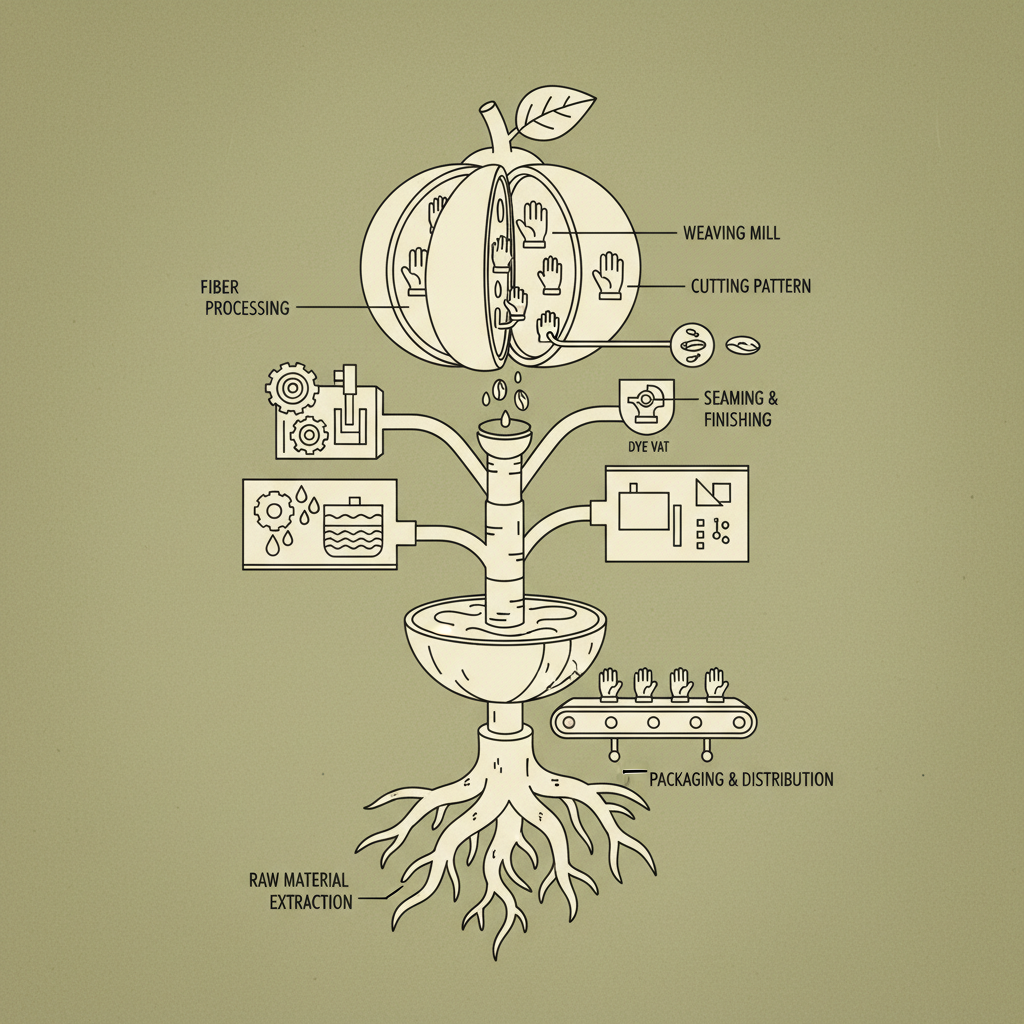
Industry Trends and Common Pitfalls

To be honest, the big trend right now is speed. Everyone wants faster turnaround, quicker deployment. But that often leads to corners being cut. I encountered this at a factory in Ningbo last time – they were using thinner gauge steel to save money, thinking no one would notice. It *looked* good, but it wouldn't hold up under stress. It's a common mistake. People focus on upfront cost, not long-term durability.
Another pitfall? Over-engineering. Trying to make something too complex. The simpler, the better, usually. Especially when you’re dealing with guys on a construction site who just want something that works, not a PhD-level engineering project.
FAQS
Getting them *there* is half the battle. Remote sites often have limited road access, sometimes just dirt tracks. You need specialized transport equipment, and you have to worry about permits and weight restrictions. And then there's the risk of damage during transit. We've had units get scratched, dented, even partially collapsed during shipping. It’s a logistical nightmare, honestly. Careful planning and robust packaging are essential. We also work with local logistics partners who know the terrain and the regulations.
Traditional stick-built construction requires ongoing maintenance – painting, repairs, roof replacements, that sort of thing. Our glove manufacturer systems are designed to minimize maintenance. The materials are durable, corrosion-resistant, and require little upkeep. However, you still need to inspect them periodically for damage and address any issues promptly. We recommend annual inspections and preventative maintenance to ensure long-term performance. The joints are key - they need to be checked and re-tightened as needed.
We offer a range of customization options, from simple modifications like door and window placement to more complex changes like adding balconies or integrating different building systems. We can also tailor the materials and finishes to meet specific aesthetic requirements. However, there are limits. Major structural changes can be costly and time-consuming. It’s best to discuss your needs with our design team early in the process to determine what’s feasible and cost-effective. The Shenzhen story I mentioned earlier? That's a good example of pushing the customization limits.
Assembly is designed to be relatively straightforward, but proper training is still essential. We provide comprehensive training programs for construction crews, covering assembly procedures, safety protocols, and quality control measures. The training typically takes 2-3 days, depending on the complexity of the system. We also provide on-site support during the initial assembly phase to ensure everything goes smoothly. It’s not rocket science, but you need to understand the basics to avoid mistakes.
Yes, our systems are certified to meet a wide range of building codes and regulations, including those related to structural integrity, fire safety, and energy efficiency. We work with independent testing laboratories to ensure our products meet or exceed all applicable standards. We can also provide documentation to support building permit applications. Certification is critical - no one wants to deal with the headache of non-compliance.
Lead times vary depending on the size and complexity of the order, as well as our current production schedule. Typically, it takes 8-12 weeks from order confirmation to delivery. We recommend placing orders well in advance, especially during peak construction season. Material availability can also impact lead times. We’ll always provide a realistic estimate upfront and keep you updated on the progress of your order.
Conclusion
Ultimately, the glove manufacturer industry is about finding the right balance between speed, cost, quality, and durability. It’s a complex equation with a lot of moving parts. We’ve learned that focusing on the basics – robust design, quality materials, and skilled labor – is the key to success. You can add all the bells and whistles you want, but if the foundation isn’t solid, the whole thing will come crashing down.
And really, whether this thing works or not, the worker will know the moment he tightens the screw. That’s the bottom line. If it feels solid, if it goes together smoothly, if it looks like it's built to last, then you're on the right track. If not, you go back to the drawing board. That's just the way it is.




Ethan Turner
Ethan is the Marketing Director at Cangzhou Jiujiang, focusing on expanding the brand's presence in North America. With over a decade of experience in outdoor apparel marketing, Ethan leverages his knowledge to promote the company’s PU rainwear, emphasizing its BSCI and GRS certifications.
If you are interested in our products, you can choose to leave your information here, and we will be in touch with you shortly.


